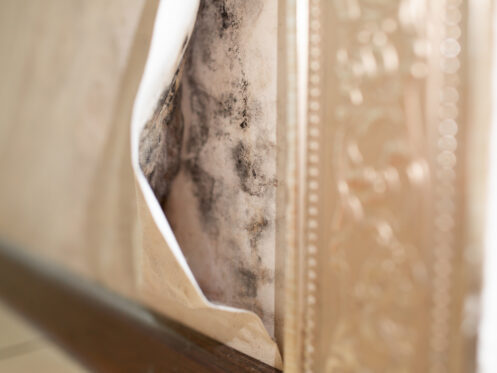
Water intrusion can be a serious problem that causes substantial damage to Florida homes. While the initial damage can be bad enough, it’s the potential aftereffects, such as mold growth, that complicate the problem. Mold growth can begin within 24 to 48 hours, especially when humidity is high. Taking steps to prevent water damage after a storm can save you time, money, and stress.
Create a Pre-Storm Checklist
When you have several tasks to do to prepare for storm season, it can be easy to forget some. Create a checklist so you can tick each item off as you complete it. You’ll also be able to see how many you have left to finish.
Do a Self-Inspection
Walk through your home and evaluate your property. Write down any potential problem areas. For example, take note of any cracks in your foundation, holes in siding, and trees leaning over your roof. These are only a few of the issues that may initially seem minor but can result in water damage. When you complete your self-inspection, you can plan for the next steps.
Prepare Emergency Supplies
Having emergency supplies on hand can reduce your risk of water damage and minimize it if it occurs. For example, invest in high-quality water barriers that you can put around your home, especially at the entrances. Make sure to also stock up on sandbags to place in more compact areas.
Buy plastic tarps and waterproof tape that you can use to cover windows if they break. To help minimize damage from water intrusion, buy buckets, mops, and a wet/dry vacuum. Instead of throwing out old blankets and rags, keep them in case you must use them to sop up water. Additional items to have on hand include flashlights, power banks, batteries, bottled water, and a first aid kit. Put all these items in an easily accessible and safe area, such as a linen closet or utility closet.
Avoid buying these items at the last minute. Many other people will have the same idea, resulting in long lines and limited stock. Purchasing them in advance ensures you’re ready for the next storm and fully prepared with all the necessities.
Clean Gutters and Downspouts
Your gutters should sufficiently direct water off your roof, while downspouts guide it away from your Florida home. When this system gets clogged by nests, leaves, branches, and other debris, it can’t do its job effectively. Water on your roof could back up underneath the roofing material or start pooling near your home. It may also end up inside your house, especially if you have cracks or holes in your foundation.
Remove all the debris from your gutters and downspouts periodically, but especially prior to a storm. This allows water to flow freely through the system and away from your house. Experts can also install gutter guards to help prevent debris from accumulating in the first place.
This is a task you can leave to the professionals. In addition to clearing debris and installing gutter guards, experts can assess your gutter and downspout system for damage. They’ll check for cracks, dents, and other issues that could affect performance.
Schedule a Roof Inspection
If your roof has missing shingles or other problems, it’s at a higher risk for further damage and corresponding water intrusion during a storm. Book a roofing inspection so a professional roofer can evaluate. They’ll check everything from the roofing material to the flashing and inform you if there are any vulnerabilities. Have damage sealed now before a storm hits.
Book a Plumbing Inspection
Schedule an appointment for a plumbing inspection in early spring. This check will include many aspects of your system, including your backflow prevention device if you have one, which is crucial for protecting your potable water supply. A plumber will also assess your sump pump to make sure it’s in proper working order and ready to protect your home from flooding.
Consult With a Landscaper and Arborist
Your yard and its landscaping significantly influence the possibility of water intrusion. A landscaper can assess your greenery, hardscaping, and grading to determine if there are any beneficial changes you can make. An arborist will evaluate your trees and their health, including determining if any are at risk of falling over during storm-force winds. Additionally, they’ll assess any heavy branches that are hanging over or near your roof. A strong gust of wind could cause weak branches to fall onto your roof, potentially puncturing it, which could result in water intrusion.
Schedule Prompt Professional Repairs
If any professionals discover problems during their inspection or maintenance appointments, don’t delay scheduling repairs. Many homeowners book these appointments during spring. Reserving a time earlier offers more date and time opportunities. Additionally, you can have peace of mind that you checked everything off your list, including much-needed repairs. Taking preventive steps now can help you get your home ready to withstand upcoming storms.
Install Smart Water Detection Systems
Many homeowners install smart water leak detection devices under their sinks and near water-using appliances. However, you can also put them in other areas of your home, such as in your basement or crawlspace. If they detect water, they’ll alert you by sending a notification to your smartphone or sounding an audible alert. These devices are ideal for many areas of your home, but they’re especially helpful in ones you rarely frequent. They allow you to monitor your residence, even if you’re not nearby, and take prompt action if there’s water intrusion.
Take Pre-Season Pictures and Video
Unfortunately, water damage may occur despite your best efforts. If this happens, you will need to submit information to your insurance carrier(s). Take pictures and videos of your home before storm season starts to show everything was in good condition. Don’t forget to capture water damage prevention systems and devices that you have set up, such as a sump pump and smart water leak detectors. This serves as proof to the insurance carriers that you took measures to prevent the water intrusion from happening. If you complete any inspections and repairs, save that paperwork as well. In addition to the hard copies, digitize the information. You can email it to yourself so you have it on file, and it’s easily accessible.
Start Early
Avoid waiting until the last minute to start protecting your home from storm water damage. This includes stocking up on supplies, scheduling appointments, and addressing repairs. The Atlantic hurricane season runs from June 1 through November 30. Starting your tasks in early spring ensures you have plenty of preparation time to get everything done. This is especially important if there’s a chance of storms arriving earlier than expected.
If water ends up invading your home during a storm, taking prompt action is crucial. iMold in Fort Myers, Sarasota, Cape Coral, and Naples, FL, offers water leak detection and mold cleaning and restoration services to minimize the damage. Call today to schedule an appointment or message us through our website.