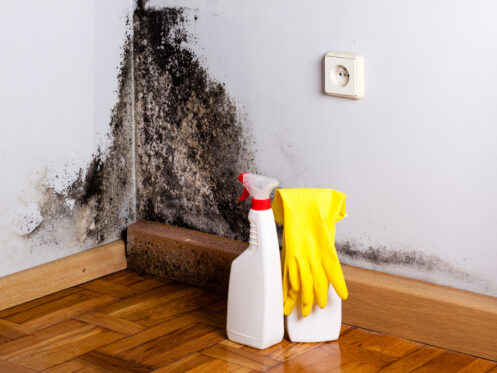
Mold is one of those health and structural hazards that sometimes persist despite thorough cleaning and disinfection routines. The reason behind this is that mold doesn’t just settle on surfaces. It penetrates deep into porous materials, leading to long-term issues with moisture control and air quality. Fortunately, with the right approach, it is possible to eliminate this stubborn problem for good.
How Does Mold Form and Spread?
There are microscopic spores constantly floating through the air. When these spores find the right environment (damp surfaces), they grow and form mold as they feed on organic materials. And once the growth starts to spread, it releases more spores back into the air, contributing to recurring infestations. Simply cleaning the mold off the walls and surfaces isn’t going to get rid of the problem.
How Mold Affects Different Building Materials
Not all materials react to mold in the same way. Some are particularly vulnerable to moisture, which worsens damage by allowing the mold to spread more quickly.
Drywall
Drywall has a porous structure that gives mold a perfect food source by trapping moisture and organic dust particles. When the mold spreads and seeps through paint and wallpaper, you might see dark spots or discoloration. Certain parts of the walls may become incredibly soft and even crumble. To fix mold growth on drywall, it’s usually best to cut out and replace the damaged sections. Getting the affected area replaced with mold-resistant drywall is a great way to prevent future outbreaks.
Wood
For mold, wood presents a prime opportunity to feed and spread. You may see it growing on wood framing, trim and other structural components. If your home experiences a water leak, the infestation may become significantly worse and spread more rapidly. Sealing the wood is an easy way to help reduce mold problems.
Insulation
Your insulation has the specific job of helping with temperature regulation, but it can also trap moisture. And once it becomes damp, there’s no good way to dry it out completely without replacing it. This is because wet insulation never fully regains its original effectiveness. Instead, it loses its ability to retain heat and prevent condensation, which only exacerbates the moisture problem.
Carpet and Padding
Carpeting is an excellent way to give your feet cozy underfooting year-round. However, the padding that lies underneath can absorb moisture and retain it for extended periods. The damp, dark environment it creates is a significant breeding ground for microbial growth. You may be able to deep-clean the surface-level carpet to remove mold, but it probably won’t help much if the mold spreads through the padding or subfloor.
Ceiling Tiles
Ceiling tiles made of mineral fiber are particularly vulnerable to the effects of mold. This material is highly porous, allowing moisture and spores to accumulate, leading to contaminant buildup. Trying to clean the ceiling tiles won’t do much. You’ll need to replace them entirely to eliminate the mold and prevent regrowth fully.
What Accelerates Mold Damage?
Several factors influence a home’s likelihood of developing mold. Understanding these conditions is crucial for selecting preventive measures that prevent microbial infestations.
High Humidity Levels Year-Round
Living in Cape Coral, FL means you’re right along the coast. This location intensifies humidity problems by drawing moisture from the warm water and salt-laden air. As the home’s building materials absorb and retain that moisture, you may notice mold on walls, ceilings, furniture or flooring. Using a whole-home dehumidifier provides an easy way to ensure the entire house has optimal humidity at all times.
When shopping for a whole-home dehumidifier, look for these features to help with mold growth colonies:
- Continuous drainage option
- Built-in hygrometer
- Low-temperature operation
- Automatic defrost cycle
- Maintenance alerts
Poor Indoor Ventilation
Any time ventilation points have a blockage or damage, it prevents humidity from going outside the house. As the moist air settles on walls and ceilings and soaks in through porous materials, it dramatically increases the risk of mold. Dust buildup, blocked vents and damaged fans are the leading causes of ventilation issues.
Here are the many ventilation points in your home that must be clear to reduce mold problems:
- Bathroom exhaust fans
- Kitchen range hood
- Dryer vent
- Attic vents
- Soffit vents
- Roof vents or ridge vents
- Crawl space or foundation vents
- HVAC system vents and returns
- Utility room vents
Frequent Rain and Storm Flooding
Cape Coral is situated in a part of Florida that is well-known for its frequent thunderstorms and hurricanes. The excess moisture that dumps into the air from these weather events worsens indoor humidity and mold growth. Even minor flooding leaves behind moisture that seeps into drywall, carpet and subflooring. Drying the materials within a day or two is critical to avoiding mold problems. In some cases, you may need professional water restoration to remove trapped moisture and prevent long-term structural damage.
Warm Temperatures That Promote Growth
You may think mold needs extreme temperatures to thrive, but that’s false. Its ideal breeding grounds are in areas with temperatures between 77 degrees and 86 degrees Fahrenheit, which happens to match the average range found in Florida homes. As the warmer air speeds up the growth cycle of mold, it can quickly spread without you realizing it. You may not be able to control the temperature and humidity outside, but you can inside the home with the right thermostat.
Ways to use a smart thermostat to prevent mold growth:
- Set optimal humidity levels
- Use automatic scheduling features
- Connect thermostat to dehumidifier
- Monitor humidity through app
- Enable continuous air circulation
- Receive moisture level alerts
- Integrate with smart sensors
Leaky Plumbing
Plumbing leaks are a huge contributor to mold issues. As the water spreads and seeps into wood and drywall, it eventually creates the perfect environment for mold to develop. Leaks behind walls or under flooring can go unnoticed for months on end. Scheduling annual plumbing inspections is an effective way to address leaks in their earliest stages. By fixing damaged pipes and upgrading old fixtures, there’s a much lower risk of mold growth.
Making Changes to Prevent Mold Damage
Getting rid of mold for good is not a one-time project. It requires continual effort on your part to create living spaces that are resistant to moisture problems year-round. Here’s how you can do that:
- Keep humidity below 50%
- Use exhaust fans daily
- Fix leaks immediately
- Clean and inspect vents
- Maintain HVAC filters regularly
- Use a smart thermostat
- Seal cracks and gaps
- Ensure proper attic ventilation
- Dry wet areas quickly
- Schedule annual home inspections
iMold is here to answer any questions you have about keeping your home protected against mold. We offer mold inspections, water leak detection, structural drying, flooring restoration and more. We’re your all-in-one shop for maintaining a home that is healthy and safe. Call iMold now to schedule a mold inspection for your home in Cape Coral.