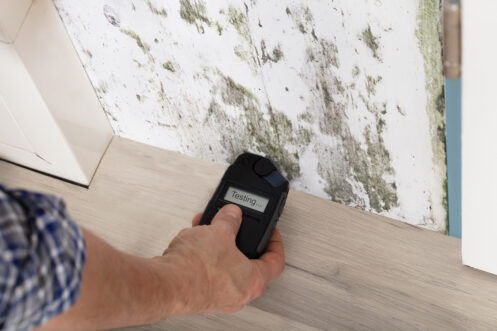
Living in Cape Coral, FL has lots of perks: sunshine, coastal breezes and plenty of outdoor activities. But it also comes with a few drawbacks, with year-round high humidity being one of the most problematic. Excess moisture in the air is a huge contributor to mold growth problems at home.
If you’re looking for a way to get rid of mold, there’s good news: There are lots of DIY methods to choose from. But you must be extra careful with these cleaning solutions since improper use can create harmful fumes or surface damage. Keep reading to learn all about the best mold removal approaches and top safety precautions.
White Vinegar
White vinegar is one of the best natural mold cleaners thanks to its mild acidity. It can easily break down mold spores and disinfect contaminated surfaces when used strategically. What’s even better is that it can kill mold without releasing harsh fumes, making it safe for both people and pets. Many homeowners use this approach to get rid of mold on bathroom tiles, shower walls and kitchen surfaces.
- Pour undiluted vinegar in spray bottle
- Apply to affected areas
- Let sit for one hour
- Scrub with brush or sponge
- Rinse or wipe clean with water
Baking Soda
If you want a method that also helps with deodorizing musty smells, baking soda is a good option. This gentle powder is perfect for porous materials because of its absorbent and non-toxic properties. You can clean grout, wood trim and other delicate surfaces that can’t handle strong chemicals.
- Mix one teaspoon baking soda, two cups water
- Shake in spray bottle
- Spray on mold areas
- Scrub with brush
- Rinse and light mist
Hydrogen Peroxide
Hydrogen peroxide is safe to use on almost any household surface, including walls, floors and bathroom fixtures. Don’t use it on fabrics since it can leave behind a light bleach stain. Its antifungal and antibacterial properties make it especially useful for killing mold at the source and sanitizing affected areas.
- 3% hydrogen peroxide solution
- Pour into spray bottle
- Apply to visible mold
- Let bubble for 10 minutes
- Scrub and wipe clean
Lemon Juice
Lemon juice might not be the first thing that comes to mind when you want to remove mold. But the truth is, its high acidity cuts right through mold buildup while also leaving behind a pleasant citrus scent. Even though it’s not as potent as vinegar or hydrogen peroxide, it works perfectly for cleaning light mold growth and naturally disinfecting surfaces.
- Apply directly to mold spots
- Let soak for several minutes
- Scrub with damp cloth
- Rinse and wipe the surface dry
Tea Tree Oil
Tea tree oil is another powerful cleaning agent for mold because of its antifungal properties. Even better, you don’t have to mess with wiping or cleaning it off after you spray it. It works wonderfully for cleaning mold off window sills, baseboards and other tight areas where moisture tends to linger.
- One teaspoon tea tree oil, one cup water
- Mix in spray bottle
- Apply to affected surfaces
- Do not rinse
- Let dry to prevent regrowth
Borax Solution
If you want a naturally occurring mineral that doubles as a mold killer and disinfectant, you need to use borax on your walls, floors and hard surfaces that accumulate lots of moisture. These problem areas are usually located in parts of the home like bathrooms and basements, where humidity levels stay high.
- One cup borax, one gallon hot water
- Apply with sponge or cloth
- Scrub thoroughly
- Wipe excess moisture
- Leave thin layer to prevent regrowth
Potential Safety Hazards of Cleaning Products and Chemicals
All of the cleaning agents we mentioned above are safe to use for DIY mold removal, but you must handle all products with caution. Before you start, make sure to understand the potential risks that come with mixing or overusing certain cleaning agents. Even natural solutions can be hazardous if not used properly. Here are the most common safety hazards and how to avoid them.
Mixing Bleach and Vinegar
Don’t ever mix bleach with vinegar—doing so can produce a toxic chlorine gas. If you inhale or come into contact with it, it can cause burning eyes, coughing and even respiratory distress.
Mixing Bleach and Ammonia
Mixing bleach with ammonia is just as harmful. It creates a chloramine vapor that is especially dangerous to the lungs. Trying to get rid of mold with this mixture may cause breathing problems as you inhale the fumes.
Overuse of Bleach in Small Spaces
Bleach is a great cleaning agent for mold when used safely. But using too much in a small or confined area may cause you to experience headaches or dizziness. To keep this from happening, make sure to open windows and run fans every time you clean with bleach.
Skin Contact With Strong Chemicals
The dilution process for any type of cleaning agent is paramount to your safety. Undiluted agents have immense strength in them that can irritate your skin, leading to rashes, burns or allergenic reactions. Wearing gloves and proper eyewear is key to protecting your hands and eyes.
Improper Chemical Storage
All cleaning agents need appropriate chemical storage. This means storing them in tightly sealed containers and out of direct sunlight. Always label the bottles so that everyone in the home knows what’s inside. Place all containers in a cabinet that is out of reach of pets and children. Improper storage is a leading cause of accidental spills and poisonings.
Lack of Ventilation While Cleaning
Anytime you clean, whether it’s for mold removal or general disinfection, the area needs to have adequate ventilation. You don’t want any of the fumes or vapors to build up because they might irritate your lungs and cause dizziness.
- Open windows and doors
- Use exhaust fans nearby
- Run portable fan outward
- Turn on ceiling fans
- Take outdoor air breaks
- Keep vents unblocked
Leaving Moisture Behind After Cleaning
When you leave moisture behind after cleaning, it increases the risk of mold growth. Any leftover dampness creates ideal breeding grounds for mold spores. To avoid this common mistake, simply make sure to dry every surface thoroughly after you get finished cleaning. Towels, microfiber cloths and portable fans work great for removing moisture quickly. The only cleaning agent that you don’t have to worry about rinsing or drying is tea tree oil. You simply spray it on and let it air dry.
Getting Professional Mold Removal Help
DIY cleaning methods do an excellent job at getting rid of minor mold growth. But when it comes to severe infestations and hidden moisture damage, you’ll need a more powerful cleaning method. And in most cases, this requires getting professional help.
Our trained staff here at iMold has many years of experience helping homeowners in Cape Coral with mold removal. Our process for mold removal includes using commercial-grade dehumidifiers and filtration systems to eliminate moisture and purify the air. These advanced tools go beyond household cleaning methods to stop mold in its tracks and prevent it from coming back.
Tackle the Mold Now
If you are ready to tackle the mold problem in your home or business with professional removal methods, you’re in the right place. iMold offers mold inspections and mold remediation for both residential and commercial spaces. We can even help with vehicle mold removal. We’re a one-stop shop for helping you create cleaner, healthier and mold-free environments.
Call iMold today to learn all about professional mold remediation in Cape Coral.