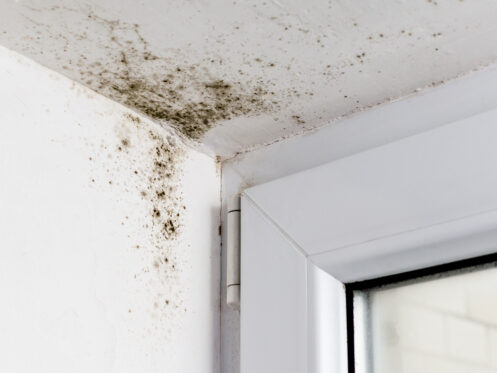
Mold growth inside your house is a serious concern due to the impact it can have on indoor air quality and your overall health. When mold spores encounter a moist, warm environment, they quickly start reproducing and cause mold to grow in that area. The mold then starts sending out more and more spores that circulate through the house, resulting in an infestation.
Under the right conditions, mold growth can happen within 24 to 48 hours. With enough moisture, the mold can then spread and create a major infestation that requires professional mold remediation. In this article, we’ll explore which parts of a house you’re most likely to encounter mold in and what steps you can take to prevent and overcome mold issues in your home.
1. Attic
Attics have one of the highest risks of mold growth, especially if they aren’t sufficiently ventilated or the roof is damaged. It can get extremely hot in an attic during the summer. Warm, moist air from activities like cooking, bathing, and running the dishwasher and washing machine also rises and seeps into the attic. The attic and roof vents are designed to allow all of this hot, humid air to escape and ensure that air constantly flows through the attic. Without sufficient ventilation, heat and moisture get trapped within the attic. This can lead to the air becoming so hot and humid that water vapor condenses on cooler surfaces, creating the moist environment that mold needs to begin growing.
Roof damage is an even bigger concern in terms of mold growth in the attic. If the roof has even a small leak, the water can quickly lead to mold growing on the trusses and any insulation that gets wet. Regular roof inspections are crucial for identifying leaks and areas of concern that could lead to mold growth within the attic.
2. Crawl Space
The dirt floor in a crawl space can sometimes get water during heavy rains due to water seeping up through the concrete foundation. Many crawl spaces aren’t adequately ventilated, which can also lead to hot, overly humid conditions that create the potential for mold growth. Having a sump pump in the crawl space reduces the chances of flooding that could lead to mold growth. Encapsulating your crawl space creates a waterproof barrier around the foundation walls and floors that further reduces the chances of moisture and mold issues.
3. Bathrooms
If any of the pipes that supply water to the toilet, faucet, shower, or tub start leaking, mold will quickly start growing within the wall and colonizing all of the water-logged building materials. Leaky drain pipes can lead to mold growth underneath the flooring. Another issue is that bathrooms are frequently hot and steamy as a result of people showering and bathing. The condensation that then forms on various surfaces also creates the risk of mold growing. This is why you should make sure to run the exhaust fan during and after bathing to get rid of the heat and steam, or open the window if you don’t have an exhaust fan.
4. Utility Room
Laundry and utility rooms can experience mold growth because of an issue like the washing machine or water heater leaking. A leaking water heater is an especially serious concern. When a water heater tank is so rusted and corroded that it begins leaking, there’s a high chance of it rupturing and flooding the entire area. If you don’t immediately take the proper steps to remove any water-logged building materials and other items and then start drying everything out, you’ll quickly start to encounter a serious mold infestation.
5. Basement
Plumbing leaks are among the biggest concerns when it comes to mold growth in the basement. The pipes that supply all of the plumbing fixtures upstairs run along your basement’s walls and ceiling, meaning any leaks create a high potential for mold growth. Heavy rains and clogged gutters can allow water to get inside the basement, adding to the potential risk.
6. Kitchen
Major mold issues in the kitchen are less common, but they can occur if one of the pipes for the kitchen sink leaks inside the wall. Another thing you need to be concerned about is a small leak underneath the dishwasher or refrigerator. This type of leak can go unnoticed for some time until it eventually leads to the flooring in the surrounding area warping or lifting away from the subfloor. When you pull the appliance out to check, you can encounter mold growth on the floor and along the base of the wall. If the drywall gets too wet, mold can also grow within the wall.
7. HVAC System and Ductwork
Mold can also grow in an HVAC system and inside or outside of air ducts. The moisture that naturally condenses on the evaporator coil when the AC is running can lead to mold growth on the coil. The moisture then drips down into the drain pan and flows out through a series of condensate drain pipes, creating the potential for mold and algae in the pan and pipes.
In humid conditions, condensation often forms on supply ducts and causes them to “sweat.” This is especially common if you have uninsulated ducts in the attic, crawl space, or basement where there’s a major difference between the temperature of the air flowing through the ducts and the air surrounding them.
How to Prevent and Overcome Mold Issues in the Home
Mold prevention is mostly just about being diligent and taking steps to identify potential problems and areas of concern. This includes things like regularly inspecting for plumbing leaks and signs of water damage, ensuring your roof is in good condition and not leaking, and routinely testing your sump pump to make sure it works when you need it. It’s also important to take steps to ensure your home is never too humid.
If you notice visible mold growth or musty odors that point to hidden mold growth, professional mold testing and remediation are a must. Mold remediation is a complex process and not something you can effectively do on your own. It can also be harmful to your health if you don’t take the proper safety precautions.
To identify mold issues and find hidden mold growth, professionals typically perform both air testing and surface testing. If they suspect mold within a wall or ceiling, they can drill or cut a small hole in the drywall to check inside. The next step is to identify and eliminate the source of moisture. To properly eliminate mold problems, it’s necessary to remove moldy, water-logged items like drywall and insulation that can’t be saved. Using fans and dehumidifiers to quickly start drying everything out helps prevent the mold from spreading. It’s also necessary to seal off the air and use air scrubbers and fans to vent the mold-contaminated air outside. The last step is to clean and disinfect the area to eliminate all of the mold and to thoroughly clean and decontaminate the HVAC system and air ducts.
iMold is Southwest Florida’s leading provider of professional mold remediation and water damage restoration services. We’ve been using our expertise to help home and business owners overcome mold issues for nearly 30 years. With immediate response and 24/7 availability, we’re ready to assist the moment a problem arises. To schedule a mold test or get help overcoming issues with leaks and water damage, contact iMold today.