Dark growth on a wall is unsettling, and the first impulse is to wipe it off. That impulse is the problem. If you want to know how to remove black mold safely, start with the water, not the stain. A wipe can look like progress while the colony stays in the drywall and spores move into the next room.
Safe removal is a decision, not a shopping list. You need to know where the moisture came from, what the growth is sitting on, and whether the area can be kept closed while it is cleaned. If any answer is unclear, stop. Ask someone who does this work every week to take a look.
Our team handles that first look as a no-cost visual mold inspection across Southwest Florida. The crew checks visible growth and the moisture behind it, then explains whether the spot can be cleaned or needs a contained removal. Call (877) 771-1699 for 24/7 emergency service.
How to Remove Black Mold Without Spreading It
Color is a poor guide. Plenty of molds look black, and a lab is the only way to name a species. What matters in the house is simpler. Growth on a wet material will keep returning until the water stops, and disturbing it sends particles into the air you are breathing.
The U.S. Environmental Protection Agency says who should clean mold depends on three things. Those are the size of the problem, how much water damage there is, and whether the heating and cooling system is involved. Its home cleanup page also says porous materials such as ceiling tile and carpet may have to be thrown away. Mold can fill spaces that a wipe cannot reach. Read the EPA mold cleanup guidance before you open a bottle of anything.
For a Southwest Florida house, treat three checks as the whole job:
- Find the moisture. A roof leak, a sweating AC line, a slow supply line, or storm water left in a wall are different problems with the same stain.
- Name the material. Hard, nonporous surfaces can often be washed. Drywall paper, insulation, carpet pad, and bare wood usually cannot.
- Keep the area closed. If you cannot separate the work from the rest of the house, do not start it.
Skip the cleanup and book the inspection if the dark area is larger than a small patch. Do the same if water sat in the wall. Do the same if anyone in the home has asthma or another breathing problem. Our firm is a State Certified Mold Remediator (MRSR2170) and a State Certified General Contractor (CGC1540205). The same company can look at the growth and, when needed, the rebuild that follows.
Find the Moisture Before You Touch the Growth
Mold is a symptom. The stain on the paint is the part you can see. The part that keeps the colony alive is usually a few inches away. That might be a damp stud, a wet pad, or an AC closet that never quite dries in a Florida summer.
Walk the spot before you clean it. Look above and below the stain, not just at it. A ceiling mark often traces to a roof or an upstairs bath. A baseboard mark often traces to a supply line, a slab leak, or water that wicked up after a storm. A musty closet can be an AC drain that has been overflowing for weeks.
Useful first steps, none of which involve scrubbing:
- Stop the water if you can do it without opening the wall. Shut the angle stop, set a bucket under a drip, or note the roof area for a later repair.
- Do not run the air handler if you see growth on or near the unit, the closet, or a return. Moving that air can carry particles through the house.
- Leave wet drywall, insulation, and carpet pad in place until someone maps the moisture. Pulling a piece “to look” is how a small spot becomes a hallway problem.
- Write down what you saw and when. Photos of the stain, the nearby plumbing, and any standing water help the inspection and, later, the carrier.
Southwest Florida adds its own pattern. Afternoon storms, long cooling seasons, and humid outdoor air keep materials wet longer than they would in a dry climate. After a named storm, the same wall can hold water for days even when the floor looks dry. If the house took on flood water, start with flood damage restoration rather than a mold wipe. Sewage or other dirty water is a different job. It is not a homeowner cleanup.
Our water team can dry the source before anyone talks about removal. That order matters. Cleaning a stain while the AC closet is still dripping only schedules a second visit. If you are not sure whether the water is still active, that is exactly what the no-cost visual inspection is for.
Which Materials Can Be Cleaned, and Which Should Come Out
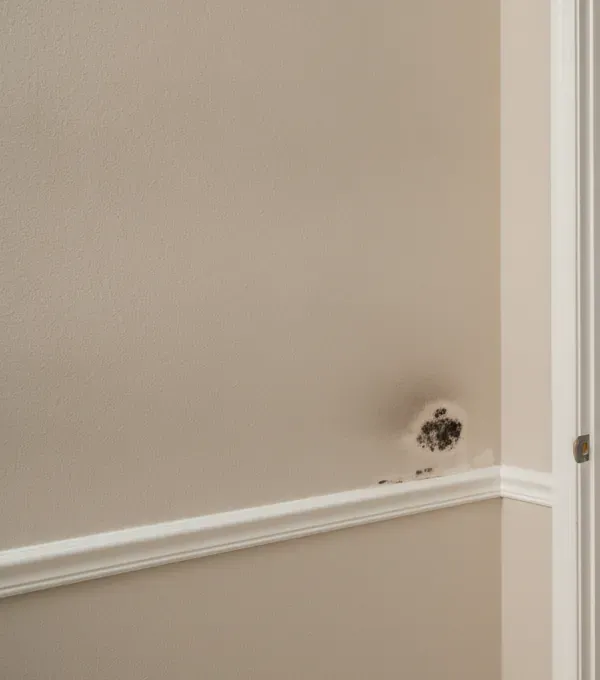
The material decides the method. A hard surface that does not absorb water can be washed and dried. A porous material holds growth inside it. Scrubbing the face does not reach that growth, and it does put spores in the air.
| Material | What usually happens | Why a wipe fails |
|---|---|---|
| Tile, glass, metal, and sealed countertops. | Wash with detergent and water, then dry fully. | This works only if the moisture source is already fixed. |
| Painted drywall with a small surface spot. | Check the paper and the damp gypsum, not just the paint. | Growth behind the paper stays wet and returns. |
| Ceiling tile, insulation, carpet, and carpet pad. | Remove and bag these if they are moldy. | The material is full of spaces a cloth cannot clean. |
| Bare wood framing. | Clean it only after it is dried and the extent is known. | Sanding or scraping spreads dust through the room. |
| Contents, furniture, and soft goods. | Sort them for cleaning or disposal. | A family heirloom needs a contents plan, not a spray. |
The EPA’s practical line is the right one for a bathroom that keeps spotting: increase ventilation and clean more often, and do not paint or caulk over mold. Paint on a moldy surface peels, and the colony is still there. A shower that spots again after a good cleaning is a ventilation problem. A closet that spots again is usually a leak or an AC issue, not a cleaning issue.
Drywall is the common miss in this climate. The paint looks like a hard surface. The paper on the back is not. If the wall was wet from a leak or a storm, assume the cavity needs a moisture reading before anyone cuts or scrubs. The same is true for a musty crawl space or attic: the stain you can reach is rarely the whole colony. Our notes on crawl space and attic mold cover those two hiding places without turning this page into a second process guide.
Soft contents deserve a separate decision. Drapes, sofas, and clothing can be cleaned in some cases and should be discarded in others. Our team can handle that sort-and-clean step through contents remediation so you are not guessing over a trash bag.
What to Do, and What to Leave Alone, Until Help Arrives
There is a short list of things a homeowner can do that do not make the house worse. There is a longer list of things that feel productive and are not.
You can keep people and pets out of the room, especially children and anyone who already has trouble breathing. You can run a bathroom fan or open a window in that room if it does not pull air across the growth into the rest of the house. You can set the thermostat so the space is not closed up and hotter, without running a system you suspect is contaminated. You can take photos and stop using the wet fixture.
Leave these alone:
- Bleach on drywall or wood. It lightens the stain and leaves the growth in the material. The smell also drives people to leave the room, which hides the fact that the source is still wet.
- Household vacuums and dry sweeping. They do not trap these particles, and they throw them into the air.
- Spraying and then painting the same day. The paint fails, and the next owner finds a larger repair.
- Tearing out a wall to “get ahead of the crew.” An open cavity without containment is how a closet problem becomes a living-room problem.
- Running the HVAC to “air the house out” when growth is on or near the system. If that is your situation, read what to do about mold in the HVAC after water damage and leave the system off.
If you are only trying to tell dark mold from soot or ordinary mildew, that is a different question. Our comparison of black mold versus regular mold covers appearance and why color is not a species test. This page assumes you already have growth and need the next decision.
A no-cost visual inspection is the right pause. The technician looks at what you found, checks for moisture, and tells you whether the spot is a cleaning task or a removal. You are not billed for that look, and you are not locked into a scope you have not seen.
When a Small Cleanup Is Reasonable, and When It Is Not
The EPA describes a rough size line. A moldy area under about 10 square feet is smaller than a 3-foot by 3-foot patch. That is the range many homeowners can clean if the water problem is fixed and no one has health concerns. Above that, or after a lot of water damage, use a building remediation guide. Hire someone who follows a recognized method.
Use that line as a ceiling, not a goal. A smaller patch can still be the wrong job to do yourself. That is true when any of these apply:
- The material is porous, wet inside, or you cannot see the back of it.
- The spot came back after a careful wash and a full dry.
- You smell mold but cannot find the colony. Hidden growth behind a wall is a different problem from a bathroom film.
- The water was sewage, storm surge, or anything other than a clean supply-line leak.
- Someone in the household is an infant, older, pregnant, or has asthma or a weakened immune system.
- You would have to work overhead for a long time, or inside a hot attic, without a way to keep dust in the room.
For a hard bathroom surface that stays dry after you fix the fan, a detergent wash and a full dry can be enough. Wear gloves, keep the room closed, use a damp cloth rather than a dry one, and bag the cloths when you are done. Do not mix cleaners. If the spot returns, the fan was not the real source.
Everything else in a Florida house trends toward a crew. That includes drywall after a leak, a musty AC closet, carpet that was wet, and any growth you found while checking signs of black mold in walls. Those pages tell you how to notice the problem. They do not replace the decision to stop disturbing it.
Our crews serve homeowners across Lee, Collier, Charlotte, Sarasota, and Manatee counties, with the Fort Myers team as the hub. If the house is in that area and you are unsure which side of the line you are on, call. A short inspection is cheaper than a second round of damage. The visual inspection itself is no-cost.
How a Professional Visit Decides the Scope
You do not need a lecture on equipment to make a good call. You need to know what the visit is deciding.
On a no-cost visual mold inspection, the technician confirms what is visible and looks for the moisture feeding it. You also hear which materials are likely to come out. If the findings say the area should be contained, the work moves to remediation. The room is separated, affected materials are removed or cleaned, and the area is dried. The house is put back only after the source is addressed. Independent third-party testing can be used when you want an outside reading. That keeps the result separate from the company doing the work.
That sequence is the iMold remediation process, and it is also written up as the crew steps in our process article. This guide stops at the decision to start that work. It does not walk zip poles, air scrubbers, or the rebuild. If you want the ordered job after you have decided to hire, read those pages then.
A few things worth asking on the visit:
- What is feeding the growth, and is it stopped?
- Which materials would be cleaned, and which would be removed?
- Will the work area be separated from the rest of the house?
- Who handles drying if the wall or the AC closet is still wet?
- If testing is suggested, will an outside party do it?
Homeowners often ask whether they can stay in the house. That depends on where the growth is and how the area will be separated, which is its own question. Our note on staying home during mold remediation covers it. Do not assume a yes or a no from the size of the stain alone.
Credentials are worth a glance while you are comparing help. Our firm is IICRC certified, licensed, bonded, and insured, and it holds the state mold and contractor credentials named above. The Fort Myers office is the base for work across the region, including Cape Coral, Naples, and Sarasota. You can see the local page for Fort Myers mold and water damage help if you want the city-level service list.
After the Source Is Fixed, Keep the House Dry
Removal fails when the house goes back to the same humidity. The lasting work is boring: stop the leaks, let wet materials dry all the way, and give bathrooms and closets some air.
After a cleanup or a remediation, watch the same spot for a few weeks. A return of the stain means the moisture was not finished, not that you need a stronger spray. Keep indoor humidity in a normal comfort range, and do not close an AC closet so tightly that the unit cannot dry. If a storm wets the house again, start the clock on drying the same day. Mold is much easier to prevent in the first day than to remove in the second week.
Rebuild only the materials that were actually removed, and only after they are dry. Painting a “maybe” wall traps moisture. If the repair includes drywall, flooring, or an AC closet, our team can carry that work through home and property repairs instead of handing you a second contractor. Insurance questions, including what a policy may pay, belong on our who pays for mold remediation page, not in a guess on this one. We do not quote a price here because the scope depends on the inspection.
If cost is the thing you are weighing before you call, read what it costs to remove black mold as a separate guide. It will not tell you whether your wall is safe to scrub. This page is the one that does that.
Schedule a no-cost visual mold inspection
Frequently Asked Questions
Can I remove black mold myself with bleach?
Not on drywall, wood, or any porous material. Bleach can fade the color and leave the growth in place, and the scrubbing puts particles in the air. A detergent wash is only reasonable on a small, hard surface after the water source is fixed and the area stays closed. If the stain is in a wall or it comes back, stop and schedule a no-cost visual inspection.
Does black color mean the mold is toxic?
No. Many molds look black, and you cannot name a species by sight. Treat any indoor growth as something you should not breathe in while you clean. The decision is about moisture, material, and size, not about winning an argument over the name.
What size of mold can a homeowner clean?
The EPA points to less than about 10 square feet, roughly a 3-foot by 3-foot patch. That is the range a resident might clean when the water problem is fixed and there are no health concerns. Wet walls, a contaminated air handler, or sewage push the job to a professional. A household member with breathing trouble does the same, even when the visible spot is small.
Should I test before I call someone?
A store test does not find the moisture source and does not tell you which materials to remove. A visual inspection does both. If an outside lab reading would help you or your carrier, ask for third-party testing as part of the plan rather than buying a kit first. Our guide to how to test for mold in a house explains what testing can and cannot answer.
How fast should I act in a Florida house?
As soon as you see growth or smell a damp closet. Humidity here lets a small wet area become a larger one within days, especially after a storm or an AC leak. You do not have to start demolition. You do need to stop adding water and get the area looked at. iMold answers (877) 771-1699 for that call, day or night.
Get a No-Cost Look Before You Scrub
If you are staring at a dark patch and trying to decide whether to clean it, pause there. Find the leak if you can do it safely, keep the room closed, and let a technician tell you whether the material can stay. The visual mold inspection from our team is no-cost. The same team can dry the source and handle removal when the findings call for it.
Call (877) 771-1699 or reach the team through the contact page. If you want the service behind the visit, start with professional mold removal and ask for the free inspection. We would rather look at a small spot today than open a wall that a wipe made worse.