How Our Biohazard Cleanup Process Works
- Call and confirm access. Tell us what happened and where. Until we arrive, keep children and pets away and don’t try to clean anything yourself.
- Assessment and written scope. A technician inspects visible contamination and nearby materials fluids may have reached, then gives you a written scope you can send to your insurer.
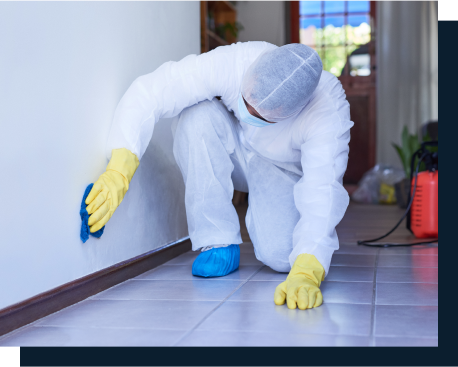
- Containment and removal. We seal off the work area and remove materials that can’t be cleaned, such as soaked carpet or drywall. Point out valuables, photos or documents early so we can set them aside.
- Cleaning, disinfection and odor removal. Remaining surfaces are cleaned and disinfected, and odors are traced to their source and eliminated rather than masked.
- Final walkthrough. We walk you through the finished space and provide a list of any remaining repairs for your contractor or adjuster, or for our rebuild team.
Biohazard Cleanup FAQs
Who cleans a home after someone dies in it?
The family or property owner hires a professional biohazard cleanup company. Police, firefighters and the medical examiner don’t perform cleanup.
When can cleanup begin?
As soon as law enforcement or the medical examiner releases the property. Small jobs take a few hours; removing flooring or drywall can extend the work to a few days.
Can my family or maintenance staff handle the cleanup?
We don’t recommend it. Contamination often goes deeper than it looks, and OSHA requires employers to provide training, protective equipment and a hepatitis B vaccination offer to anyone assigned to clean up blood.
Will insurance cover biohazard cleanup?
Many homeowner’s and landlord policies cover biohazard cleanup for specific events, though sewage backup often requires a separate endorsement. Call your insurer before cleanup starts, document the damage, and we’ll send our itemized estimate directly to your adjuster.