Throughout Southwest Florida, air conditioners work hard for most of the year to keep homes cool and comfortable. While your AC system helps reduce indoor humidity, it also creates condensation during normal operation. When that moisture builds up in the wrong places, it can create ideal conditions for mold growth. Understanding where these trouble spots develop and when to seek professional help can help you prevent larger mold issues.
How Does AC Condensation Lead to Mold Growth in Florida?
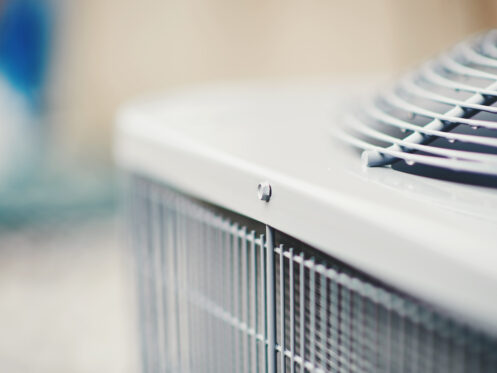
Air conditioners naturally create condensation as they remove moisture from indoor air. In Southwest Florida’s humid climate, AC systems often run for long periods, increasing the amount of moisture produced. When condensation does not drain properly or moisture accumulates, mold can begin growing.
Several common issues can contribute to AC-related moisture problems, including clogged drain lines, restricted airflow, dirty filters, and excessive indoor humidity. Florida homes are particularly vulnerable because warm outdoor air frequently comes into contact with cooler indoor surfaces, creating condensation around vents, ductwork, and insulated spaces. Even small leaks or moisture buildup near your AC system can create an environment where mold thrives.
Top Hot-Weather Trouble Spots for Mold in Your Home
Some areas of the home are more likely than others to develop mold from AC condensation and humidity. Knowing where moisture problems commonly occur can help you recognize issues earlier.
Air Ducts and HVAC Vents
Condensation can develop inside ductwork when cool air moves through warm areas of the home. Moisture inside air ducts may allow mold spores to grow and circulate throughout your home whenever the AC runs.
If you notice musty odors coming from vents or worsening indoor allergy symptoms, mold in your ducts could be to blame. Professional air duct cleaning may help remove buildup and improve air quality.
Around AC Drain Pans and Drain Lines
Your AC system relies on drain pans and condensate lines to remove excess moisture safely. When drain lines become clogged or drain pans overflow, water can collect without being immediately visible. These hidden moisture issues often go unnoticed until water stains, odors, or mold growth begin appearing inside the home.
Attics and Insulated Areas Near HVAC Systems
Attics in Fort Myers homes can become extremely hot during summer. When cool ductwork or air handlers are exposed to warm attic air, condensation may form around insulation and nearby surfaces. Poor ventilation and high humidity levels in attic spaces can make these areas especially vulnerable to mold growth.
Bathrooms, Laundry Rooms, and Closets
Enclosed areas with limited airflow can trap humidity and condensation. Bathrooms, laundry rooms, and closets often experience moisture buildup when cool indoor air meets humid air from outside or nearby plumbing fixtures. These spaces may develop mold on walls, ceilings, vents, or around stored belongings if excess moisture remains present.
What Are the Warning Signs of Mold Caused by AC Moisture?
Early detection is important when dealing with mold. Many moisture problems start in hidden areas, but certain warning signs may indicate mold growth is already developing inside the home. Be on the lookout for:
- Persistent musty odors
- Water stains or discoloration on ceilings, walls, or around vents
- Condensation forming regularly on vents or windows
- Unusually high indoor humidity levels
- Worsening allergy or respiratory symptoms indoors
- Visible mold growth around ductwork, vents, or AC components
If these signs continue or worsen, professional mold removal and remediation may be necessary to identify the source of moisture and prevent further spread.
How to Prevent Mold From AC Condensation
Preventing mold starts with controlling moisture throughout your home. While Florida humidity cannot be avoided entirely, homeowners can reduce the risk of AC-related mold problems by staying proactive. Try these methods for keeping moisture in check:
- Schedule regular AC maintenance
- Monitor indoor humidity levels and use dehumidifiers
- Address water leaks or overflowing drain pans as soon as they appear
- Have air ducts inspected and cleaned if mold or debris buildup is suspected
- Watch for recurring condensation around vents, ceilings, or attic spaces
- Improve ventilation in enclosed or high-moisture areas of the home
When Should You Call a Professional Mold Remediation Company?
Some mold problems are visible, but many develop behind walls, inside duct systems, or in other hidden areas affected by moisture buildup. If mold keeps returning or your home has ongoing humidity or condensation issues, professional mold remediation may be necessary.
You should consider contacting a mold remediation company if you notice:
- Recurring mold growth near vents or AC components
- Persistent musty odors that do not go away
- Water damage or staining caused by condensation leaks
- Visible mold spreading across walls, ceilings, or ductwork
- Indoor air quality concerns linked to mold exposure
Call iMold Today
If you are dealing with mold problems, iMold provides residential mold remediation and mold removal services in Fort Myers and Southwest Florida. We also offer air duct cleaning services for mold-related buildup within your ventilation system.
Contact iMold today for mold removal and remediation in Fort Myers, FL, or the surrounding areas.