Musty smells and dark patches on damp drywall signal a serious threat to your Florida home. Leaving this moisture untreated allows spores to spread deep into your walls within two days.
For Southwest Florida property owners, what is mold remediation is a thorough, professional process that completely cleans active mold growth and repairs the hidden moisture source. Guidelines from the U.S. Environmental Protection Agency (EPA) show that stopping mold always needs proper moisture control to keep the problem from returning. This professional cleanup standard must always find and fix the root cause of water dampness rather than simply scrubbing surface mold from your walls. In Southwest Florida, the local experts at iMold use a thorough seven-step process to inspect, contain, dry, clean, and restore your home to a safe condition. This complete process ensures that every trace of mold is safely removed while protecting your property from future damage.
But how does this professional cleanup standard actually work, and why does it matter so much for Florida homes? Below we break down what is mold remediation, how it differs from a simple cleanup, and how a certified local team protects your property at every step.
Schedule your free mold inspection today
What Is Mold Remediation and Why Does It Protect Your Home?
Mold remediation is a thorough, multi-step process that finds, contains, and removes mold at its source. When a home suffers from water damage, mold can grow in as little as 24 hours. To protect your home, read our mold remediation guide for Southwest Florida. It shows how we safeguard your living space.
The role of moisture control
According to the Environmental Protection Agency, the key to mold control is moisture control. Mold spores exist everywhere in the air, but they need water to grow and spread. If you just clean the surface without fixing the water leak, the mold will return. True remediation means finding where the water comes from and stopping it.
In Southwest Florida, high heat and heavy rains make moisture control a daily challenge. If water enters your home from a storm or a pipe leak, the humid air will make mold grow fast. Our local team at iMold knows how to handle these issues. We use dry-out methods that are designed for our local climate.
Fixing the source of water might mean fixing a plumbing leak, sealing a roof, or drying out a damp crawl space. Experts use special tools to check the moisture levels in your walls and floors. This step ensures that the space is no longer friendly to mold growth. Once the area is fully dry, the clean-up process can safely begin.
Surface cleaning versus professional standards
Many homeowners try to scrub mold away with bleach or household cleaners. While this might remove some dark spots on the wall, it does not solve the deep problem. Mold can grow deep inside wood, drywall, and other porous surfaces. A simple wipe-down leaves the root system intact, letting the mold return quickly.
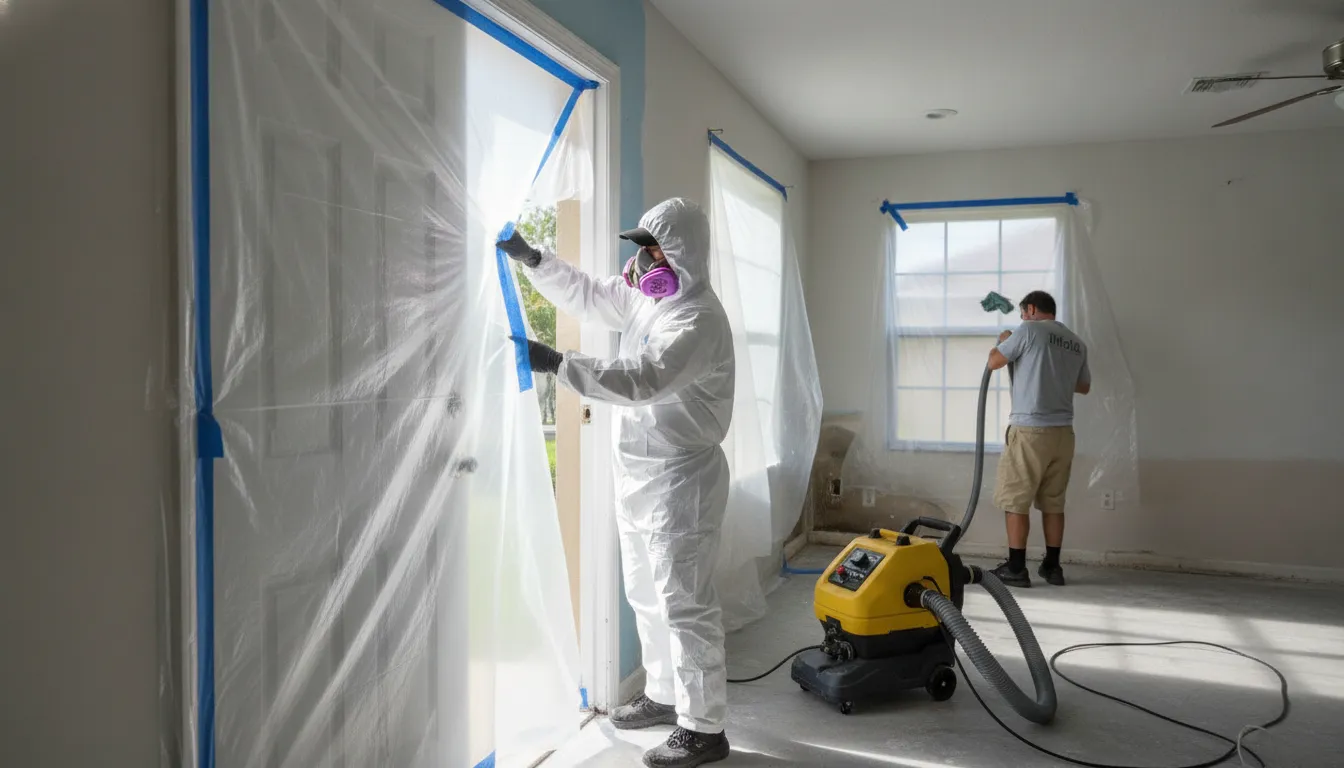
Trained teams follow strict rules to contain the mold spores during cleanup. They build plastic barriers around the dirty area and use air machines with HEPA filters. These machines clean the air and prevent spores from drifting to other rooms.
This careful setup keeps your indoor air clean and stops the spread of mold while work is active. It also protects your family and pets from breathing in loose spores.
Unbiased testing and verification
How do you know when your home is truly safe? You should not just take a contractor’s word for it. Expert remediation relies on third-party testing to show that the job was done right. This testing is handled by an outside expert who checks the air and surfaces for mold spores.
This extra test gives you clear proof that the cleanup worked. Because the testing lab has no link to the remediation team, you get a fair and honest report. Once the tests show that spore levels are back to normal, you can have peace of mind. Your home is clean, dry, and safe to live in again.
Mold Remediation vs Mold Removal: Is There a Difference?
Many homeowners use the words mold removal and mold remediation to mean the same thing. But in the restoration field, these terms have distinct meanings. Knowing the difference between mold removal and mold remediation helps you make the best choice for your home. One is a quick fix for visible spots, while the other is a full process to keep mold from coming back.
Focus of surface mold removal
Mold removal is a basic step. It focuses on cleaning up the mold you can see. Workers scrub visible mold off hard surfaces like wood, metal, or glass. They use soaps or bleach to wash away the black or green spots. This step is fine for small areas. It clears the dark stains so your walls look clean again. But this cleaning fails to stop the tiny spores you cannot see.
But simple cleanup does not solve the real issue. Mold spores are tiny and can float easily through the air. If you only clean the surface, the mold will often return in a few days. You must find and stop the water source. Without fixing the moisture, scrubbing is just a short-term fix. It does not address why the mold grew in the first place.
Scope of professional mold remediation
If you ask what is mold remediation, you will find it is a much bigger process. It is a full plan to treat mold at its source. Workers do not just scrub the spots you can see. They also test the air, seal off the workspace, and dry the wet area. Our team uses professional tools to find leaks behind walls where mold likes to hide. This step lowers mold spores to a safe level.
The table below shows how these two methods compare across key areas of home restoration and safety.
| Aspect | Mold Removal | Mold Remediation |
|---|---|---|
| Primary Focus | Cleans visible mold on surfaces. | Finds and stops moisture sources. |
| Air Quality | Does not filter airborne spores. | Uses HEPA filters to clean the air. |
| Porous Materials | Scrubs top layers of materials. | Removes and discards wet pieces. |
| Work Area | Leaves work space open to home. | Seals the space to stop spore drift. |
| Final Goal | Clears surface stains quickly. | Stops mold from coming back. |
Handling of porous and absorbent materials
Some materials are hard to clean when they get wet. Mold grows deep inside empty spaces of soft objects. According to the Environmental Protection Agency, you may need to throw away porous materials like carpet and ceiling tiles. Mold fills the small cracks and crevices in these items, which makes complete cleaning almost impossible.
A professional team knows when to save an item and when to discard it. They seal off the bad areas before moving moldy drywall or insulation. This care stops spores from drifting to clean rooms. They also use special vacuums to capture mold from the air. Using a full remediation process ensures your home stays safe and dry for a long time.
Why Florida Homes Face Higher Mold Risk
Florida is famous for sunny weather and sandy beaches. But this same warm climate makes local homes highly prone to indoor mold. The mix of high heat and damp air creates a perfect spot for mold to grow. When these factors come together, mold can start on walls and floors within two days.
The impact of heat and humidity
During the long summer, indoor air can quickly get heavy with moisture. Our rainy season from April to October brings daily storms that keep outdoor air very damp. When this wet air gets inside, it settles on drywall, wood, and carpet. Without good airflow, these damp surfaces let mold thrive.
Because of this constant dampness, keeping your home dry is your best defense. The EPA states that the key to mold control is moisture control in your living space. If you want to protect your property, read our mold remediation guide for Southwest Florida for key tips. Stopping water before it spreads is the only way to keep mold away.
Water intrusion from storms and systems
Big storms and hurricanes are a major source of water damage in our region. High winds can tear off roof shingles and crack windows, letting rain pour inside. Floods quickly soak walls and cause deep damage that is hard to see. In these cases, mold can take hold in hidden wall spaces where fresh air cannot reach.
Apart from storms, daily home systems can also cause water issues. AC units work hard to cool our houses, but they also produce a lot of dripping water. If the drain line blocks, water can spill into your ceiling or closet. Slab leaks and pipe breaks under your floor can also leak water for weeks before you notice.
Moisture management as the solution
Since moisture is the root cause of mold, stopping wet spots is vital. Homeowners should check their AC drain lines and plumbing pipes often. Using fans in bathrooms and kitchens also helps clear out damp air. But if a major leak or flood occurs, simple home fans and towels are not enough to dry the deep structure.
When local owners face severe moisture problems, they often ask what is mold remediation and how it can help. Getting professional mold remediation services in Southwest Florida is the best way to handle these damp threats. This work goes far beyond wiping away surface spots to fully dry the building. This care ensures that the mold does not return to damage your home.
Call (877) 771-1699 for 24/7 mold emergency help
What Happens During the Mold Remediation Process?
To get your home back to normal, you should know the successful mold remediation process. To make it simple, what is mold remediation exactly? It is a clear, science-based plan to clean up mold and fix wet spots.
The Standards of Professional Care
Before hiring a team, you must check their background. The U.S. Environmental Protection Agency (EPA) tells crews to follow clear, safe rules. These include standards set by the Institute of Inspection, Cleaning and Restoration Certification (IICRC). A trained expert has the skills to trap spores and stop them from spreading to clean rooms.
Trained crews know how to handle mold safely. They wear safety gear like masks and gloves to protect themselves. They also use special vacuum cleaners with HEPA filters to trap tiny spores. This ensures they do not spread the mold to other parts of your house. By following these strict steps, a trained team keeps you and your family safe during the cleanup.
Our 7-Step Cleanup Protocol
A true expert will use a multi-step plan to clean your house. This process targets both the mold and the water source that caused it. This structured plan has seven clear steps.
- Assess: First, the crew inspects your property to find wet spots and map the mold growth. They use moisture meters to find hidden leaks behind your walls.
- Contain: Next, they set up plastic barriers and air machines to seal off the work area. This stops mold spores from traveling to the rest of the house.
- Extract: If standing water is present, the team pumps it out and dries the wet structures. They use large fans and dehumidifiers to remove moisture from the air.
- Remediate: Experts clean hard surfaces and remove moldy items like carpet or drywall that cannot be saved. They apply special cleaners to kill the remaining mold.
- Deodorize: Crews use safe sprays to remove bad musty smells from the air and building materials. This makes your indoor air smell clean and fresh again.
- Verify: A separate lab tests the air to prove all spores are gone. This gives you clear proof that the cleanup was a success.
- Restore: Finally, crews rebuild the drywall and paint to make your home look like new again. This step puts everything back the way it was.
Verifying the Final Results
How do you know the job is done right? A visual check alone is never enough. A good crew uses third-party tests to get clear proof of success. A separate lab will test the indoor air to ensure the mold spores have returned to safe, natural levels. This step is done before the plastic walls come down and final rebuild work starts.
Testing the air is crucial before rebuild work begins. A third-party test makes sure the air is clean and the mold will not grow back. The test results show that the spore counts are normal. Once you have this proof, you can rest easy knowing your home is safe. If the test fails, the team must clean the area again at no extra cost to you.
When Should You Call a Professional for Mold?
Finding mold in your home can be stressful. You might wonder if you can clean it up yourself or if you need expert help. Learning what is mold remediation can help you make the right choice. Minor mold issues are easy to manage, but larger problems need expert care.
The size and scope of mold damage
The size of the mold growth is the first thing to check. According to guidelines from the EPA, you can usually clean up spots under ten square feet yourself. This is about a three-by-three foot patch on a wall. But if mold covers a larger spot, or if there is major water damage, do not clean it alone.
Big water leaks and floods lead to fast mold growth. When water sits in your home for more than two days, mold can start to grow inside your walls and floors. This kind of deep damage is hard to see and even harder to clean. A professional team knows how to dry your home and stop mold before it spreads.
Hidden mold and health concerns
You cannot always see mold with your eyes. It often grows in hidden spaces like behind drywall, under carpets, or inside air ducts. If your home smells musty but you do not see any mold, it could be growing out of sight. A professional has the right tools to find these hidden spots without tearing up your whole house.
Mold can also cause health issues for your family. Breathing in mold spores can cause sneezing, coughing, and itchy eyes. Damp indoor areas are often worse for people with asthma or allergies. If anyone feels sick when they are inside, it is time to call a pro.
Watch out for these common warning signs in your home:
- Large spots of black or green growth on walls.
- Strong, musty smells that do not go away.
- Water stains on your ceiling or drywall.
- Feeling sick only when you are at home.
Expert solutions and standards
Calling a professional makes sure the job is done right and safely. Trained pros know how to contain the work spot so mold spores do not spread. They use strong air scrubbers to clean the air. They also fix the moisture source so mold cannot grow back.
A certified company like iMold has the right credentials for the job. Our team has full IICRC training to meet high safety standards. We also have a Florida State General Contractor license CGC1540205 and Mold Remediator license MRSR2170. We are fully licensed, bonded, and insured to protect your home.
Working with a professional also helps with your insurance company. We work directly with your insurer and use Xactimate software to write our estimates. We also offer a free visual mold inspection to help you get started without any upfront cost. If you need help, we provide professional mold remediation services in Southwest Florida.
Request your free visual mold inspection and estimate
Frequently Asked Questions About Mold Remediation
Can I do mold remediation myself?
Yes, you can clean small areas of mold yourself. The EPA says that if the moldy area is under 10 square feet, you can often do the work. If the mold covers more space, or if you have a lot of water damage, you need to call an expert. Working on large mold areas without proper gear can spread spores to other rooms.
How much does mold remediation cost?
Every mold job is unique, so we cannot give a single price without seeing the damage. The final cost depends on how far the mold has spread and what materials it has ruined. A trained team must check your home to find the damp spots and write a clear plan. Your home insurance may cover these costs if the mold came from a sudden leak.
Do you have to throw away moldy items?
It depends on the item. The EPA notes that porous items like carpet, drywall, and ceiling tiles may need to be thrown away once mold grows on them. This is because mold can grow deep inside the tiny spaces and cracks of these items, making it very hard to clean them fully. Hard goods like metal, glass, and solid wood can usually be saved and cleaned.
Can mold return after professional remediation?
Yes, mold can return if you do not fix the root cause of the moisture. Mold needs water to grow, so fixing leaks and keeping indoor humidity low are vital steps. While a trained team will clean the mold and treat the area, you must keep your home dry to stop new spores from growing. We always find and address the water source before starting our cleanup.
Schedule Your Free Mold Inspection and Estimate
Mold can spread quickly in Florida homes once water damage starts. Leaving mold alone will ruin your walls, harm your health, and cost much more to fix later. Acting now keeps your home safe and stops the damage before it spreads. At iMold, we have helped Southwest Florida families protect their homes for twenty-eight years. We offer 24/7 emergency service and a 30-minute response time to help you right away. Our local team will also work directly with your insurer to make the process simple. You can read more about our professional mold remediation services in Southwest Florida to see how we protect your home.
Ready to get started? Call (877) 771-1699 to schedule a free mold inspection and estimate.