When water enters a Southwest Florida home, the first priority is controlling moisture before a small problem becomes a larger restoration project. Fast, careful action matters, but so does choosing a licensed team that understands local construction, humidity, insurance claims, and the path from cleanup through rebuilding.
Need help now? Call iMold for 24/7 emergency mold remediation service and a free inspection.
Mold remediation southwest florida requires more than surface cleaning: qualified professionals should identify the moisture source, contain affected areas, remove contamination safely, verify the results with unbiased testing. And restore the property. iMold provides 24/7 emergency response, a 30-minute response promise in its immediate service area, and free visual inspections and estimates.
With 28 years serving the region and seven IICRC credentials, iMold helps homeowners make informed decisions without alarm or guesswork. The right response begins with recognizing why Southwest Florida’s climate and storm exposure call for a specialized approach.
Why Mold Remediation in Southwest Florida Is Different from Other Regions
Southwest Florida’s climate creates a longer, more persistent moisture season than many other parts of the country. Average humidity can reach about 70%, keeping materials, crawl spaces, attics, and air-conditioning systems under near-constant moisture pressure. When a leak, condensation problem, or storm event adds more water, mold can find favorable conditions quickly.
Humidity keeps moisture problems active
In a dry climate, a small amount of moisture may evaporate before it causes lasting trouble. In Fort Myers, Cape Coral, Naples, and surrounding communities, humid outdoor air can slow drying and make indoor moisture harder to control. Effective managing mold in Florida’s humid climate requires more than wiping a surface. It means identifying the moisture source, drying affected materials thoroughly, and addressing conditions that could allow growth to return.
Storm season adds repeated water risks
Hurricane season runs from June through November, bringing tropical storms, heavy rain, wind-driven water, roof damage, flooding, and extended power interruptions. Even when a property does not experience major structural damage, wet drywall, insulation, flooring, or furnishings can become a secondary problem if drying is delayed. A storm may also expose older leaks that were previously hidden behind walls or ceilings.
Water damage is a significant local concern
Florida homeowners face a meaningful risk of water-related losses. About one in 67 Florida homes has a water damage claim, with the average claim reported at approximately $15,400. That figure underscores why prompt assessment matters after a plumbing failure, appliance leak, roof intrusion, or storm event. The goal is not to create alarm, but to prevent a manageable moisture issue from becoming a larger remediation and restoration project.
The Southwest Florida restoration market is growing by about 4%, reflecting the region’s ongoing demand for professionals who understand local building conditions, humidity, and storm-related damage. A qualified team can evaluate both visible and hidden moisture, coordinate the response, and help restore the property after the affected materials are addressed.
When Does Mold Require Professional Remediation?
Not every small patch of surface mold requires a remediation crew. The right response depends on the size of the affected area, the source of the moisture, and whether contamination may be hidden or circulating through the home. Acting promptly matters because mold can begin growing within 24 to 48 hours after water exposure. A leaking supply line, storm intrusion, overflowing appliance, or wet drywall should be addressed before a small moisture problem becomes a larger cleanup project.
When a careful DIY cleanup may be reasonable
The U.S. Environmental Protection Agency says homeowners may often handle a moldy area smaller than about 10 square feet, or roughly a 3-by-3-foot patch, using appropriate cleaning methods. This is most suitable when the growth is limited to a hard, cleanable surface. The moisture source has been stopped, and there has been no sewage or contaminated water. Wear appropriate personal protection, ventilate the area safely, and avoid disturbing materials that could spread spores.
DIY cleanup is not a substitute for correcting the leak or humidity problem. Porous materials such as carpet, ceiling tile, insulation, and some drywall may need to be discarded when heavily contaminated because surface cleaning cannot reliably reach all affected areas. The EPA also advises people with health concerns to consult a medical professional before beginning cleanup.
When to call a professional
Professional mold remediation is the safer choice when growth covers more than 10 square feet, follows extensive water damage, returns after cleaning, or appears in multiple rooms. Call promptly after sewage, floodwater, or another contaminated-water event. These situations require more than wiping a surface. A qualified team can identify hidden moisture, establish containment, use appropriate air filtration, and determine whether affected materials can be cleaned or must be removed.
Do not run the HVAC system if you know or suspect that it is contaminated with mold. According to the EPA’s mold cleanup guidance, operating a contaminated system could spread mold throughout the building. Musty odors without an obvious source, visible growth, recurring water stains, peeling materials, and unexplained moisture are all reasons to arrange an inspection. Health symptoms that appear or worsen in a damp area should also be taken seriously, without assuming mold is the only possible cause.
For homeowners searching for mold remediation southwest florida. A no-cost visual mold inspection can clarify the next step. iMold provides 24/7 emergency availability and a 30-minute response promise in its immediate service zone. Learn more about the professional mold remediation process before deciding how to address a suspected problem.
The Professional Mold Remediation Process: What to Expect
A professional project should be organized, documented, and focused on both visible growth and the moisture source that allowed it to develop. At iMold, the seven-step process fits within the company’s five-stage iMold Way: Assess, Contain, Extract, Remediate, and Restore. That framework keeps the work moving from inspection through final verification without treating surface cleaning as the complete solution.
- Inspection and assessment. The team begins with a no-cost visual mold inspection and estimate. Technicians look for visible growth, water staining, musty areas, plumbing concerns, and conditions that could support hidden mold. Thermal imaging can help identify temperature patterns associated with concealed moisture, while moisture meters provide readings in building materials. These tools help define the scope before work begins.
- Source determination and testing. The next step is identifying where moisture came from, such as a leak, storm intrusion, condensation, or an unresolved drying problem. If the source is not corrected, mold can return after cleaning. iMold uses independent. Third-party testing for unbiased verification, rather than relying only on the remediation contractor’s own assessment. Testing can establish a useful baseline and help confirm completion.
- Containment. Affected areas are separated from occupied space to limit the movement of dust and airborne particles. Depending on the project, technicians may use physical barriers, HEPA filtration, and negative air pressure. Negative air helps keep air moving into the contained area instead of allowing it to migrate into clean rooms.
- Material removal. Remediators remove contaminated materials when cleaning cannot restore them safely. Porous items, including some carpet, insulation, or ceiling materials, may need disposal when heavily affected. Removal and handling should follow applicable industry guidance, including the IICRC S520 standard for professional mold remediation, with care taken to avoid spreading contamination.
- Contents cleaning. Salvageable furniture, personal property, and building contents are evaluated and cleaned using methods appropriate to each material. HEPA vacuuming and other controlled cleaning techniques can reduce settled particles. The goal is to preserve what can reasonably be restored while clearly identifying items that cannot be returned to their prior condition.
- Drying and restoration. The team extracts remaining water, dries the structure, and addresses the underlying source. Restoration may include repairs to drywall, flooring, ceilings, or other affected components. Because iMold provides restoration and reconstruction, the project can continue beyond remediation when a property needs rebuilding.
- Verification and closeout. After cleaning and restoration, the work area is reviewed and third-party testing is used to verify the project is complete. Documentation helps the property owner understand what was addressed and what maintenance may be needed next. For a closer look at professional mold remediation services, contact iMold for guidance tailored to the property.
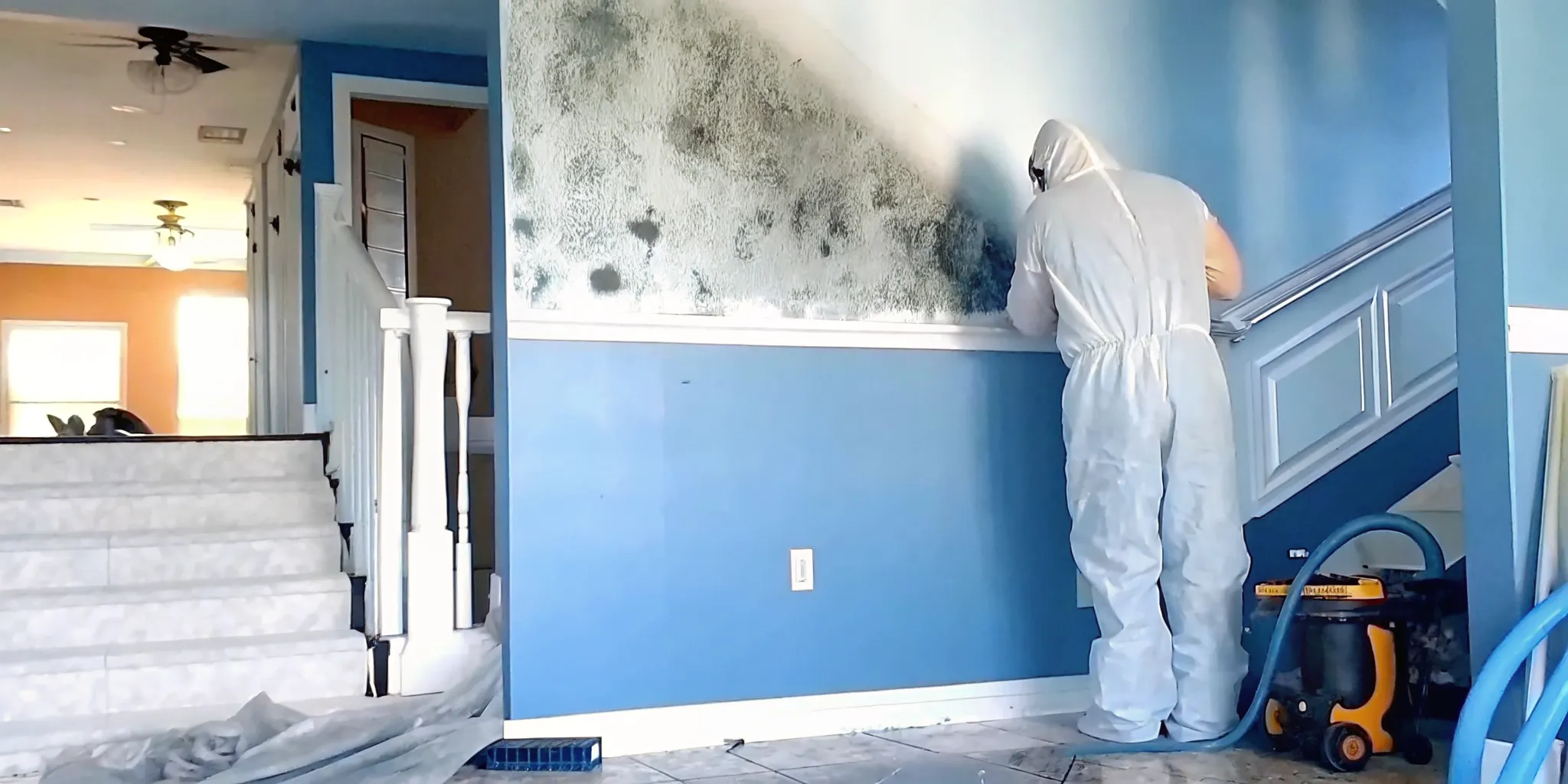
For larger water or mold events, the EPA recommends consulting qualified professionals and acting promptly. iMold offers 24/7 emergency availability and a 30-minute response promise in its immediate service area. Helping Southwest Florida homeowners and businesses begin the right process sooner.
Mold Remediation vs Mold Removal: Understanding the Difference
The terms mold removal and mold remediation are often used interchangeably, but they describe different levels of work. Removal focuses on cleaning or discarding visible mold. Remediation addresses why the mold appeared, controls the affected area, and verifies that the space is safe to return to normal use.
| Criterion | Mold remediation | Mold removal |
|---|---|---|
| Scope | Manages the complete project, from assessment and containment through cleaning, restoration, and verification. | Cleans visible growth or removes visibly contaminated materials. |
| Root cause | Identifies and corrects the moisture source, such as a leak, intrusion, or excess humidity. | May leave the water or moisture problem unresolved, allowing growth to return. |
| Containment | Uses barriers, controlled airflow, negative pressure when appropriate, and HEPA filtration to limit cross-contamination. | Typically has no formal containment plan for spores and dust. |
| Testing | Can include independent post-remediation testing to provide unbiased verification of the result. | Usually ends when visible mold has been cleaned, without clearance testing. |
| Certification | Performed according to recognized EPA guidance and applicable IICRC remediation standards. | May be a limited cleaning task without a documented remediation protocol. |
| Outcome | Leaves the structure cleaner, drier, and better protected against recurring mold growth. | Improves the visible appearance but may not resolve hidden contamination or conditions supporting growth. |
When cleaning is not enough
A small, isolated patch may sometimes be handled with appropriate cleaning. The EPA advises consulting professionals when mold covers more than about 10 square feet, after extensive water damage, or when contaminated water or sewage is involved. Porous materials, including carpet and ceiling tiles, may need removal because growth can penetrate beyond the surface. If the HVAC system may be contaminated, do not operate it until it has been evaluated, since it can distribute spores throughout the building. See the EPA mold cleanup guidance for homeowner precautions.
For homeowners seeking mold remediation in Southwest Florida, the practical question is not simply whether visible mold can be wiped away. It is whether the moisture source, affected materials, air quality, and final condition have all been addressed. A qualified team can document that process and coordinate independent testing when appropriate. iMold follows established EPA guidance and IICRC principles while combining containment. HEPA filtration, cleaning, and restoration into one coordinated project.
Insurance and Mold Remediation in Southwest Florida
After a leak, storm, or plumbing failure, many Southwest Florida homeowners have the same practical question: will insurance pay for mold remediation? The answer depends on your policy, the source of the moisture, the timing of the damage, and any exclusions or limits in your coverage. Some policies may cover mold when it results from a covered water loss, while others provide limited coverage or exclude mold-related work. Reviewing your policy and speaking with your carrier is the best way to understand your specific situation.
For a helpful overview, review these mold remediation insurance coverage options before beginning work. Even when coverage is uncertain, prompt documentation matters. Photos, moisture readings, dates, damaged materials, and records of emergency steps can help establish what happened and support a more complete claim file.
How iMold helps with the insurance process
Insurance claims can feel overwhelming while you are also trying to protect your home or business. iMold coordinates with adjusters. Prepares claim documentation, and uses Xactimate, an industry-standard estimating platform, for direct insurance billing. As a preferred vendor with major insurance carriers, the team understands the information carriers commonly need to review a restoration claim. That experience can make communication more organized from the initial inspection through remediation and reconstruction.
Coordination does not mean coverage is guaranteed. Your insurance carrier makes the coverage decision under the terms of your policy. iMold’s role is to document the condition accurately. Explain the recommended scope of work, and communicate with the appropriate parties so you can make informed decisions.
Start with a no-cost inspection
A free visual mold inspection and estimate provide a practical first step when you are unsure what happened or what should happen next. An iMold professional can assess visible conditions, identify moisture concerns, and explain whether additional testing or remediation is appropriate. The inspection also helps create an early record of the affected areas before conditions change.
Whether your property is in Fort Myers, Cape Coral, Naples, Bonita Springs, or another nearby community. Do not delay documenting a water or mold concern while trying to interpret policy language alone. Contact iMold for a no-cost inspection and guidance on the next step. The team is available 24/7 for emergencies, with a 30-minute response promise in the immediate service area.
Why iMold Is Southwest Florida’s Trusted Mold Remediation Provider
When mold affects a home or business, experience and accountability matter. iMold brings 28 years of continuous operation in Southwest Florida to every project. Serving Fort Myers, Cape Coral, Naples, Bonita Springs, and communities across eight counties. That local history gives the team a practical understanding of regional homes, storm-related water damage, humidity, and the urgency that follows a property emergency.
iMold has earned more than 900 Google reviews with a 4.9-star average, reflecting the trust built through years of helping local property owners. The company was also named the 2024 Best Restoration Contractor in Florida by Guide To Florida and has been featured by ABC Action News and Fox 4 during Hurricane Ian recovery. These recognitions support what customers experience directly: responsive communication, organized work, and a team prepared to guide a project from the first call through completion.
Licensed, certified expertise for complex mold problems
Professional credentials provide an important layer of protection when a project involves hidden moisture, contaminated materials. Or structural repairs. iMold holds seven IICRC credentials, including WRT, ASD, MRS, AMRT, FSRT, OCT, and CCT. The company also holds Florida General Contractor license CGC1540205 and Florida Mold Remediator license MRSR2170. Together, these qualifications support a disciplined approach to assessment, containment, remediation, and restoration.
iMold’s team includes more than 35 certified professionals with over 150 years of combined experience. The company also uses third-party testing for unbiased verification after remediation. That independent check helps provide transparency about whether the work is complete, rather than asking a property owner to rely only on the cleanup contractor’s word.
One local team from emergency response through rebuild
Choosing a full-service restoration provider can simplify a stressful situation. iMold handles more than mold alone. With services that extend from emergency water extraction and specialty cleaning to remediation, reconstruction, and final rebuild work. Addressing the source of moisture and restoring affected areas under one roof can reduce handoffs and help keep the project moving.
For urgent situations, iMold offers 24/7 emergency availability and promises a 30-minute response in its immediate service area. Homeowners and businesses can also request a free mold inspection in Southwest Florida and estimate. When you need mold remediation services in Southwest Florida, iMold combines the responsiveness of a local champion with the capabilities needed for a complete restoration.
What to Look For When Choosing a Mold Remediation Company
Choosing a remediation company is about more than finding someone who can clean a visible patch. The right contractor should be qualified to identify the moisture source, protect the rest of the property, document the work, and help you make informed decisions about repairs.
Verify licensing, training, and insurance experience
Ask for the company’s Florida Mold Remediator license and confirm that the team has the qualifications needed for the work involved. A contractor with a Florida General Contractor license can also coordinate reconstruction when drywall, flooring, cabinetry, or other building materials require repair. IICRC credentials are another useful indicator of formal restoration training. iMold holds Florida General Contractor license CGC1540205. Mold Remediator license MRSR2170, and seven IICRC certifications, including Applied Microbial Remediation Technician and Mold Remediation Specialist credentials.
Mold damage can also create an unfamiliar insurance process. Look for a company that regularly works with carriers, prepares documentation using recognized estimating software. And can explain what it is submitting without promising coverage. iMold has preferred vendor status with major insurance carriers and uses Xactimate for direct insurance billing. Coverage still depends on your policy and the circumstances of the loss, so clear communication matters.
Expect independent verification and a written plan
A reputable provider should offer a no-cost visual inspection and a written estimate that explains the recommended scope, affected materials, moisture source, and restoration steps. Ask whether testing is performed by an independent third party. Third-party testing provides more impartial verification that remediation is complete, rather than asking the cleanup company to grade its own work. You can also ask how the company will address the underlying moisture problem so the condition is less likely to return.
Check local reputation, response time, and payment options
Read recent reviews and look for a consistent local track record, not just a handful of testimonials. Confirm the service area, emergency availability, expected response time, and whether financing options are available before authorizing work. For urgent damage, iMold offers 24/7 emergency response with a 30-minute response promise in its immediate service area. Its 900+ Google reviews and 4.9-star average provide additional local reputation evidence. These checks help Southwest Florida property owners choose a capable partner with the resources to manage remediation from assessment through restoration.
Frequently Asked Questions
When should I call a professional mold remediator?
Call a professional after extensive water damage, sewage or contaminated-water exposure, suspected HVAC contamination, or mold covering more than about 10 square feet. The U.S. Environmental Protection Agency recommends professional guidance for larger mold areas and significant water damage. Professional help is also appropriate when moisture keeps returning or the source is hidden.
Can I clean a small mold spot myself?
Sometimes. The EPA says homeowners may often handle a moldy area smaller than about 10 square feet with detergent and water. Provided the situation does not involve contaminated water or other complications. Stop and seek professional advice if the area is spreading, materials remain damp, or anyone in the home has health concerns.
Should I run my HVAC system if I suspect mold?
No. If you know or suspect that mold has contaminated the HVAC system, turn it off until it can be evaluated. Running it may distribute spores throughout the building, according to the EPA’s mold cleanup guidance. A qualified remediator can help determine whether the system or connected areas require specialized cleaning.
How is mold remediation verified after cleanup?
A complete project addresses the moisture source, removes or cleans affected materials. And verifies the result rather than relying only on a visual wipe-down. iMold uses third-party mold testing for unbiased verification that remediation is complete. This independent step helps homeowners and insurers document whether the property is ready for restoration and normal use.
Ready to Schedule a Free Mold Inspection?
A professional assessment can clarify where mold is present and help you plan the right next step for your Southwest Florida property. Schedule a free mold inspection and estimate with iMold Cleaning and Restoration. Contact us to schedule your free inspection and speak with a team ready to help.