As a homeowner, it’s likely that you’ll be doing upgrades and renovations to your property over time. One thing to keep in mind when doing these is the cleanup of debris from your home renovation project. One concerning particle you need to be aware of is silica dust. Below, we’ll describe in detail what this dust is and why you need to be aware of it.
What Is Silica Dust?
Silicone dust is composed of many tiny particles that contain crystallized silica. This dust can come from items like concrete, stone, brick, or even tiles. Anytime these materials are cut, ground, drilled, or crushed, they create this silica dust. Crystallized silica is naturally occurring in all types of sand, stone, and even concrete. While it’s completely safe when the material goes undisturbed, it can become dangerous when it turns into fine dust particles that enter the air.
Respiratory Problems
One of the biggest concerns with silica dust is that it can lead to respiratory health risks for those who breathe it. These fine particles can lead to conditions like silicosis, COPD, lung cancer, and even tuberculosis. Silicosis is a permanent respiratory condition that affects the lungs by causing scars on the lung tissue that restrict your breathing. COPD is a long-term condition that results in reduced airflow and capacity of your lungs.
Invisible Exposure Risk
Because silica dust can lead to such severe health conditions, it’s a big concern for any homeowner. One of the biggest precautions about it is that it’s invisible to the naked eye. Silica dust particles are extremely fine, reaching sizes 100 times smaller than a single grain of sand. This makes it challenging for you to know when they’re in the air you’re breathing.
Harmful Repeated Exposure
There’s no doubt that even short-term exposure to silica dust-generating activities like sanding or cutting concrete can be harmful to your health. However, many of the major health conditions are the result of long-term exposure to silica dust. It’s been proven time and time again that exposure to silica dust adds up over time and significantly increases your risk of experiencing respiratory health problems. Both OSHA and NIOSH deem there to be no safe level of exposure to silica dust without control.
Protecting Against This Underrated Health Hazard
There’s absolutely no doubt that silicon dust is one of the most underrated health hazards due to its invisible nature. Because it can be highly dangerous to your health, it’s important you take necessary precautions when doing any activities that create silica dust. You don’t have to be a professional home renovator to use personal protective equipment when doing work at your home. Below, we’ll address some key steps you can take to greatly minimize your exposure to this known health hazard.
Use Wet Cutting Methods
One of the best things you can do to minimize silica dust creation is to use wet cutting methods. This helps reduce the amount of dust that enters the air and offers a safer alternative to traditional dry cutting methods. Regardless of how you’re cutting your material, it’s best to always have a vacuum ready to collect any of the dust created from your grinding or drilling activities.
Wear a Respirator
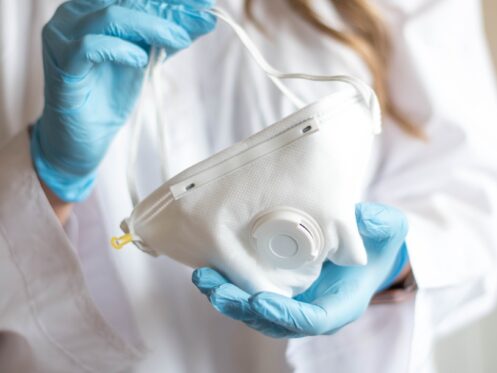
Another must-do to protect yourself from toxic silica dust is to wear a respirator. We’re not talking about a basic dust mask. Rather, we’re talking about a full-blown respirator that has pads specifically designed to absorb silica dust to prevent you from breathing it in. When working, ensure that you have a well-ventilated environment that can carry away the silica dust as quickly as possible.
Can Silica Dust Be Removed Safely?
If you’re just doing a small, basic home renovation project, there are some simple practices you can put in place to safely remove any silica dust that you produce. Use a HEPA-filtered vacuum that’s designed to capture the tiny silica particles that standard vacuums aren’t. Be sure to vacuum all the surrounding surfaces, including your floors, baseboards, walls, and any ledges.
Using wet cloths and mops is a great way to wipe down your surfaces after the initial vacuuming to trap any remaining dust particles. By adding water to the particles, you can prevent them from becoming airborne, which is when they’re at their most toxic. Be sure to change out your mop water frequently to avoid re-spreading the silica dust particles.
Do your best to avoid any sort of dry sweeping or using compressed air to blow the material, as you’ll simply stir the silica dust particles back into the air. Always continue to use your respirator during the cleaning process, and wear gloves when handling any sort of dust waste. It’s always important when you’re prepping any location in your home for renovations that you adequately seal it from all your other living spaces. This will help to confine the silica dust to one location where you can practice safety precautions when working in that specific area.
Should I Get Professional Abatement?
In some cases, getting professional silica dust abatement or removal service is necessary. It’s important to know when to call in a professional to ensure that you’re getting a nice, clean environment for others to be in. If you’re doing any sort of major construction project at your home, it’s best to schedule abatement once the project is done.
Additionally, if anyone in your household is pregnant or has asthma, COPD, or another respiratory condition, abatement services can be a good idea. The same holds true for households with very young children, whose lungs are more susceptible to the harmful effects of silica damage.
Another reason you may consider professional abatement service is that you don’t have the right equipment to get rid of the silica dust on your own. Our professional silica dust abatement experts have HEPA vacuums, proper respirators, professional-grade air scrubbers, and many other useful tools for removing the microscopic dust from your home.
Abatement for Businesses
Professional silica dust abatement service isn’t just reserved for homeowners. It’s also necessary for work sites and businesses. OSHA sets out standards that may require certified professionals to come in and handle the cleanup of your project after significant silica-generating activities. This can be after a large-scale demolition or renovation project.
We can actively work to remove unwanted silica dust that’s embedded in your carpets, ducts, and other hidden surfaces throughout your commercial building. It’s typically best to allow our certified professionals to do most of the cleanup from these projects because we have the right personal protection equipment as well as the appropriate tools to handle the job without creating any health risks for those involved.
Expert Silica Dust Abatement Service
iMold provides expert silica dust abatement service for the Fort Myers, FL area. We can also help with all your biohazard cleanup, mold removal, water damage, and rebuilding service needs. Call us at iMold in Fort Myers today to book your next service appointment with one of our helpful specialists.