Every building has various issues that negatively impact indoor air quality, such as high concentrations of allergens, volatile organic compounds (VOCs), and other airborne pollutants and contaminants. Dealing with poor air quality can create numerous problems and lead to various symptoms of so-called sick building syndrome. Mold issues are especially common in Florida as a result of our hot, humid climate. The first step to improving indoor air quality is IAQ testing. This article will explain the types of testing available and what options you have for overcoming mold and other IAQ issues.
Mold Inspection and Testing
When mold is suspected inside a building, the first step is a professional mold inspection. A mold inspection is also essential after water damage and flooding, as it helps identify hidden moisture that could lead to mold growth. The inspection starts with the technician checking for visible mold growth and signs like musty odors, water stains, and discoloration on walls and ceilings that can indicate the presence of hidden mold growth. Thermal imaging and moisture sensors allow technicians to check for hidden issues that could allow mold to quickly start growing within walls and ceilings or under floors. If mold or moisture issues are detected, the technician can then recommend the next steps to take.
Mold testing is a more in-depth process that involves identifying the species of mold that are present and measuring their concentration levels. Taking samples to test for the presence of mold usually isn’t necessary, as the initial inspection will already have confirmed its presence. Mold testing is generally only done when official documentation showing the presence of mold is required for an insurance claim or a real estate transaction.
Mold testing involves collecting air and surface samples from every place where mold is suspected and any areas of concern. The samples are then sent to a laboratory to be analyzed. If the samples confirm the presence of mold, the lab will then identify the type of mold and whether it poses any health risks.
Broader IAQ Testing and Monitoring
There’s a wide range of sensors and monitoring devices that are designed to detect various air quality issues, such as particulate matter, VOCs, radon, carbon monoxide, and high humidity. Many of these devices are fairly inexpensive and allow you to monitor for air quality concerns in your home. However, they aren’t nearly as accurate as professional IAQ testing when it comes to identifying issues with VOCs and particulate matter.
Professional IAQ testing is quite similar to mold testing in that the technician goes around the building taking air and surface samples. The samples are then sent to a lab for testing to determine which specific issues are present. For instance, the test identifies the type of VOCs and particulate matter present in the air and the concentration of each one. This allows professionals to identify any potential health concerns and recommend actions you can take to overcome them.
Solutions for Overcoming and Preventing Mold Issues
The only way to safely and effectively eliminate mold in a home or business is with professional remediation. The first step in the process is to seal off the affected area to prevent spores from spreading around the building and potentially leading to mold growth in other areas. Once the area is sealed off, air scrubbers and exhaust fans are set up to eliminate airborne mold spores and clean the air. If the mold growth resulted from something like a roof leak or plumbing leak, it’s necessary to fix this problem to eliminate the source of moisture. Then you can start tackling the mold.
The next step is to remove mold-infested building materials and any other items that can’t be saved. Using fans and dehumidifiers to dry everything out as quickly as possible is essential for preventing the mold from spreading. The last step is to clean and decontaminate the entire area, along with the ductwork and HVAC system, to ensure that all mold and spores are eliminated.
In the humid Florida climate, effective humidity control is crucial for preventing issues with condensation and moisture that could lead to indoor mold growth. Installing attic fans is the best option for preventing the attic from being overly hot and humid and lessening the chance of mold growth. Running portable dehumidifiers in mold-prone areas like a bathroom and always turning on the exhaust fan in the bathroom when bathing are other helpful tips. In terms of overall humidity control, the most effective solution is to upgrade your HVAC system with a whole-home dehumidifier. This type of dehumidifier draws moisture out of the air circulating through the ductwork to keep the entire building drier. The dehumidifier will normally just run when your AC unit is on. You can also switch the HVAC fan on so that the dehumidifier works independently when your air conditioner isn’t running.
Options for Tackling Other IAQ Issues
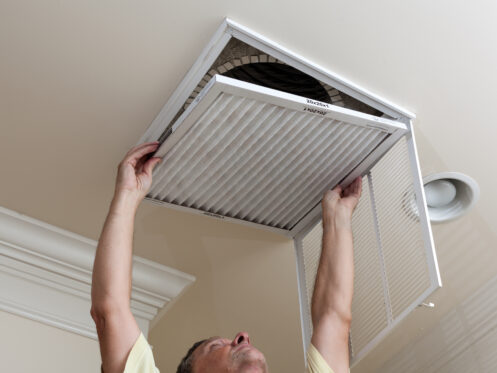
Mold generally isn’t the only IAQ issue you need to worry about. Dust, pollen, and other allergens continually get circulated around the building by the HVAC system. Upgrading the unit in your home or business with a more efficient air filter, such as a media filter or an electronic air cleaner, greatly reduces the concentration of allergens and other types of particulate matter, such as exhaust fumes and byproducts from cooking. Improving your building’s air filtration can also help with mold prevention by reducing the presence of mold spores. Ensuring you have efficient air filtration is important for helping anyone with allergies, asthma, and other respiratory issues breathe more easily.
Dust, allergens, and debris also continually build up inside a building’s air ducts. This results in more of them getting spread around. The buildup also negatively impacts the HVAC system’s efficiency and performance. The best way to prevent and overcome both of these issues is to schedule professional duct and vent cleaning every year.
Almost all homes and businesses have issues with fairly high concentrations of common VOCs, such as formaldehyde, acetone, and benzene. These chemicals naturally get released into the air by a large number of things, including cleaning supplies, laundry products, building materials, furniture, cosmetics, air fresheners, aerosol deodorants, and even electronics. Long-term exposure to certain VOCs has been directly linked with an increased risk of cancer as well as cardiovascular and respiratory problems. Adding an air scrubber or air purification system to your HVAC system is the best solution for tackling VOCs. An air purification system is also effective against germs, allergens, and other IAQ concerns.
Installing a UV air purifier in your HVAC system also contributes to a healthier indoor environment. Mold spores, bacteria, and viruses are all highly susceptible to UV-C radiation. When these microorganisms are exposed to UV-C light, the light significantly damages their DNA. This either kills them or essentially deactivates them so that they can’t reproduce or cause infection. Some units are designed to reduce the concentration of spores and germs in the air circulating through the building’s ductwork. Others are specifically designed to prevent mold and bacterial growth on the AC evaporator coil, which is a fairly common problem in humid climates.
When mold issues strike, iMold is ready to help. We’ve been providing top-rated mold inspection, mold remediation, and water damage restoration services in Southwest Florida for nearly 30 years. Our experienced team can quickly identify any mold issues in your home or building. Our thorough remediation process allows us to eliminate all traces of indoor mold growth and spores and ensure that the problem doesn’t return. We’re also proud to be the most trusted name in the region for air duct cleaning. For a free inspection and estimate or to schedule a duct cleaning service, contact us today.