When a home is affected by water, mold, fire, or another property problem, it can be hard to know what needs attention first. iMold provides 24/7 emergency availability in Southwest Florida, and understanding the stages of residential restoration can help you make clear decisions without rushing into work you do not understand.
Get 24/7 emergency restoration help in Southwest Florida
What residential restoration means
Residential restoration is the work of addressing damage to a home, limiting further harm where possible, and returning affected areas to usable condition. The right scope depends on what happened, which materials are affected, and whether the home needs mitigation, cleaning, repairs, or a combination. It is not one universal checklist or a promise that every project follows the same schedule.
For example, water damage may call for locating and stopping the source, removing standing water, drying affected materials, and repairing damaged finishes. Mold concerns may require an assessment and a careful remediation plan. Fire-related work can involve securing exposed areas and coordinating cleanup or repairs. Some projects involve more than one type of work, so it is useful to ask how the proposed scope addresses both the immediate issue and the recovery work that follows.
For a wider view of available help, see iMold’s restoration services. For a water-specific concern, the water damage services page explains iMold’s water-damage services in more detail.
What to do first after damage
Safety comes before cleanup. If there is an immediate danger, such as an active fire, structural instability, or a suspected electrical hazard near water, keep people away and contact the appropriate emergency services or utility provider. Do not enter an unsafe area to retrieve belongings or investigate concealed damage.
When it is safe, these practical steps can help preserve useful information and make the next conversation more productive:
- Stop the source only if it is safe. If you can safely shut off a leaking fixture or supply, do so. Avoid operating electrical equipment in a wet area.
- Document what you see. Take photos or video before moving items or beginning cleanup, if doing so is safe. Note when you first noticed the problem and any steps already taken.
- Protect people and belongings. Keep children and pets away from affected areas. Move unaffected belongings out of the way only when it is safe and will not spread contamination or cause injury.
- Contact your insurer when appropriate. Ask about the claim process, documentation, and any specific instructions. Keep records of calls, photos, and receipts related to immediate protective steps.
- Get qualified help for assessment. A professional can help identify the apparent scope, explain urgent mitigation, and distinguish immediate protective work from later repairs.
Do not cover up a damp area or paint over suspected mold as a substitute for addressing the underlying moisture. The U.S. Environmental Protection Agency provides general guidance on mold and moisture in homes; site conditions still need to be considered individually.
How the restoration process is organized
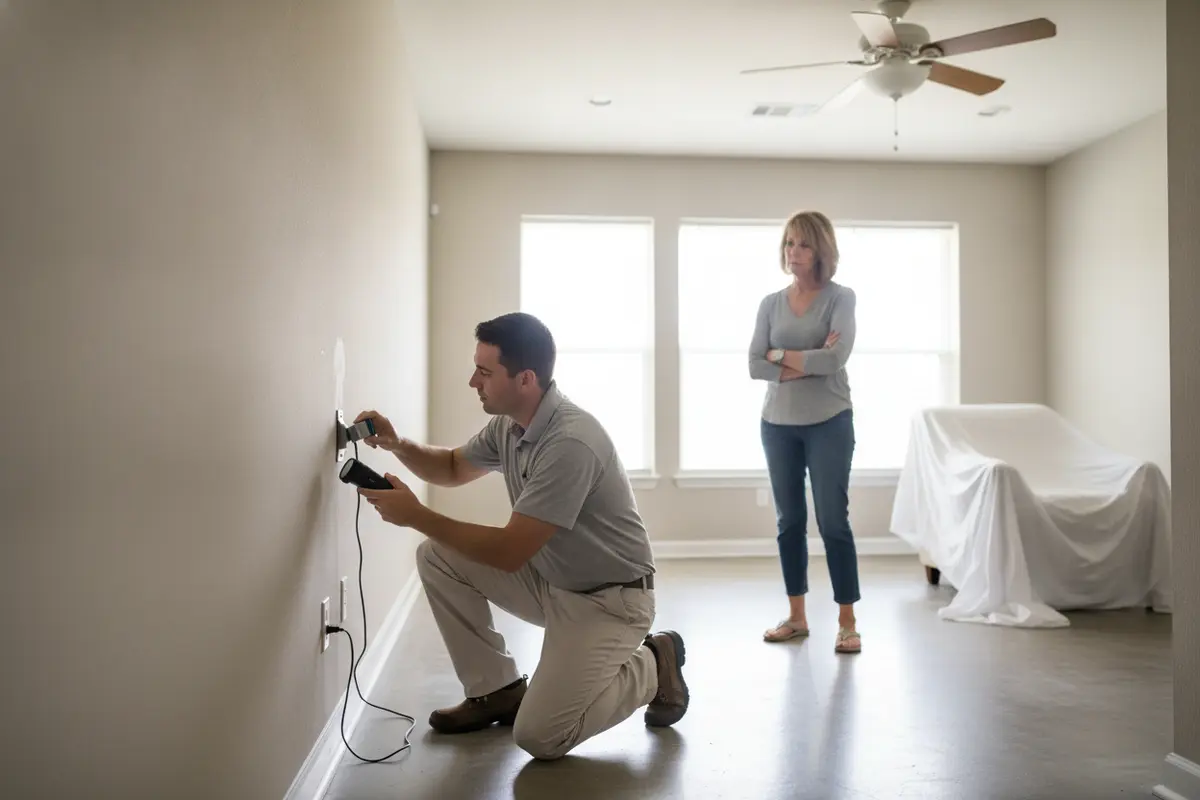
Though every property is different, residential restoration commonly moves through a series of coordinated decisions. Ask the project team to explain what is known, what still needs checking, and what must happen before repairs begin.
- Initial conversation and safety check. Share what happened, when it began, which rooms are affected, and any safety concerns. If damage is active or the property may be unsafe, say so at the start.
- Assessment and scope. The team reviews accessible affected areas, discusses the likely source and extent, and identifies work that may be needed. If more information is required, ask what question the additional inspection or testing is meant to answer.
- Mitigation and protection. Depending on the situation, this may include controlling further water entry, removing water, setting up drying, or protecting exposed parts of the home. Mitigation addresses immediate conditions; it is not necessarily the same as completing all repairs.
- Cleaning or remediation. Work is selected for the material and problem involved. When mold is a concern, ask how the work will control affected areas and what verification or documentation is appropriate. Third-party testing can provide an independent check when it is warranted.
- Repair and reconstruction. After affected materials and conditions are addressed, the home may need repairs to return spaces to service. Clarify which repairs are included in the proposal and whether separate trades or approvals are involved.
- Review and closeout. Before considering the project complete, review the work performed, ask about any remaining recommendations, and keep relevant records together.
iMold describes its approach as the iMold restoration process and provides a no-cost visual mold inspection and estimate. An inspection helps inform the next steps; it is not a substitute for an independent mold assessment or laboratory testing when those are specifically needed.
Need help after water damage? Review iMold’s water damage services and request a no-cost estimate.
How long can residential restoration take?
There is no reliable single timeline for every home. The time needed can depend on the type of damage, how far it extends, the materials involved, whether moisture remains, access to affected areas, and the repair work required after mitigation. A smaller, contained issue and a home needing several kinds of work are not the same project.
Ask the provider to separate the expected sequence into milestones rather than offering one vague end date. For instance: when assessment will be completed, what mitigation comes next, what must be dry or cleared before repairs, and what approvals or material selections could affect the schedule. Request updates if the plan changes, and ask what the team needs from you to keep the next step moving.
| Stage | Purpose | Useful question to ask |
|---|---|---|
| Assessment | Understand observed conditions and define the proposed scope | What is confirmed, and what still needs evaluation? |
| Mitigation | Address immediate conditions and limit ongoing damage where possible | Which urgent actions are recommended and why? |
| Cleaning or remediation | Address affected materials using a plan suited to the issue | How will the work area and results be documented? |
| Repairs | Restore damaged building materials and finishes as scoped | Which repairs are included, and what depends on approval? |
| Closeout | Review completed work and outstanding recommendations | What records and follow-up should I keep? |
Choosing a restoration company
Look for a provider that can explain its recommendations in plain language and make the scope understandable before work proceeds. The lowest or largest proposal is not automatically the best fit; compare what each one actually includes, what is excluded, and how the work will be documented.
- Confirm relevant qualifications. Ask who will perform and oversee the work, and verify credentials that apply to the services being proposed.
- Request a written scope. It should distinguish immediate mitigation from cleaning, remediation, and reconstruction, where those apply.
- Discuss communication. Find out who will provide updates, how changes are handled, and who can answer questions about the work.
- Ask about insurance coordination. Understand what documentation the provider can supply and what decisions remain between you and your insurer. iMold works with insurance carriers and uses Xactimate; coverage and claim decisions are made by the insurer.
- Consider the full project. A coordinated provider may be able to support work from emergency response through reconstruction. Make sure the proposal clearly states which stages are included.
iMold has served Southwest Florida for 28 years and reports more than 900 Google reviews with a 4.9-star average. Its team provides restoration services for homes and businesses across the region. You can learn more about the company’s background and local experience, or read customer reviews as one part of your own evaluation.

What to clarify before work begins
A useful estimate or project discussion should leave you with a practical understanding of the proposed work, not just a list of technical terms. Ask the provider to walk through the affected areas with you, describe what they observed, and explain how each recommended step relates to those conditions. If a recommendation is based on something that has not yet been confirmed, ask what further inspection would establish.
Before authorizing work, check that you understand:
- The area and tasks included. Confirm which rooms, materials, or systems are part of the current scope and whether the plan may change if concealed conditions are discovered.
- The order of operations. Ask what happens first, what needs to be completed before the next stage, and whether any decisions or access arrangements are needed from you.
- How changes are handled. Find out how the provider will explain new findings, document them, and obtain any required approval before expanding the work.
- What the closeout includes. Ask what records or project notes you will receive and who to contact if you have a question after the crew leaves.
These conversations can also help you compare proposals fairly. Two estimates may use different wording or divide tasks into different stages, so compare the actual work described rather than relying on a headline total alone. If something remains unclear, ask for a plain-language explanation in writing before proceeding.
Residential restoration and insurance questions
Insurance policies differ, and the insurer determines coverage under the policy. Contact your carrier promptly if you plan to make a claim, follow its instructions, and retain photos, estimates, invoices, and communications. Ask the restoration provider what information it can document and whether the proposed work is mitigation, repair, or both. Avoid assuming that a particular service or expense will be covered until your insurer confirms it.
If you want to understand the paperwork and coordination involved, iMold has information about restoration insurance claims. Keep your own copies of records and ask questions whenever a scope or change is unclear.
Contact iMold to discuss your home and request a no-cost visual mold inspection or estimate.
Frequently asked questions
Should I wait for the insurance adjuster before calling a restoration company?
If damage is active or the home may be unsafe, prioritize safety and contact emergency help as needed. Notify your insurer as soon as practical and ask about its process. You can also ask a restoration professional to discuss immediate protective steps and document conditions; clarify with your insurer how work should be authorized.
Does residential restoration include repairs?
It can, but not every provider or proposal includes the same scope. Ask whether the estimate covers only mitigation or also cleaning, remediation, and reconstruction, and request a written explanation of exclusions and dependencies.
When should I ask about mold?
Ask for an evaluation when you see or smell something concerning, when materials have remained wet, or when mold is identified during restoration. Avoid disturbing suspected growth yourself. The appropriate response depends on the affected materials and site conditions.
What should I have ready when I call?
Share the property location, what happened, when you noticed it, the rooms involved, whether the source is still active, and any immediate safety concerns. Photos can help explain visible conditions if they can be taken safely.
A clear next step for your home
Good restoration starts with safety, a clear understanding of the affected areas, and a plan that distinguishes urgent mitigation from later repairs. If your home in Southwest Florida has damage or a mold concern, contact iMold to discuss what you are seeing and what next step may be appropriate. For an active emergency, use the 24/7 emergency service link above.