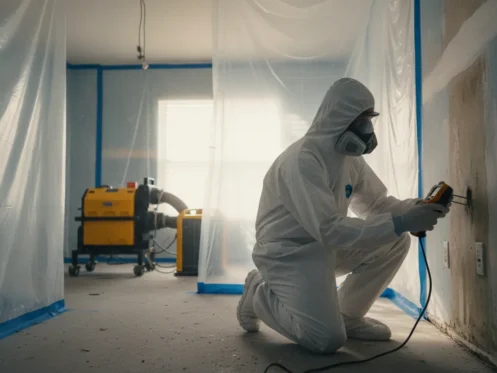
Seeing mold does not automatically mean your home will be disrupted for weeks. Many residential remediation projects can be completed in roughly one to five days, but that range is a planning guide, not a promise. The actual schedule depends on the affected area, moisture source, materials involved, containment needs, and whether repairs are needed afterward.
Schedule a free visual mold inspection and estimate
So, how long does mold remediation take? A limited area may take less time, while extensive growth, hidden moisture, HVAC involvement, or structural damage can extend the project. A professional assessment is the only reliable way to set expectations.
iMold Cleaning and Restoration is available 24/7 across Southwest Florida, with a 30-minute response promise in its immediate service zone. You can start with a no-cost visual mold inspection and estimate, then use the findings to plan each stage with greater confidence.
The biggest timeline differences usually come from conditions that are not visible at first glance. Here is what to evaluate before work begins.
What affects the length of mold remediation?
There is no reliable one-size-fits-all answer to how long a remediation project will take. The schedule depends on what the assessment finds, how much of the property is affected, and what must happen before the space can be restored. Size, severity, moisture conditions, materials, air-handling systems, containment, access, and structural repairs all influence the work plan.
Extent, severity, and the moisture source
A small, localized area generally requires less containment and labor than contamination spread across multiple rooms or a larger property. More extensive or severe growth can require additional preparation, removal, cleaning, and verification. The source of moisture also matters. A leak that is still active, concealed moisture behind a wall, or water categorized as clean, grey, or black can change the order and complexity of the work. Black water contamination contains sewage or other contaminants and typically requires a more intensive process. Read the Southwest Florida mold remediation guide for more context on assessment and response.
Materials, HVAC, and containment
Not every affected building material can be handled the same way. Non-porous surfaces may be candidates for cleaning, while porous materials such as drywall and ceiling tiles may need removal when they are heavily contaminated. That decision can add removal, disposal, drying, and replacement work to the schedule. The EPA notes that material type helps determine whether cleaning or discarding is appropriate: see the EPA remediation guidance.
If mold is present in an HVAC system, professional cleaning is needed to help prevent spores from being distributed through other areas. Containment can also take time, especially when the affected area is large or the work zone is difficult to access. Technicians must establish a controlled work area before disturbing contaminated materials. Tight access, occupied spaces, and the need to protect unaffected rooms may require more careful staging, even when the visible growth appears limited.
Repairs can extend the project beyond cleanup
Remediation is only one part of the overall restoration timeline. Structural damage, damaged framing, wall cavities, flooring, or other building components may require repair after the contaminated materials are addressed. The necessity of structural repairs is one of the main factors that can extend the project. In practice, the schedule may include:
- Assessment of the affected area and moisture conditions.
- Containment and controlled removal or cleaning.
- Drying and treatment of impacted materials.
- HVAC evaluation when contamination involves the system.
- Structural repairs and replacement of removed materials.
A professional assessment should explain which factors apply to your property and set realistic expectations before work begins. The water source, materials, containment needs, and repair scope are more useful for planning than a generic completion date.
How long does mold remediation take in a typical home?
For many residential projects, a practical planning range is one to five days. That range is an estimate, not a promise. The actual schedule depends on what the assessment finds, how much material is affected, whether moisture is still present, and whether repairs are needed after cleanup. A small, contained area may move faster, while hidden moisture or damage behind walls can add work.
The first visit may include moisture mapping, an inspection of accessible areas, and development of a mitigation plan. Professional teams use moisture meters to help identify moisture behind walls or beneath flooring. Visible mold may not show the full scope of the problem. iMold explains its expected timeline during the initial assessment. So homeowners can plan around access, drying, and any necessary repairs.
| Project | Planning range | Main variables |
|---|---|---|
| Limited area. | Shorter end. | Access, materials, moisture. |
| Typical home. | One to five days. | Containment, drying, verification. |
| Severe case. | May take longer. | Hidden moisture, removal, repairs. |
| Large property. | Often more complex. | HVAC, operations, coordination. |
The one-to-five-day residential range is consistent with professional remediation guidance, but it should be used for planning rather than as a completion guarantee. Severe contamination, a larger building, or commercial requirements can extend the schedule. If the affected area is greater than 10 square feet, the EPA recommends hiring professionals rather than treating the project as a routine household cleanup. See the EPA guidance on when professional mold remediation is appropriate.
Remediation is also more than making visible growth disappear. The moisture source must be addressed, affected porous materials may require removal, and the area may need drying and verification before normal use. For a practical overview of timeline and cost expectations, review the related guide. A no-cost visual mold inspection and estimate can provide a more useful schedule for your specific home than any general range.
Day-by-day timeline for a typical remediation project
A professional remediation project is easier to understand when the work follows clear decisions rather than an arbitrary finish-date promise. iMold’s established sequence is the iMold Way: Assess. Contain, Extract, Remediate, and Restore. The initial inspection and plan development can take up to a full day, depending on the property’s complexity. That assessment sets the work area, moisture priorities, and expected timeline. Learn more about iMold’s multi-step remediation process.
For a typical project, the phases may overlap, and drying or verification can change the schedule. A larger affected area, hidden moisture, or structural damage may require additional visits. Here is what the sequence commonly looks like:
- Day 1: Assess and plan. Technicians inspect visible and concealed areas, identify the moisture source, and use tools such as moisture meters to locate damp materials behind walls or beneath flooring. The team documents conditions, determines whether materials can be cleaned or need removal, and explains the proposed scope. This is also the point to discuss access, occupant considerations, insurance documentation, and the expected timeline.
- Day 1: Contain the work area. Once the plan is approved, the affected zone is separated from clean areas. Proper containment helps limit the spread of mold spores while materials are disturbed. Depending on the project, technicians may use barriers, controlled airflow, and negative pressure. This preparation protects the rest of the property and supports a controlled cleanup.
- Day 1 or 2: Extract moisture and filter the air. The team removes standing water or other moisture where applicable, then places drying and air-cleaning equipment. HEPA-filtered air scrubbers are commonly used during professional remediation to remove airborne particles from the contained space. Equipment selection and placement depend on the building, materials, and level of contamination.
- Day 2 or 3: Remediate affected materials. Remediation may involve removing contaminated porous materials, cleaning salvageable surfaces, and carefully treating the work area. The goal is not simply to make visible growth disappear. The crew must address affected materials and conditions within the defined scope while maintaining containment and appropriate protective practices.
- Day 2 through 4: Dry and monitor. Drying is a measured process, not a quick visual check. Technicians monitor moisture levels and adjust equipment as materials release trapped water. Moisture mitigation may require multiple site visits over several days to confirm that materials are fully dry. If the source has not been corrected, the schedule may need to pause while the underlying water issue is addressed.
- Final phase: Restore and document. After remediation and drying, the project moves toward restoration. Depending on the condition of the property, that can include replacing removed materials or completing broader reconstruction. The team reviews the completed scope, documentation, and any verification requirements before the affected area returns to normal use.
Schedule a free visual mold inspection and estimate
This sequence explains why the answer to “how long does mold remediation take” is a range, not a guaranteed number of days. A straightforward job may move through the phases quickly, while extensive contamination, commercial coordination, or repairs can extend the project. A clear assessment gives you the most useful timeline for your property.
Small bathroom mold vs. whole-home remediation: what changes?
A contained bathroom issue and a property-wide mold problem may involve the same goals, but the work plan can be very different. A limited area often allows a crew to isolate one room, inspect nearby materials, and focus on the moisture source. A larger home or commercial property may require more extensive containment, equipment, and coordination across occupied spaces. Property size directly affects containment complexity and can extend the timeline.
Why a small bathroom project may stay focused
When growth is limited to a bathroom, the assessment can concentrate on plumbing, ventilation, drywall, flooring, cabinetry, and adjacent wall cavities. Non-porous surfaces may be cleaned when appropriate. Porous materials, such as heavily affected drywall or ceiling materials, may need removal rather than surface cleaning. The EPA explains that the material type and level of contamination determine whether cleaning or disposal is suitable: EPA guidance on mold remediation and affected materials.
Access also matters. A clear bathroom with visible access is generally easier to contain and inspect than a room where cabinets, tile, built-ins, or stored belongings must be moved. Hidden moisture behind a wall or beneath flooring can add drying, monitoring, and repair steps even when visible growth looks small.
What expands a whole-home or commercial project
Broader contamination can involve several rooms, wall assemblies, insulation, furnishings, or shared air pathways. The crew may need multiple containment zones and controlled movement between affected and unaffected areas. If the HVAC system is contaminated, professional cleaning is needed to avoid distributing spores through the building, expanding the scope of work. Commercial properties can also require phased work to limit disruption.
Structural damage changes the schedule again. Removing affected materials is only one part of the job. The moisture source must be controlled, materials may need time to dry, and damaged assemblies may require reconstruction after remediation. These are separate decisions from simply removing visible growth, so an initial inspection should establish the likely sequence rather than promise an exact completion date.
How to prepare before the assessment
- Identify when you first noticed the odor, staining, or visible growth.
- Point out leaks, plumbing events, roof issues, condensation, or rooms that feel unusually damp.
- Leave affected areas accessible where safe, and avoid disturbing suspected mold before professional guidance.
- Tell the team whether the property is occupied, operates as a business, or includes sensitive rooms and equipment.
For a practical overview of steps involved in professional mold remediation, review the safety process before work begins. A careful assessment gives homeowners and property managers a more useful answer to “how long does mold remediation take” because it accounts for the actual materials. Air systems, access, containment, and repairs involved.
What happens after remediation is complete?
Visible mold removal is an important milestone, but it is not the only measure of a completed project. The next steps focus on making sure the area is dry, the moisture problem is corrected, and the property is ready for its intended use. These checks also help explain why the answer to how long does mold remediation take may extend beyond the days spent cleaning affected materials.
Drying and moisture control come first
Technicians verify that building materials have dried sufficiently, including areas that may not look damaged. Drying can require equipment, monitoring, and more than one site visit when moisture is trapped behind walls, beneath flooring, or in other concealed spaces. Once the affected area is dry, the source of moisture must be addressed. That might involve correcting a leak, improving drainage, repairing a plumbing issue, or resolving an indoor humidity problem. The CDC identifies fixing the water problem as the most important part of mold remediation because mold can return if the moisture source remains uncontrolled: CDC mold cleanup guidance.
Ventilation can support the final drying process by helping lingering moisture evaporate from building materials. It should be managed thoughtfully, however, especially while containment is still in place. The EPA explains that increased ventilation after remediation can help ensure moisture is fully removed: EPA guidance on mold remediation.
Verification and documentation guide the next decision
After cleaning and drying, the project may include a post-remediation verification review. Depending on the property and scope, independent testing can be used to evaluate whether conditions support safe re-occupancy. Post-remediation verification testing is intended to confirm that the environment meets the agreed criteria before normal use resumes, rather than relying only on the disappearance of visible growth. A review of mold remediation practices and verification is available through the National Center for Biotechnology Information.
Keep the inspection findings, moisture readings, work scope, photographs, testing results, and final report with your property records. Clear documentation helps homeowners understand what was completed and gives insurance representatives a better record for claim review. It also identifies any remaining work that belongs to reconstruction rather than remediation.
Reconstruction may be a separate final phase
Removing contaminated or water-damaged materials does not automatically restore the room. Drywall, insulation, trim, flooring, cabinetry, or other building components may need to be replaced after the area passes the required checks. When major structural damage occurred, reconstruction services can add time after remediation. Coordinating these phases helps prevent new finishes from being installed before the moisture and mold concerns are properly resolved. iMold’s restoration approach connects assessment. Remediation, and restoration so the handoff is clear.
Can mold return after remediation?
Q: Can mold return after professional remediation?
A: Yes. Mold can return if the underlying moisture source is not controlled or if new water intrusion creates damp conditions. Proper drying, moisture correction, ventilation, and follow-up verification reduce that risk, but ongoing leak checks and humidity management remain part of responsible property care.
Schedule a free visual mold inspection and estimate with iMold.
How quickly can iMold start emergency mold remediation?
When mold concerns follow a leak, flood, or other property emergency, iMold is available 24/7, with a 30-minute response promise for the immediate service zone. That promise covers the initial response, not a guaranteed project completion time. The length of remediation depends on what the assessment finds, including the affected materials, moisture conditions, containment needs, and any repairs required afterward.
Start by contacting iMold through its 24/7 emergency response service. A technician can discuss the situation, help prioritize immediate steps, and arrange a no-cost visual mold inspection and estimate. During the initial assessment, the team should also explain the expected timeline and the decisions that may affect it. That conversation gives you a more useful plan than an exact promise made before inspection.
What happens during the first assessment?
The inspection looks beyond visible discoloration. iMold uses moisture meters to help identify hidden moisture sources and determine where damp materials may be contributing to the problem. Finding and addressing those conditions is important because cleaning visible growth alone does not resolve the cause. The assessment also helps establish the appropriate containment and remediation approach for the property.
For homeowners and businesses, the first visit is also a practical time to discuss access, occupants, business operations. And documentation needs. iMold coordinates directly with insurance carriers and can support the claims process with project information. This can reduce administrative friction while the restoration plan is being organized, although insurance coverage and approvals remain specific to each claim.
Why the response time is not the completion time
Emergency availability helps move the evaluation and planning process forward quickly. It does not mean every project can be completed on the same schedule. Drying, removal of porous materials, containment, cleaning, verification, and reconstruction may require different steps or additional visits. iMold is licensed. Bonded, and insured, giving property owners a qualified team to assess the situation and explain which work is necessary.
If you see or suspect mold after water damage, request a free visual mold inspection and estimate so the timeline can be based on the actual conditions at your property.
Frequently Asked Questions
How long does mold remediation take?
Many residential projects take about one to five days as a planning range. But the actual schedule depends on the affected area, materials, moisture conditions, containment, and any repairs required. An inspection provides a more reliable timeline than a fixed estimate.
What factors can delay mold remediation?
Hidden moisture, extensive contamination, porous materials that must be removed, HVAC involvement, limited access, and structural repairs can extend the work. Drying may also require more than one visit when materials retain moisture.
Can I stay in my home during mold remediation?
That decision depends on the affected areas, containment plan, work methods, and the needs of household members. Your remediation professional should explain which spaces are restricted and when re-entry is appropriate. Do not enter contained work areas without permission.
Is mold remediation finished when visible mold is gone?
Not necessarily. The moisture source must be corrected to help prevent recurrence, and post-remediation verification can help support a safe return to normal use. The CDC recommends addressing moisture problems as part of mold cleanup: CDC mold cleanup guidance.
Does commercial mold remediation take longer?
It can. Commercial buildings often involve larger areas, more complex containment, occupied workspaces, HVAC considerations, and business coordination. The initial assessment should account for those conditions and establish practical phases for completing the work.
Ready to Schedule Your Mold Inspection?
A clear assessment can help you understand the work involved and plan the next step with confidence. Call iMold to discuss 24/7 emergency mold remediation help or schedule a no-cost visual mold inspection and estimate. Schedule a free visual mold inspection and estimate to talk with the team.