iMold offers 24/7 emergency availability for urgent restoration needs. A drying company may be worth calling when water has spread beyond a small, quickly cleaned spill, materials remain damp, or you cannot tell how far moisture has traveled. In Southwest Florida, a leak, appliance failure, or storm-related water entry can affect floors, walls, and contents. Knowing what to do first, and when to get help, can make the next steps clearer.
Contact iMold for restoration help
What does a drying company do after water damage?
A professional drying company helps assess water damage, remove standing water when needed, and dry affected building materials. The work is more than placing a fan in a wet room. Moisture can travel under flooring, behind baseboards, or into wall cavities. A visible dry surface does not always mean the materials below it are dry.
A restoration team typically starts by understanding where the water came from and which rooms or materials may be affected. It can then use moisture checks to guide the drying plan and equipment placement. The right approach depends on the source and extent of the damage, the materials involved, and whether water is still entering the property.
For example, a puddle on a tile floor may be limited to the surface if it is found and cleaned promptly. But water running beneath a refrigerator or dishwasher can reach cabinet edges, flooring seams, or the wall behind the appliance. A ceiling stain may also mark only one visible point along a longer path. Mapping the affected area helps avoid focusing only on what is easiest to see.
iMold provides water damage restoration services in Southwest Florida. Its restoration work may include water mitigation and drying as part of a broader response. A drying assessment can also help clarify whether additional restoration steps are needed.
How does a professional drying plan develop?
A useful drying plan begins with the cause and history of the water. Be ready to explain when the problem started or when you noticed it, whether the water source has been stopped, and which rooms or belongings were affected. If you do not know how long the area was wet, say so rather than estimating. Those details help the restoration team decide what to inspect first.
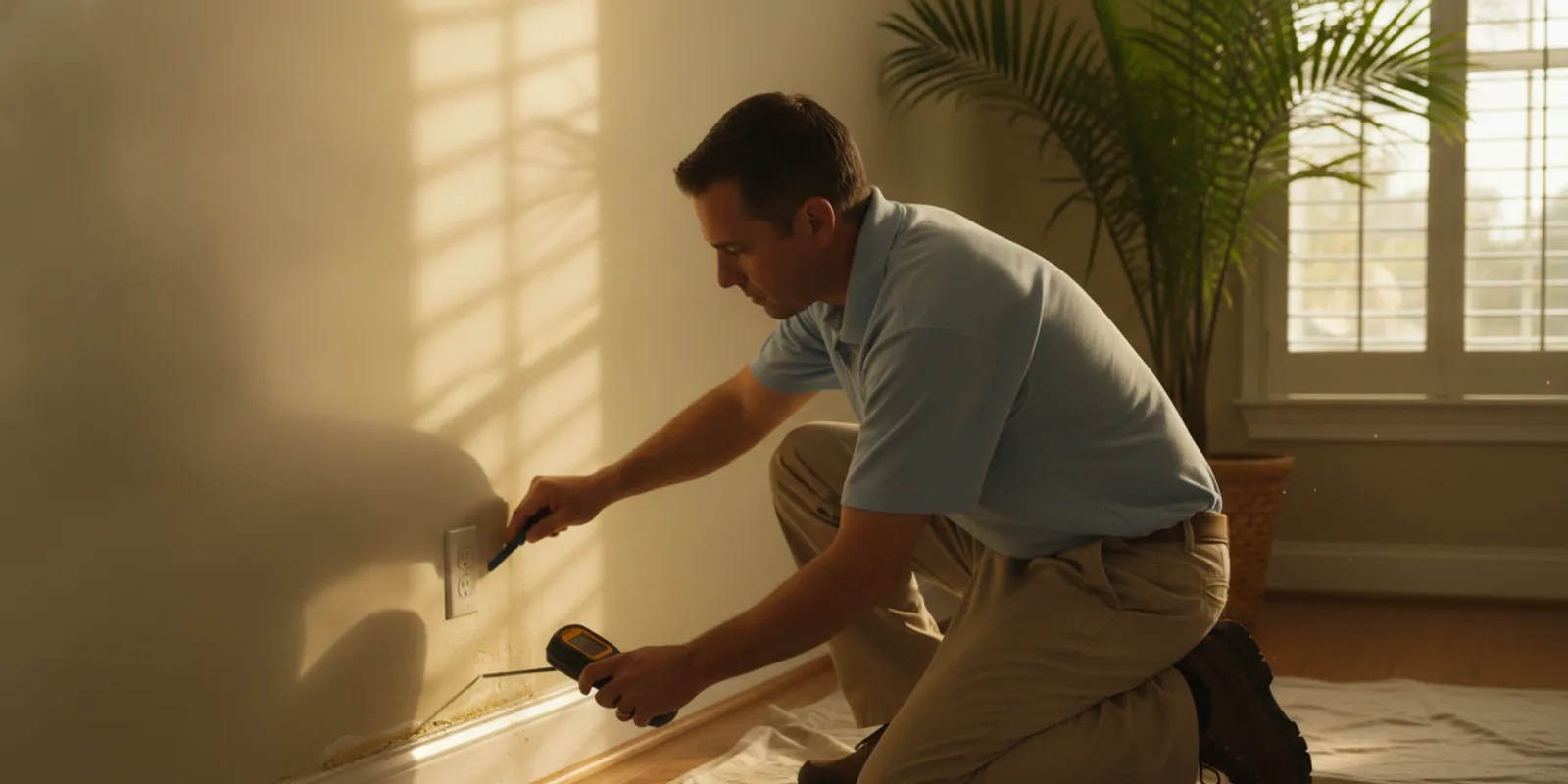
The assessment then connects visible signs with measurements and building materials. A technician may check several points around a wet area, compare affected surfaces with nearby unaffected areas, and look at transitions such as thresholds, baseboards, cabinet toe kicks, or flooring edges. The goal is to understand the likely boundaries of moisture, not just to take a single reading in the most obvious spot. If findings suggest water moved into a concealed space, the provider should explain what that means and what further inspection may be appropriate.
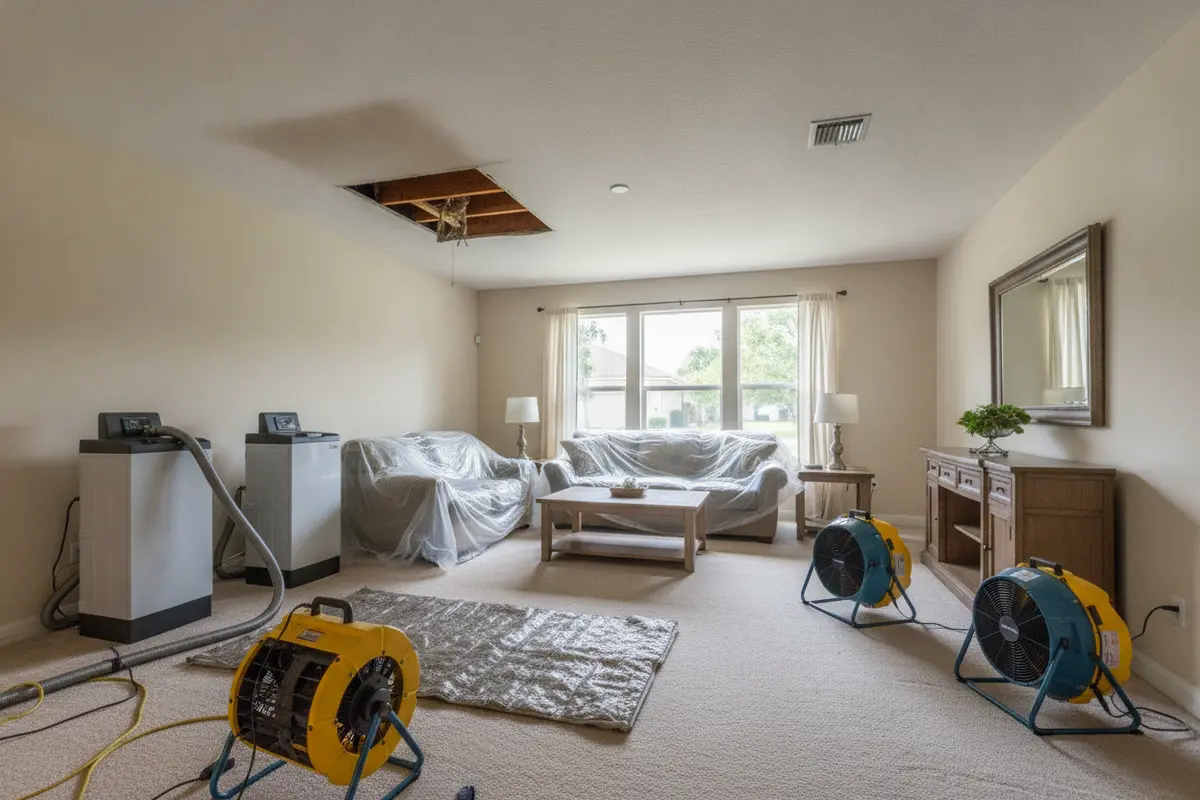
Equipment choices follow the findings. Air movement and dehumidification are common parts of drying, but placement and monitoring matter. One room may need attention near the floor while another may need checks around a wall or cabinet. Ask what each piece of equipment is intended to do, which areas it serves, and how the team will tell whether conditions are changing. A clear explanation lets you understand the plan without having to interpret unfamiliar equipment yourself.
Follow-up is part of the process, too. A drying company should be able to explain how it will check progress and what findings would lead to a change in the plan. Drying time depends on the materials, amount of water, and conditions at the property, so be cautious about a firm timeline before an assessment. A written scope and documented check-ins can help you track what has been done and what remains.
When should you call a drying company?
Consider professional help when water has affected multiple areas, soaked porous building materials, or remained in place long enough that you cannot confidently dry it yourself. A call is also sensible if you see dampness returning, notice a musty odor, or suspect water has moved behind a wall or beneath a floor.
- Water has spread beyond a small surface spill. Water crossing a room, reaching several rooms, or entering flooring and walls can be difficult to manage with household tools.
- Materials still feel wet or look swollen. Buckling flooring, damp drywall, bubbling paint, or soft trim can indicate moisture that needs a closer assessment.
- You cannot locate the full affected area. Water can travel from its source. A ceiling stain, for example, may not show the entire path of a leak.
- The source was a plumbing failure or storm intrusion. First address the source if it is safe to do so. Then assess the affected areas rather than assuming a quick surface cleanup is enough.
- Water reached electrical equipment or you have a safety concern. Avoid standing water near electrical hazards. Leave the area and seek appropriate emergency help when necessary.
- You need a record of the damage. Photos and notes can help you keep track of affected rooms and communicate with your insurer or restoration provider.
For active water intrusion or a situation that cannot wait, iMold offers 24/7 emergency response. Do not wait for a routine appointment if water is continuing to enter the property or there is an immediate safety risk.
What can you safely do before help arrives?
Take practical steps only when it is safe. Stop the water at its source if you can do so without risk. If the leak is from an appliance or plumbing fixture, shut off the relevant valve; if you cannot identify it, use the main shutoff only if you know how and can reach it safely. Do not enter standing water where electrical hazards may be present.
- Keep people away from hazards. Avoid wet electrical equipment, sagging ceilings, and areas that may be structurally unsafe. Contact emergency services when there is an immediate danger.
- Move movable belongings out of the wet area. Relocate items only if doing so is safe and will not spread water or cause injury. Avoid carrying soaked, heavy items alone.
- Photograph what you see. Capture the source, affected rooms, and damaged items before moving or discarding property when possible. Keep the images with your claim records.
- Make a simple list. Note when you discovered the water, what caused it if known, what actions you took, and which rooms or belongings are affected.
- Call for guidance if the affected area is more than you can manage. Describe the water source, how long it may have been present, and what materials are wet. Do not guess at hidden damage.
When you take photos, include a few wider views to show where the damage is in the room, then closer images of stains, wet edges, or damaged possessions. If you move something, note where it was and whether it was already wet. Keep receipts for reasonable emergency purchases and save messages or claim reference details in one place. This simple record can make it easier to explain the sequence of events later.
Avoid covering damp materials or closing off a wet room without knowing whether that could trap moisture. Do not rely on scent, touch, or a household fan alone to confirm that concealed areas are dry. If you are uncertain, ask a qualified restoration professional what to do next.
What is the difference between DIY drying and professional drying?
Small, clean spills on a hard, nonporous surface may be manageable with prompt cleanup and ventilation. Larger or less certain losses call for a more careful assessment. The comparison below is a practical guide, not a substitute for evaluating the specific property.
| Situation | Possible next step | Why the distinction matters |
|---|---|---|
| A small spill on tile, cleaned right away | Dry the surface and monitor it | The water may not have reached absorbent materials or hidden spaces. |
| Water soaked carpet, padding, or a large area of flooring | Contact a restoration professional for an assessment | Moisture may remain below the visible surface and require a measured plan. |
| Water affected walls, cabinets, or multiple rooms | Arrange professional moisture checks | Hidden or spreading moisture can be difficult to evaluate with household tools. |
| Water is still entering or there is a safety hazard | Prioritize safety and seek urgent help | Drying cannot be effective until active water entry or immediate danger is addressed. |
Materials respond differently to water. Carpet can hold water in its fibers and padding; seams may conceal moisture beneath otherwise dry-looking tile or vinyl; wood can swell, and drywall may soften or stain. These signs do not establish what can be saved, but they are reasons to ask for an assessment when the exposure was more than minor. For a small spill, clean and dry the area promptly, then monitor it. If water reached hidden layers or several materials, ask what was checked and whether follow-up is needed rather than judging by the visible surface alone.
Professional drying is not simply about using more powerful equipment. The assessment helps determine where to focus, while follow-up checks help evaluate whether conditions are improving. iMold describes its broader restoration approach in its restoration process.
What should you ask before hiring a drying company?
A few direct questions can help you understand the proposed work and whether it fits your situation. Ask the provider to explain what areas will be checked, how moisture will be measured, what equipment or steps are being considered, and how progress will be evaluated. Request a written scope or estimate that distinguishes assessment, water mitigation, drying, and any later repairs.
- What rooms and materials do you believe may be affected?
- How will you check for moisture beyond the visible wet area?
- What findings will guide the drying plan, and how will progress be checked?
- What work is included now, and what may require a separate restoration or repair step?
- What should I do with belongings and access to the affected rooms while work is underway?
- What documentation can I keep for my records or insurance communication?
It can also help to ask who will be your point of contact and how you will receive updates. Clarify whether you need to move furniture, keep pets out of a room, or leave access to a utility area. If the provider recommends removing or opening a material, ask what prompted that recommendation and whether the work is part of the current scope. The answers should relate to the conditions found at your property rather than a generic script.
Look for clear explanations rather than a one-size-fits-all promise. A reliable plan should connect the observed conditions to the proposed work. iMold is licensed, bonded, and insured, and has 28 years of continuous operation in Southwest Florida. Learn more about iMold and its team before deciding what help is right for your property.
How do insurance and documentation fit into the process?
Coverage depends on the policy, the source of water, and the individual claim. Do not assume that every type of water damage is covered or excluded. Contact your insurer to understand its reporting and documentation process, and keep copies of photos, notes, estimates, and communications.
Before authorizing work, ask what the estimate covers and how additional findings will be discussed. Make sure you understand which work is for immediate mitigation and which work may involve later repairs. iMold coordinates with insurance carriers and can provide information about its insurance claim support.
Documentation supports communication, but it does not determine coverage. The insurer makes coverage decisions under the policy. Keep the restoration provider and insurer updated if the source or extent of damage changes.
What if you notice a musty odor or signs of mold?
Persistent dampness can raise concern about microbial growth, especially when moisture is hidden or a leak has gone unaddressed. An odor alone cannot confirm what is present or where it is coming from. If you see suspicious growth or suspect moisture behind a surface, avoid disturbing the area and arrange an assessment.
The U.S. Environmental Protection Agency provides public guidance on mold and moisture. For additional general environmental information from this government source, visit the EPA website.
iMold provides mold remediation services as well as water restoration. For mold-related concerns, the company offers no-cost visual mold inspections and estimates. A visual assessment can help identify areas of concern; third-party testing may be used for unbiased verification when appropriate.
For additional context on how moisture and mold concerns can intersect, read iMold’s guide to what mold remediation involves. If you are unsure which service applies, describe what happened and ask for guidance rather than trying to diagnose the issue from an odor or stain alone.
Contact iMold to discuss water damage
Frequently Asked Questions
How can I tell whether my home is fully dry?
A dry-feeling surface does not prove that the materials below or behind it are dry. A restoration professional can use moisture checks in affected areas and explain how findings guide the next steps. Keep an eye out for returning dampness, swelling, or a persistent odor, and report changes.
Should I run a fan after a leak?
Air movement may help with a small, safe spill on a hard surface, but it cannot confirm that hidden materials are dry. Do not use fans near standing water or electrical hazards. If water reached flooring, walls, or several areas, ask a restoration professional to assess the situation.
Will insurance pay for a drying company?
That depends on your policy and the circumstances of the loss. Contact your insurer, document what happened, and ask the restoration provider for a clear written description of the proposed work. Avoid treating a general answer as a guarantee of coverage.
Can drying and repairs be handled as one project?
Water mitigation and drying address moisture; repairs restore affected parts of a property. The work may involve separate stages, and the scope depends on what an assessment finds. Ask which tasks are included in the estimate and what would require a separate plan.
Get help when water damage is more than a small cleanup
If water has spread, soaked building materials, or continued to enter your property, a professional assessment can help you understand what needs attention. iMold serves Southwest Florida, including Lee, Collier, Charlotte, Sarasota, and Manatee counties, and provides 24/7 emergency availability. Visit the service area page or contact the team to discuss your situation and next steps.