Black mold vs regular mold is a common concern when a dark patch appears after a leak, storm, or period of high humidity. The practical answer is that color alone cannot tell you which mold species is present or how serious the problem is. In Southwest Florida, the safest approach is to identify the moisture source, avoid disturbing the growth, and arrange a professional evaluation when the area is persistent, spreading, or connected to water damage.
Quick answer: “Black mold” usually refers to the species Stachybotrys chartarum, but many indoor molds can look black, gray, or dark green. Other molds can also cause health concerns. A trained inspection can evaluate the growth, moisture conditions, and affected materials, while testing may help identify the type when there is a specific reason to know it.
What Is the Difference Between Black Mold and Regular Mold?
Black mold vs regular mold is not a precise scientific comparison because “regular mold” is not a single species. Black mold is a common name often associated with Stachybotrys chartarum, while regular mold may refer to any of the many other molds that grow indoors. Both can develop when moisture reaches building materials, and neither should be judged by color alone.
The U.S. Environmental Protection Agency’s mold guidance explains that black mold is not a specific category or species. The Centers for Disease Control and Prevention’s mold guidance also notes that indoor molds occur in many colors and that color does not necessarily show whether a mold is more or less dangerous. This is why a dark surface should be treated as a moisture and building-material concern, not diagnosed from a photograph.
| Question | Black mold concern | Other indoor mold |
|---|---|---|
| What does the name mean? | Often refers to Stachybotrys chartarum, but the nickname is used broadly. | May refer to many species, including molds that appear white, green, gray, brown, or black. |
| Can color identify it? | No. Dark color is not proof of a particular species. | No. Appearance changes with species, surface, age, and moisture. |
| What allows it to grow? | Persistent moisture on suitable materials is a key warning sign. | Moisture, condensation, leaks, flooding, and damp materials can support growth. |
| What should a homeowner do? | Do not disturb a large or spreading area. Find the moisture source and seek an evaluation. | Use the same moisture-first approach. Indoor growth should be addressed promptly. |
Bottom line: the cleanup decision usually depends more on the amount of growth, the material involved, the moisture source, and the conditions in the building than on whether the patch looks black.
Can You Tell Black Mold From Regular Mold by Looking at It?
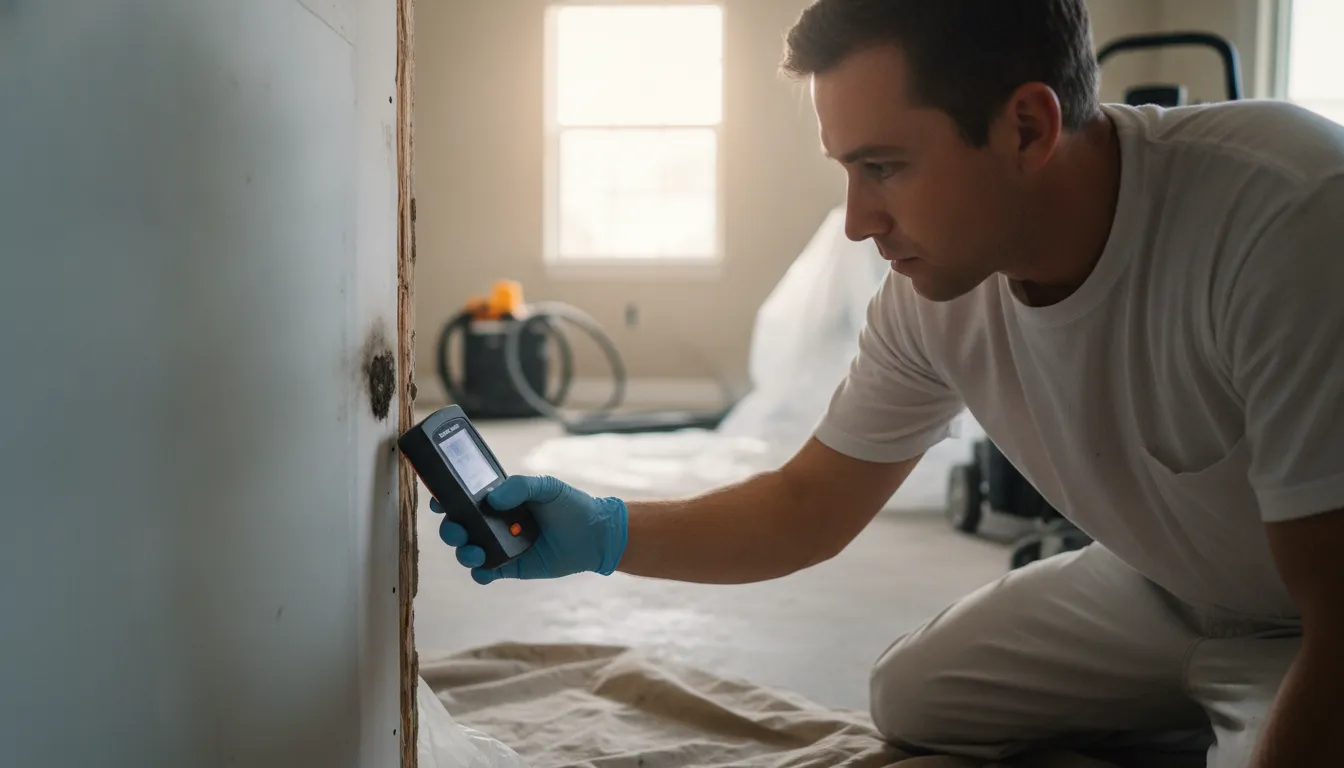
No. Looking at a patch can help locate a problem, but it cannot reliably identify the species. A dark colony may be Stachybotrys, Cladosporium, Aspergillus, another mold, or a non-mold substance such as soot or staining. Even trained professionals use the visual pattern as one part of an assessment, not as a final species diagnosis.
- Color: Black, dark green, gray, and brown growth can overlap across different mold types.
- Texture: Mold may look fuzzy, velvety, slimy, or powdery depending on its age and moisture level.
- Location: Growth near a leak, condensation point, wet drywall, or an air-conditioning component deserves attention.
- Odor: A musty smell can support a moisture investigation, but smell cannot name a species.
- Material: Porous materials such as drywall, insulation, carpet, and wood may hold contamination below the visible surface.
Do not use a bleach test, smell test, or color chart as a substitute for an evaluation. If species identification matters for a real-estate transaction, an insurance question, a sensitive occupant, or a disputed building condition, a qualified third-party tester can explain whether sampling is appropriate. The CDC notes that routine air sampling is not recommended for every building evaluation.
Is Black Mold More Dangerous Than Other Mold?
It is not accurate to label every dark mold as uniquely dangerous or every lighter mold as harmless. Certain molds can produce mycotoxins, and any indoor mold can contribute to irritation or allergic reactions in some people. The CDC states that molds can have different colors and that color does not necessarily indicate greater or lesser danger. People with asthma, allergies, or other health concerns should discuss symptoms with a healthcare professional.
The sensible response is not panic. It is prompt moisture control, careful containment when needed, and an evaluation that considers the whole condition of the space. A professional can help determine whether the issue is limited to a cleanable surface, involves porous materials, or extends into a wall cavity or HVAC system.
For a broader explanation of how mold affects homes and why remediation matters, see iMold’s Southwest Florida mold remediation guide. That pillar covers the larger remediation journey, while this article focuses on comparing black mold concerns with other indoor mold.
Why Is Mold a Particular Concern in Southwest Florida?
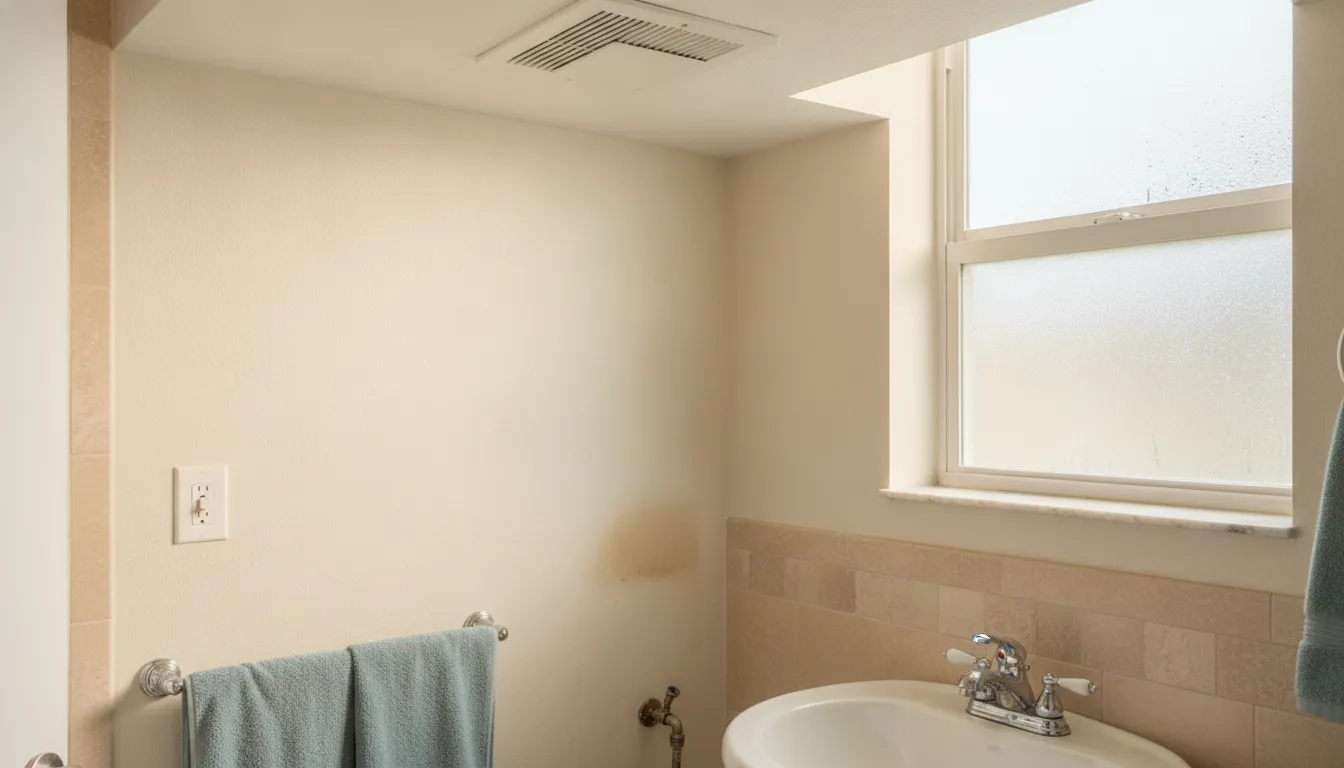
Southwest Florida homes can experience the moisture conditions that mold needs, including high outdoor humidity, air-conditioning condensation, plumbing leaks, roof or window intrusion, and storm-related water entry. A home does not need a basement to develop a mold problem. Bathrooms, laundry areas, closets, cabinets, ceilings, drywall, and air-conditioning components can all be affected when moisture remains unresolved.
According to the EPA’s mold guidance, moisture control is the key to mold control. Wet materials should be dried promptly, and the water source should be corrected rather than covered. In a Florida home, that may mean correcting a plumbing leak, improving ventilation, addressing condensation, drying after a storm, or evaluating hidden moisture behind a wall. If the issue began with a leak or flood, iMold’s water damage restoration team can help address the related water problem as part of a coordinated response.
What Should You Do If You Find Dark Mold?
Start with actions that limit disturbance and prevent the condition from spreading. The right next step depends on the size, location, material, and source of the growth.
- Stop the moisture source: Shut off a leaking fixture when safe, report roof or HVAC problems, and avoid creating additional humidity.
- Leave the area undisturbed: Do not scrape, sand, brush, or use a household fan that could spread particles through the home.
- Protect occupants: Keep children, pets, and anyone with respiratory sensitivity away from the affected area until it has been assessed.
- Document the condition: Take a few photos from a distance and note when the smell, discoloration, leak, or visible growth began.
- Consider testing when it has a clear purpose: A third-party professional may recommend testing for an insurance, real-estate, health, or post-remediation question.
- Arrange an evaluation: A qualified remediator can assess moisture, affected materials, containment needs, and the safest path to restoration.
Small, isolated surface growth is not automatically an emergency, but porous materials, repeated return, hidden moisture, HVAC involvement, or extensive water damage raise the need for professional help. Never paint over a damp or moldy surface and assume the problem is solved.
When Should You Choose Professional Mold Inspection or Remediation?
Professional help is appropriate when growth is spreading, keeps returning, affects drywall or other porous materials, follows a flood or major leak, is inside a wall or HVAC system, or cannot be safely reached. It is also sensible when the source of moisture is unclear or when a household member has heightened health sensitivity.
iMold provides free visual mold inspections and estimates throughout its Southwest Florida service area. The team is licensed, bonded, insured, and includes State Certified Mold Remediator MRSR2170 professionals and IICRC-certified technicians. When testing is useful, iMold can coordinate with an independent third-party provider so verification is not performed by the same party completing the remediation. iMold also works directly with insurance carriers and uses Xactimate documentation when a covered loss is involved.
For an active water or mold emergency in the immediate service zone, iMold offers 24/7 emergency availability and a 30-minute response promise. A no-cost visual inspection is a practical way to replace guesswork with a documented plan.
Get a free mold inspection and estimate from iMold’s certified Southwest Florida team.
Frequently Asked Questions
Is all black mold toxic?
No. Many mold species can look black or dark, and color alone does not prove that a colony is toxigenic. The EPA explains that black mold is not a specific species or category. Any indoor mold growth still indicates a moisture problem that should be addressed, especially when it is spreading or affecting porous materials.
What is the fastest way to identify black mold?
There is no reliable visual shortcut. A professional can inspect the material, moisture source, location, and extent of growth. When species information has a defined purpose, an independent environmental professional can advise whether surface or other testing is appropriate. A photo, odor, or household cleaning test cannot confirm a species.
Can regular mold turn into black mold?
No. One mold species does not change into another because conditions change. However, different molds can grow in the same damp building, and the appearance of an existing colony can change as it ages or dries. If growth returns, the priority is to find and correct the moisture source rather than focus only on its color.
Can mold come back after it is cleaned?
Yes, mold can return if moisture remains. The EPA identifies moisture control as the central part of mold prevention. A lasting solution may require repairing a leak, reducing condensation, drying materials, removing affected porous components, and verifying that the area is dry. Cleaning visible growth without correcting the source often leaves the underlying problem in place.
Should I test for mold before calling a remediator?
Not always. A visible growth and an obvious moisture source may be enough to begin an evaluation, while testing can be useful for a specific insurance, real-estate, health, or clearance question. iMold recommends unbiased third-party testing when testing is warranted. A qualified professional can explain the purpose, limits, and timing before any sample is collected.
How do I know whether dark material is mold or soot?
A homeowner may notice that mold has texture, a musty odor, or a pattern connected to moisture, while soot and dust may be flatter and follow airflow or heat patterns. Those clues are not definitive. If the material is persistent, spreading, or near water damage, have the area evaluated rather than scrubbing aggressively or sealing it under paint.
Call iMold at 877-771-1699 for 24/7 emergency mold and water damage guidance.