

iMold offers 24/7 emergency availability for water damage concerns in Southwest Florida. If water is entering now or the damage may affect electrical systems, stay clear of the hazard and contact appropriate emergency services first. A water restoration company can help assess damage, plan drying, and coordinate next steps once the property is safe.
What should you do when you first notice water damage?
Start with safety, not cleanup. Do not enter standing water if electrical equipment, outlets, or wiring may be involved. Avoid touching wet electrical devices. If you can safely reach the main water shutoff and the leak comes from a plumbing line, turning off the water may limit additional damage. If the source is a roof opening or storm intrusion, do not climb onto a wet roof or attempt a repair in unsafe weather.
Once it is safe, take a few practical steps:
- Move people, pets, and belongings away from the affected area.
- Take photos or short videos of visible water, damaged materials, and the apparent source before moving items, when safe.
- Write down when you first noticed the issue and any steps already taken.
- Do not use household vacuums or electrical equipment in wet areas unless you know it is safe to do so.
- Contact your insurance carrier as appropriate and ask what documentation it needs.
Water can move behind trim, under flooring, and into wall or ceiling assemblies. A surface that looks dry does not always show how far moisture traveled. For more immediate guidance, iMold’s emergency restoration information explains how to reach the team, and the water damage services page outlines the relevant service.
After the immediate hazard is controlled, keep the affected area as undisturbed as practical until it has been documented. If water is dripping from above, place a container beneath it only if doing so does not require entering an unsafe area. Do not pull up flooring, cut into a wall, or discard damaged belongings before taking photos and checking with your insurer about documentation. If you move contents to protect them, note where they were and keep receipts for necessary expenses. These small records can make later conversations about the event and the work easier to follow.
What does a water restoration company do?
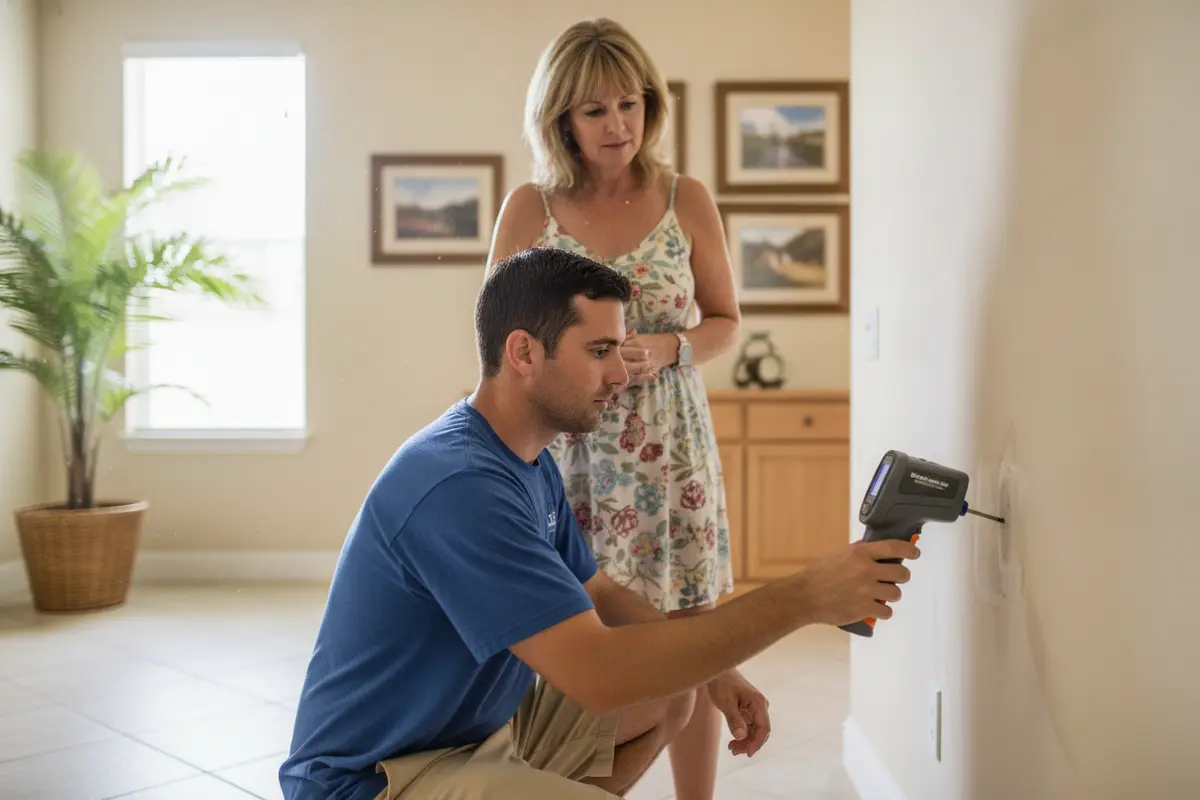
A water restoration company assesses the affected areas, identifies moisture that may not be visible, and recommends steps to address the source and dry impacted materials. Depending on the situation, the work may include water removal, moving or protecting contents, setting up drying equipment, monitoring moisture, and repairing materials after the drying phase. The exact plan should be based on conditions found at the property, not on a one-size-fits-all checklist.
Restoration is not simply placing fans in a room. The team should explain which areas it inspected, what it found, what needs attention first, and how it will check progress. Ask how the company will keep you informed if new moisture or damage is uncovered. A clear explanation helps you understand the work without promising an outcome before the property has been assessed.
During an initial assessment, useful details include where water originated, when it was first noticed, whether the source is still active, and which rooms or floors may be affected. Point out changes you have seen, such as a new stain, a soft area, a damp smell, or flooring that has lifted. Share any earlier leaks in the same location if you know about them. These observations do not replace inspection, but they give the team a timeline and help direct attention to places that may otherwise be overlooked.
Ask the assessor to distinguish observed conditions from assumptions. For example, a wet patch on a ceiling is a visible observation; the route water took above it may require further checking. If access is limited or a material cannot be evaluated without a separate step, ask what is known now and what remains uncertain. This makes the scope easier to understand and gives you a clear basis for follow-up questions.
iMold provides water damage restoration and mold remediation in Southwest Florida. Its established approach, called the iMold Way, is Assess, Contain, Extract, Remediate, and Restore. You can read about the restoration process and the company’s broader service options to understand how related needs may be addressed.
What should you look for when choosing a water restoration company?
Look for a company that can describe its assessment and drying steps in plain language, communicates clearly, and has experience with the kind of property and damage involved. In Southwest Florida, local familiarity can matter because properties and weather-related water events vary. Ask who will be your point of contact and how you will receive updates.
Use questions that lead to specific answers:
- What areas will you inspect, including areas near the visible water?
- How will you determine whether materials are still wet?
- What is the first work you recommend, and why?
- How will you monitor progress and explain any change in the plan?
- What should I avoid doing while work is underway?
- How will you document the work for my records and insurance discussions?
Credentials are another reasonable topic. Ask about licensing, insurance, and relevant professional training, and verify details that matter to your project. iMold is licensed, bonded, and insured, and its team has seven IICRC credentials across restoration disciplines. iMold has more than 900 Google reviews with a 4.9-star average, another way prospective customers can learn about other people’s experiences. The team offers service from emergency response through restoration and reconstruction, with mold remediation and specialty cleaning also part of its broader capabilities. This full-spectrum model can be useful when a water event leads to related repair questions, because you can ask how each stage connects without assuming that every stage will be needed. Learn more about the company’s background on its about page and see its customer feedback on the reviews page.
In addition to credentials, assess how the company handles communication. Before work begins, clarify how often you can expect updates, whether you will receive written notes about progress, and whom to contact if you have a question after hours. If different parts of a project involve different teams, ask who is coordinating those handoffs. You should understand what has been approved, what is still under consideration, and how any added work will be explained before decisions are made.
A company should also be willing to explain what it cannot yet confirm. Water damage may be concealed, and access limitations can affect what is visible during an initial visit. Ask whether the current recommendation is based on a completed inspection or is a preliminary plan. A straightforward answer is more useful than a confident-sounding promise that skips over unknowns.
How can you compare restoration plans?
When you are considering more than one plan, compare the scope and communication rather than relying on a short description or equipment list alone. A written plan should make it possible to understand what the company observed, what it recommends, and how it will check the work. The table below offers a practical way to organize questions; it is not a substitute for an on-site assessment.
| Restoration plan comparison |
|---|
| Assessment What a clear plan explains: Areas inspected, visible conditions, and moisture readings or other findings. Question to ask: Which locations were checked beyond the visibly wet area? |
| Initial actions What a clear plan explains: Work to address active water and protect the property, where safe and appropriate. Question to ask: What should happen first, and what should I leave untouched? |
| Drying and monitoring What a clear plan explains: Equipment placement, the areas being monitored, and how progress is evaluated. Question to ask: How will you tell whether drying is progressing? |
| Documentation What a clear plan explains: Records of conditions, work performed, and communications about changes. Question to ask: What documents will I receive for my records? |
| Repairs and next steps What a clear plan explains: How drying connects to repair or reconstruction and who handles each part. Question to ask: What work is included now, and what may need a separate decision? |
Use the same questions with each company, then compare the answers side by side. Look for differences in the areas assessed, the sequence of work, and how progress will be documented. If one proposal lists equipment but does not explain which locations need it or how the team will evaluate drying, ask for those details. If two plans recommend different actions, ask each company to connect its recommendation to a specific finding rather than choosing based on length or technical wording alone.
Also separate the immediate mitigation scope from later repairs. Water removal and drying address current conditions; reconstruction decisions may follow once materials have been evaluated. A plan should say which tasks are included, which are not, and what would prompt a change. Do not sign an authorization until you understand its scope and how you can raise a question about additional work.
A thorough plan should distinguish what is known from what still needs to be checked. Be cautious about conclusions made without looking at the affected areas, and ask for an explanation if a recommendation is unclear. NDSU Extension also highlights safety and efficient drying as important parts of water-damage recovery in its water-damage recovery guidance.
How do insurance and documentation fit into the process?
Contact your insurance carrier to understand how to report the loss and what documentation it requests. Coverage and claim decisions depend on your policy and circumstances, so do not assume that a particular task or material is covered. Keep your photos, dates, claim details, and written communications together. Save estimates, work authorizations, and records of conversations so you can refer to them when questions arise.
Restoration and insurance decisions are related, but they are not the same thing. Ask the restoration company to describe its observations and the work it proposes. Ask your carrier about coverage, deductibles, and claim requirements. iMold works with insurance carriers, uses Xactimate, and has preferred vendor status with major insurers; that experience can support communication and documentation, but it does not replace your insurer’s coverage decision. More information is available on the insurance claim support page and the insurance information page.
Keep one simple event file, whether on paper or digitally. Include the date and time you noticed the damage, photographs labeled by room, names or reference numbers provided by your carrier, and copies of estimates and approvals. Add a short note after important calls that records the date, who you spoke with, and the next step agreed upon. If you send documents, retain a copy and note when they were sent. A consistent record helps you find details later without relying on memory during a stressful project.
Before authorizing work, read the written scope and ask about anything that is unclear, including how payment is handled and what happens if additional damage is found. Keep the carrier and restoration team updated about changes relevant to the claim, while directing coverage questions to the carrier. This division of responsibilities reduces misunderstandings: the restoration provider explains its observations and work, while the insurer determines how the policy applies.
What can you expect during drying and repair?
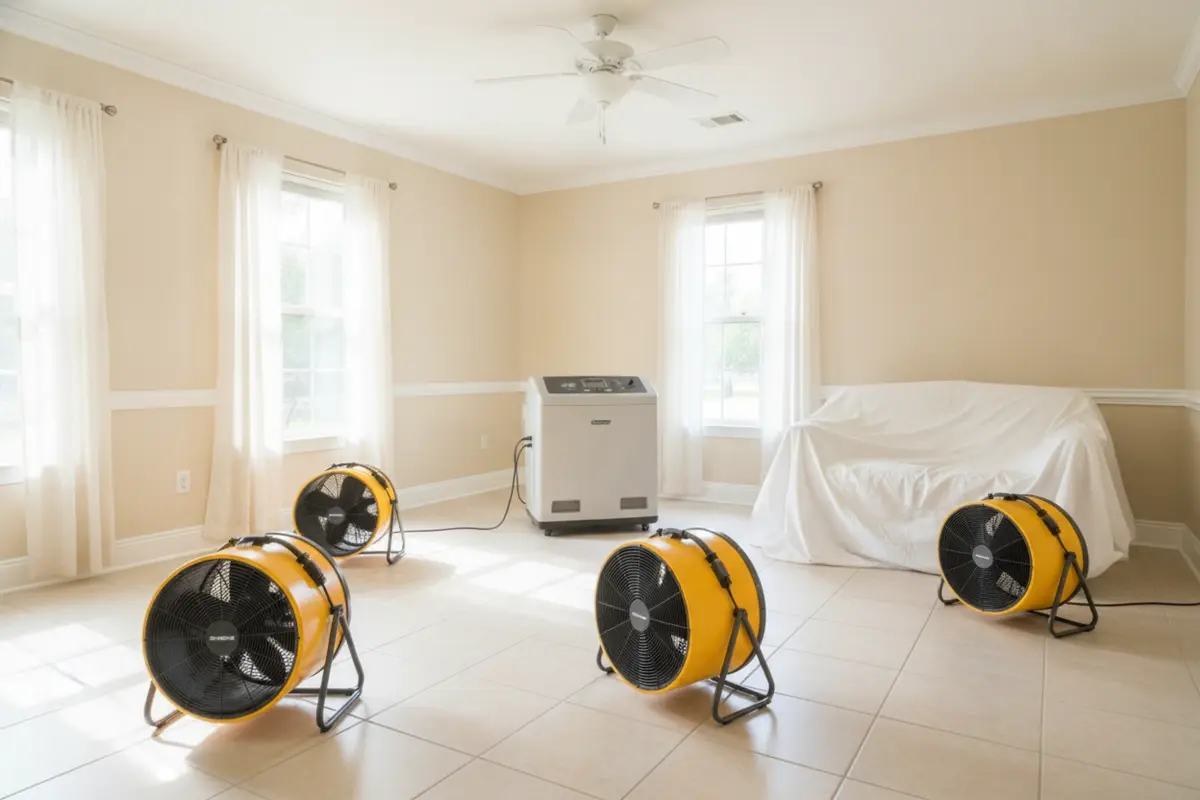
After the initial assessment, a restoration team should explain the recommended sequence of work. Water removal and drying may come before repairs. Materials may need further evaluation as conditions become clearer. If a company uses drying equipment, ask how it will be positioned, what parts of the property it affects, and how the team will monitor conditions. Follow the company’s safety instructions, especially around equipment and areas that are being worked on.
Timelines depend on the property, the water event, affected materials, and what the assessment finds. Ask for updates and for the reason behind any change to the expected schedule. A responsible company should avoid promising a precise finish date before it understands the work. When a project includes repair or reconstruction after mitigation, ask which work is part of the current scope and which decisions remain.
Drying equipment can affect normal use of a room. Ask which areas need to stay accessible, whether doors or pathways should remain clear, and what to do if equipment is accidentally switched off or moved. Do not adjust settings or unplug equipment unless the team says it is safe. If noise, heat, or access creates a practical concern, raise it promptly so the team can explain whether a safe adjustment is possible. Follow any instructions about keeping children and pets away from work areas.
Expect the plan to be revisited as new information becomes available. For instance, a team may identify a damp area beyond the initial visible stain or find that a material requires additional evaluation. Ask what changed, what evidence supports the revised recommendation, and whether the change affects the work authorization or schedule. Request an updated written scope when appropriate so everyone is working from the same information.
For commercial properties, also discuss access, operating hours, and how the work may affect employees, tenants, or customers. For a residence, consider where occupants and pets can safely stay while affected areas are being addressed. iMold serves residential and commercial properties, and its information on industries served can help businesses consider project coordination needs.
When should you ask for professional help?
Consider contacting a professional when water has affected multiple areas, has reached building materials, the source is not clear, or you are unsure whether the property is dry. A prompt assessment can clarify what is wet and what steps may be appropriate. Professional help is also useful when the work requires specialized drying equipment or when you need a documented scope to discuss with your insurer.
Do not wait for a strong odor or visible growth before asking questions about persistent moisture. At the same time, do not assume that every stain means the same thing or that a particular material must be removed without an assessment. If you also have a concern about possible mold, iMold offers no-cost visual mold inspections and estimates. A visual inspection can help identify visible concerns; third-party mold testing may be used for unbiased verification when appropriate. You can learn about the company’s mold remediation services and the Southwest Florida service area.
iMold has served Southwest Florida for 28 years and provides services across Lee, Collier, Charlotte, Sarasota, and Manatee counties, among other areas. If you are unsure whether your address is covered, contact the team rather than relying on a broad regional assumption. For general questions before arranging help, the frequently asked questions page may also be useful.
For a small, isolated spill that has a known source and has not reached building materials, a property owner may be able to take simple, safe steps and watch for further changes. If a surface remains damp, water returns, several materials are affected, or the extent is uncertain, get advice rather than guessing. When in doubt about electrical safety or structural stability, keep clear and contact the appropriate emergency services. The decision to call is about getting a clearer assessment, not assuming the worst.
Contact iMold for a water damage assessment
Frequently Asked Questions
Should I clean up the water before calling a restoration company?
Only take steps that are clearly safe. Keep away from standing water where electrical hazards may be present, and do not use electrical equipment in a wet area unless it is safe. If you can safely stop the source, do so, then document visible conditions and contact a professional for guidance.
Can a room look dry while materials are still wet?
Yes. Water may travel below flooring, behind trim, or into wall and ceiling assemblies. A professional assessment can check areas beyond the visible surface and help determine what should be monitored.
What should I ask a restoration company before work begins?
Ask what areas it assessed, what it recommends first, how it will monitor drying, and what documentation you will receive. Also clarify how changes to the plan will be explained and who to contact with questions.
Will my insurance cover water restoration?
Coverage depends on your policy and the facts of the loss. Contact your carrier directly to report the situation and ask about its requirements. Keep records of damage and work, and ask the restoration company to explain its scope and documentation.
Does iMold offer emergency water damage help?
iMold offers 24/7 emergency availability and water damage restoration in Southwest Florida. Contact the team to discuss the situation, location, and appropriate next step.
Get clear answers for your property
Water damage can create difficult decisions, but a clear assessment and well-explained plan help you take them one at a time. Prioritize safety, document what you can, and ask a qualified restoration company to explain its findings and next steps.

