

iMold offers 24/7 emergency availability for property damage. If water has entered your home or business, a water damage restoration service can help assess what is wet, address the source when possible, and plan appropriate drying and repairs. The first priority is safety; the next is limiting additional damage without putting yourself at risk.
What should you do first after water damage?
Take a moment to identify immediate hazards before moving belongings or trying to clean. Water can conceal electrical risks, affect structural materials, and spread beyond the spot where it first appeared. If you cannot tell whether an area is safe, stay out and contact an appropriate professional or emergency service.
- Protect people first. Keep children, visitors, and pets away from standing water and damaged areas. Do not touch electrical equipment, outlets, or appliances in or near water. If there may be an electrical hazard, do not enter the area to shut off power; contact the utility or emergency services for safe direction.
- Stop the source only if it is safe. If a supply line is leaking and the shutoff is accessible without entering a hazardous area, turn it off. For a roof leak or storm intrusion, do not climb onto a wet roof or use a ladder in unsafe conditions.
- Document what you see. Take photos or video from a safe location before moving items or removing materials. Note when you first noticed the water, what you believe caused it, and which rooms or belongings appear affected.
- Call for help when water is extensive, hidden, or unsafe. Water inside walls, beneath flooring, or across multiple rooms can be difficult to assess by appearance alone. A professional can help determine what needs attention and what the next steps should be.
- Contact your insurer as appropriate. Ask about your policy’s reporting process and documentation requirements. Keep notes of conversations and save receipts for reasonable emergency purchases.
Do not use a household vacuum to remove water, and do not operate fans or electrical equipment where cords, outlets, or appliances may be wet. Avoid mixing cleaning products. If water may be contaminated, leave cleanup to qualified professionals rather than handling it yourself.
When conditions are safe, make a quick record without disturbing the area. Photograph the full room first, then take closer views of affected surfaces and belongings. Include a familiar object in a photo when it helps show scale. Record the time, any steps taken to stop the source, and whether water returned. Keep original photos and avoid discarding damaged items until you have asked your insurer what documentation it needs. If you must move an item to prevent further damage, photograph its original position and make a brief note.
For general environmental and indoor-air information, consult the U.S. Environmental Protection Agency. Conditions differ from one property to another, so general information is not a substitute for an on-site assessment of a specific loss.
When is a water damage restoration service worth calling?
Call for an assessment when water affects more than a small, readily dried surface, when the source is not clear, or when moisture may have reached concealed materials. It is also sensible to ask for professional guidance if water has entered a wall or ceiling, damaged flooring, affected business operations, or returned after an earlier cleanup. A musty odor, visible staining, or soft materials can signal that further evaluation is needed, but a lack of visible signs does not prove that concealed areas are dry.
Some small, clean spills on a nonporous surface may be manageable when the cause is fixed and the area can be safely dried. Even then, watch for changes. If the affected area is larger than expected, the material stays damp, or you are unsure how far water traveled, get advice instead of relying on appearance alone. For urgent property damage, iMold describes its emergency restoration services and maintains 24/7 availability.
Water damage can also raise questions about mold if materials remain damp. iMold provides no-cost visual mold inspections and estimates. A visual inspection can help identify conditions that warrant attention; it is not the same as laboratory testing. When testing is appropriate, third-party testing can provide an unbiased check. Learn more about mold remediation services and the role of an independent mold testing process.
What does restoration involve?
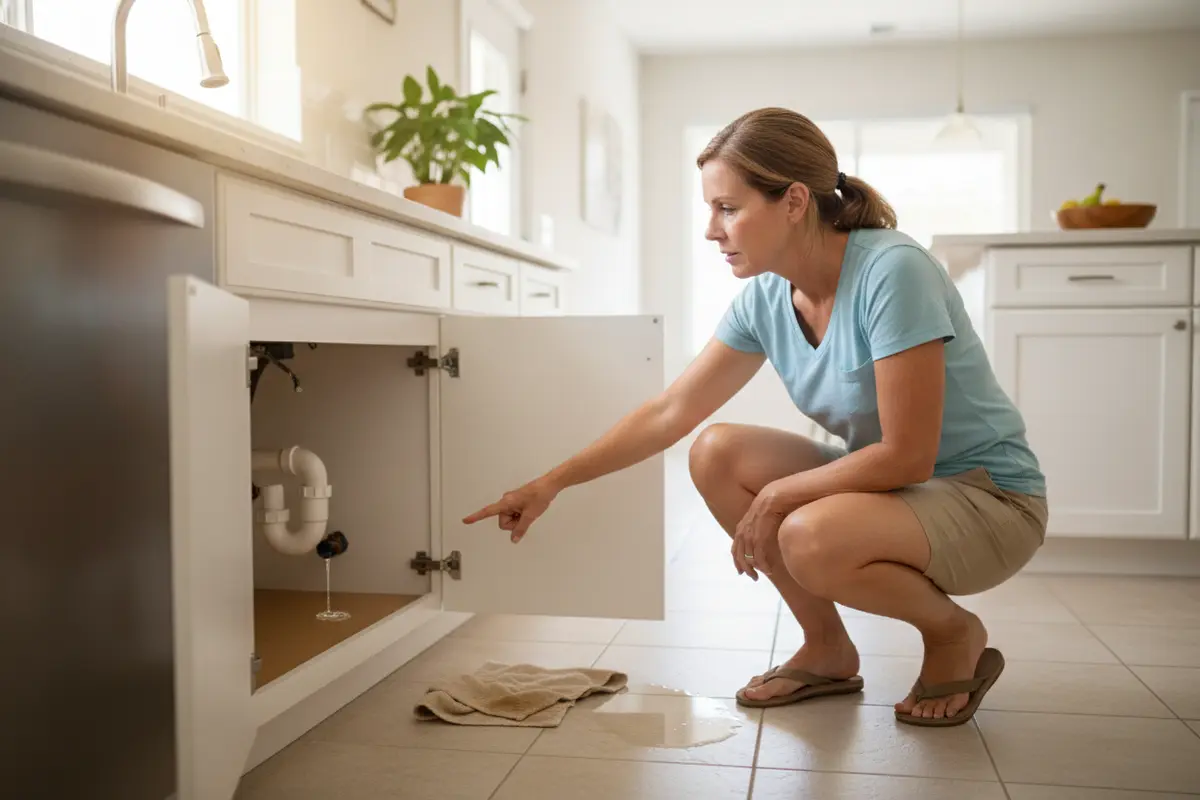
A restoration plan should respond to the source, materials, and extent of the damage found at the property. The work is not simply a matter of placing a fan in the wettest room. Water can travel beneath surfaces or into cavities, and different materials may require different decisions. An assessment helps establish what is affected, what can be dried, and whether damaged materials need another form of attention.
A provider may inspect visible areas, check moisture in affected materials, discuss the likely source, and explain what additional access or evaluation could be needed. Depending on the circumstances, the work may include water removal, managed drying, cleaning, removal of materials that cannot be restored, and repairs or reconstruction. The exact scope should be based on what is observed and explained to the property owner.
Ask the provider to explain how the work will be tracked. Useful details can include the areas being monitored, the equipment being used, what progress checks mean, and what would cause the plan to change. A clear process can help you understand what is happening rather than leaving you to guess from equipment noise or a dry-looking surface. You can review iMold’s restoration process for more context about how the company approaches projects.
| Stage | What may happen | What to ask |
|---|---|---|
| Initial safety and assessment | Identify the suspected source, visible effects, access concerns, and affected rooms. | Which areas appear affected, and are there hazards or limits to the assessment? |
| Water removal and drying plan | Remove accessible water and select a drying approach suited to affected materials. | What equipment and monitoring will be used, and how will progress be checked? |
| Cleaning and material decisions | Determine whether items or building materials can be cleaned and dried or need removal. | What is the reason for each recommended removal or cleaning step? |
| Repairs and completion | Address approved repairs and explain what remains before the work is considered complete. | What work is included, what is outside the scope, and what documentation will I receive? |
This table is a conversation guide, not a promise that every project follows identical steps. A written scope should distinguish assessment findings from work that is still uncertain. Ask for an explanation before approving a change or work you do not understand.
Material decisions deserve particular attention. Carpet, padding, drywall, trim, cabinets, and personal belongings do not all respond to moisture in the same way. Ask the assessor to identify which materials are wet, how that was determined, and whether drying in place is a reasonable option. If removal is recommended, ask what condition makes it necessary and whether the affected area can be documented before it is opened or taken out. For belongings, ask whether items should be moved, cleaned, or left in place until they can be evaluated. These questions help separate a confirmed observation from a precaution or a decision that depends on what is found next.
Also ask how the plan will account for spaces that are not immediately visible. A damp edge near a wall, a ceiling stain below a plumbing line, or flooring that feels different underfoot may point to a wider area than the visible mark. A professional may need to take additional readings or discuss limited access to check the condition. Ask what the next inspection will establish and how its results may change the work. There is no single equipment setup or timeline that fits every property; the explanation should connect the proposed steps to the materials and findings at your home or business.
How can you compare restoration providers?
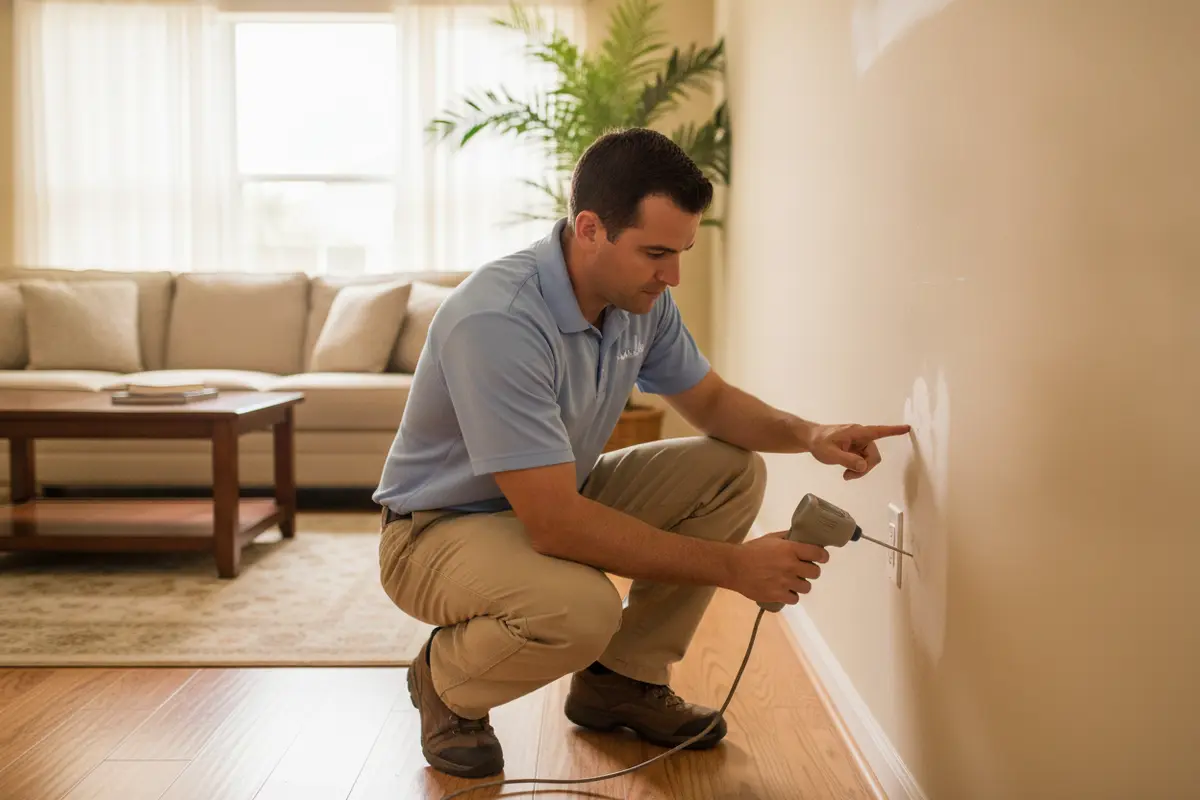
When comparing a water damage restoration service, look beyond a fast phone estimate or a list of equipment. Ask whether the provider can explain the observations behind the proposed scope and how the work will be documented. A useful discussion should make it easier to understand what is known, what still needs checking, and which decisions may depend on what the team finds.
- Ask about qualifications and coverage. Confirm that the company is licensed, bonded, and insured, and ask who will perform the work. iMold’s public credentials include State Certified General Contractor (CGC1540205) and State Certified Mold Remediator (MRSR2170), along with IICRC certifications. Ask the provider to explain its credentials and who will perform the work.
- Request a clear scope. Ask which rooms and materials are included, what work is proposed, and what conditions could change the plan. Ask for the basis of recommendations in language you can follow.
- Understand monitoring and communication. Find out how the team will check progress, how often you should expect updates, and whom to contact with questions.
- Ask about repairs after mitigation. Water removal and drying may be one part of the work. Ask whether needed repairs are included in the proposed scope or handled separately. iMold offers restoration through reconstruction, and its service overview describes its broader work.
- Read the terms before authorizing work. Make sure you understand what you are approving, any exclusions, and how additional findings will be discussed. Do not feel pressured to sign a scope you have not had a chance to review.
Local experience can matter because property materials, weather exposure, and building conditions differ across Southwest Florida. iMold has operated for 28 years and serves the region, including Lee, Collier, Charlotte, Sarasota, and Manatee counties. Its service area information can help you check where the company works. The company’s background and team information is another place to learn about its local experience.
Before choosing, compare like with like. Put each provider’s proposed work, affected rooms, drying or monitoring approach, repair scope, and exclusions side by side. If one plan includes a step another does not, ask each company to explain the difference rather than assuming the more detailed or shorter document is automatically better. Confirm who will answer questions once work starts and how you will be told about new findings. A clear answer is more useful than a broad promise because it lets you understand the decisions being made and what you are authorizing.
How should you handle insurance and documentation?
Restoration work and insurance coverage are related, but they are not the same decision. Your insurer determines coverage under your policy. Report the loss through the channel your carrier specifies, ask what documentation it needs, and keep a record of the claim number and conversations. Save photos, invoices, estimates, and written messages together so you can find them later.
Ask the restoration provider what records it can supply, such as observations, a proposed scope, progress notes, or photos of concealed conditions when access is opened. Before work begins, clarify how the provider will handle discoveries that were not visible during the first assessment. If the insurer requests a particular form or procedure, share that information with the provider and ask how it fits the proposed work.
iMold works with insurance carriers and uses Xactimate for claims documentation. That can support communication about the scope, but it does not decide whether a policy covers a loss. For more on the company’s approach, see its information about water damage insurance claims and ask questions through its frequently asked questions. Keep your own copy of all records and direct coverage questions to your insurer.
During a claim, keep a basic timeline: when water was discovered, when the source was addressed, who was contacted, what the assessor observed, and when work was authorized. Make a separate note of questions that remain unresolved. For example, if a scope mentions removing a section of wall, record what finding led to that recommendation and what documentation will be made before removal. This record can make follow-up conversations clearer, especially if the insurer or a property manager asks you to explain the sequence later. Avoid assuming that a contractor’s estimate or an inspection alone confirms coverage; request a decision from your carrier.
What can you do while waiting for an assessment?
Follow safety guidance and avoid disturbing materials that may be hazardous or unstable. If the area is safe and the water source is stopped, you may be able to move small, unaffected belongings away from the wet area. Do not lift heavy furniture, pull up flooring, or remove building materials if doing so could cause injury or spread contamination. If a room or business area cannot be used safely, keep people out until it has been assessed.
Make a simple room-by-room list: where water appeared, what materials or belongings are affected, when you noticed it, and what actions have already been taken. Note whether water has appeared again after the source was shut off. This gives the assessor a useful starting point and can help you remember questions during a stressful situation.
For a small affected area, keep an eye out for continuing dampness, new staining, odors, or changes in the material. These signs do not establish the cause by themselves, but they are useful details to report. If conditions worsen, water spreads, or a safety concern emerges, step away and seek help.
While you wait, keep access paths clear if it is safe to do so, and gather information that may help explain the event: the location of the apparent source, which rooms are above or beside the affected area, and whether a fixture or appliance was recently used. For a business, note whether the affected space contains equipment, inventory, or areas that must remain accessible for operations. Do not move items into a different room if that could spread moisture or create a hazard. Share what you know with the assessor, but label guesses as guesses. A clear account of what you observed is more helpful than trying to diagnose a hidden leak yourself.
Frequently Asked Questions
How quickly should I call after discovering water?
Contact help as soon as practical when water is spreading, affecting multiple rooms, entering concealed materials, or creating a safety concern. First protect people and avoid unsafe areas. If the issue is a small spill that you can safely dry, monitor it and seek advice if materials remain damp or the extent is unclear.
Can I dry water-damaged materials myself?
It depends on the source, amount, location, and materials involved. A small amount of clean water on a hard surface may be manageable when it is safe to clean and dry. Water inside walls, beneath flooring, or near electrical hazards calls for greater caution. Do not use electrical equipment in a wet area or handle potentially contaminated water yourself.
Does an inspection guarantee my insurance will pay?
No. A restoration assessment can describe observed conditions and proposed work, but your insurance carrier decides coverage under the policy. Contact your insurer about reporting deadlines, documentation, and coverage questions, and keep copies of information from both conversations.
Does a visual mold inspection include laboratory testing?
Not necessarily. A visual inspection looks at observable conditions and is different from sampling or laboratory analysis. If testing is appropriate, ask who will perform it, what question the test is intended to answer, and how the findings will be used.
Learn about water damage restoration
Get help with the next step
Water damage can be stressful, but a clear assessment and a well-explained plan can help you make informed decisions. iMold is a Southwest Florida restoration company with 28 years of local experience, 24/7 emergency availability, and services that extend from mitigation through reconstruction. If water has affected your property, contact the team to discuss what you are seeing and the next appropriate step.

