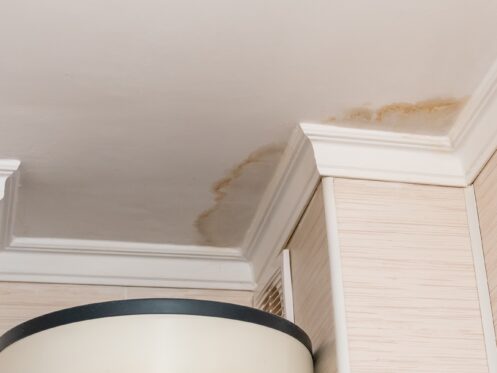
Water leaks can be easy to miss at first, especially when they start behind a wall, under a floor, or near plumbing. What begins as a slow drip can turn into damage, mold, wasted water, and higher bills before you realize what is happening. At iMold, in Fort Myers, FL, we help homeowners track down leaks, understand what caused them, and take the right next step before the problem spreads.
Leaks Rarely Start Where You First Notice Them
One of the hardest parts about water leak detection is that the first sign usually shows up away from the real source. You may notice a stain on the ceiling, warped flooring near a wall, or paint that starts bubbling around a baseboard. The leak itself could be several feet away, moving through framing, drywall, or the subfloor before it becomes visible. That is what makes water leaks so frustrating. The spot you can see is often the result, not the cause.
This is also why small warning signs matter. A faint musty smell in one room, a soft patch in laminate flooring, or a cabinet base that feels damp can point to a leak that has been slowly feeding moisture into the area. Water can travel farther than expected before it finally shows itself. In bathrooms, kitchens, laundry rooms, and near water heaters, that movement can stay hidden for quite a while.
Some Warning Signs Are Easier to Miss Than a Drip
Many homeowners expect a leak to announce itself with a steady drip or a puddle on the floor. Some do, but many don’t. A leak can show up as a sudden increase in the water bill, a patch of grass that stays greener than the rest, or a room that smells stale even after cleaning. You may hear water moving even when you’re not operating a fixture, or you may notice that a wall near a shower feels warmer or cooler than the rest of the room.
If the same cabinet keeps smelling damp, the same floor corner keeps lifting, or the same section of drywall keeps changing color, the plumbing is usually giving you a clue. Leaks under sinks can show up through swollen wood or loose shelf paper. Toilet leaks may reveal themselves through soft flooring at the base. Supply line leaks behind walls can create faint stains that darken a little more after heavy fixture use. The warning signs don’t all look alike, though they usually keep repeating in some form. When moisture shows up in the same area more than once, or when a room keeps feeling off in a way you can’t explain, that’s when leak detection starts making sense as the next step.
Different Leak Locations Create Different Kinds of Damage
Where the leak happens shapes what kind of damage you’re likely to see. A leak behind a bathroom wall often affects drywall, trim, insulation, and flooring around the tub or shower area. A kitchen leak may swell cabinet bases, damage the floor under the sink, or spread into the wall behind the dishwasher. Laundry room leaks can be rough on nearby walls because the water lines are often under pressure and can release a lot of water fast when they fail. Slab leaks are different again because the signs may show up through flooring, lower wall moisture, or warm spots where hot water lines run under the home.
Outdoor leaks offer signs. A buried water line may not give you a stain on a wall, though it can leave soft ground, pooling, or an odd wet patch that doesn’t dry like the rest of the yard. Irrigation-related leaks can be even harder to sort out because people often blame the sprinkler system first and miss that a plumbing line nearby is adding to the problem. Each location changes how the moisture behaves once it escapes. That’s why leak detection is less about hunting for one universal symptom and more about matching the signs in front of you to the plumbing conditions behind them. The more accurately the location is identified, the less unnecessary damage happens when the repair begins.
Your Water Bill Can Tell You a Lot Before the House Does
One of the clearest clues you have a leak is a water bill that starts increasing even though your usage habits have not changed much. That doesn’t always mean a major hidden leak, though it does mean something deserves attention. If your routine is the same and the bill keeps rising, it helps to think about what water could be moving when no one is using it. A toilet can run quietly for days, a supply line can seep inside a wall, or a small underground leak can waste more water than homeowners expect.
The same idea applies if the water meter keeps moving when the house is quiet. You don’t need a dramatic plumbing failure for that to happen. A steady loss from one hidden source can create a bill increase long before it creates visible indoor damage. This is one reason leak detection is not only about protecting walls and floors. It’s also about stopping the ongoing water loss that adds cost month after month. Some homeowners don’t realize there’s a leak until the utility bill forces the issue. Others notice the bill and ignore it because the house still looks dry. Either way, the number on that bill can be one of the earliest signs that water is going somewhere.
Leaks Get More Expensive When Moisture Sits Quietly
The real cost of a leak isn’t always the pipe repair itself. A small plumbing issue becomes much more expensive when water sits in wood, drywall, insulation, or flooring long enough to spread the damage. That is why early leak detection matters. Water doesn’t need a long time to swell cabinet panels, stain ceilings, loosen trim, or soften subfloors. In humid areas of the home, it can also lead to stale odors and conditions that are much harder to clean up once the source has been there for a while.
This is part of what makes hidden leaks so disruptive. You are not only fixing plumbing. You may also be dealing with damaged finishes, flooring replacement, drywall work, or cleanup in areas that should never have become wet in the first place. A leak under a sink can move into the cabinet floor and wall behind it. A small line leak in an upstairs bathroom can stain a ceiling below and travel into insulation before anyone notices. The longer the source stays active, the more parts of the house it can affect. That is why waiting for a leak to become obvious is usually the most expensive version of the story. Once moisture has had time to settle in, the repair is no longer only about stopping water. It is about correcting everything that water changed along the way.
Catch the Leak Before It Spreads
Leak detection is often the first step toward protecting your home from water damage that can keep growing behind the scenes. If you have noticed stains, damp spots, musty smells, rising water bills, or unexplained moisture, it may also make sense to look at pipe repair, slab leak concerns, fixture leaks, shutoff valve problems, and other plumbing issues that can connect to the same source.
iMold handles leak detection along with plumbing repairs. Call us to schedule leak repair service.