

A sewer line clean out is an access point that can help a plumber inspect or clear a building’s sewer line. If you are searching for a sewer line clean out because drains are gurgling or wastewater is backing up, the first priority is to limit contact and get the source diagnosed. When sewage reaches floors, walls, or belongings, plumbing work and restoration cleanup are separate steps that may need coordination.
Call for 24/7 emergency service
What is a sewer line clean out?
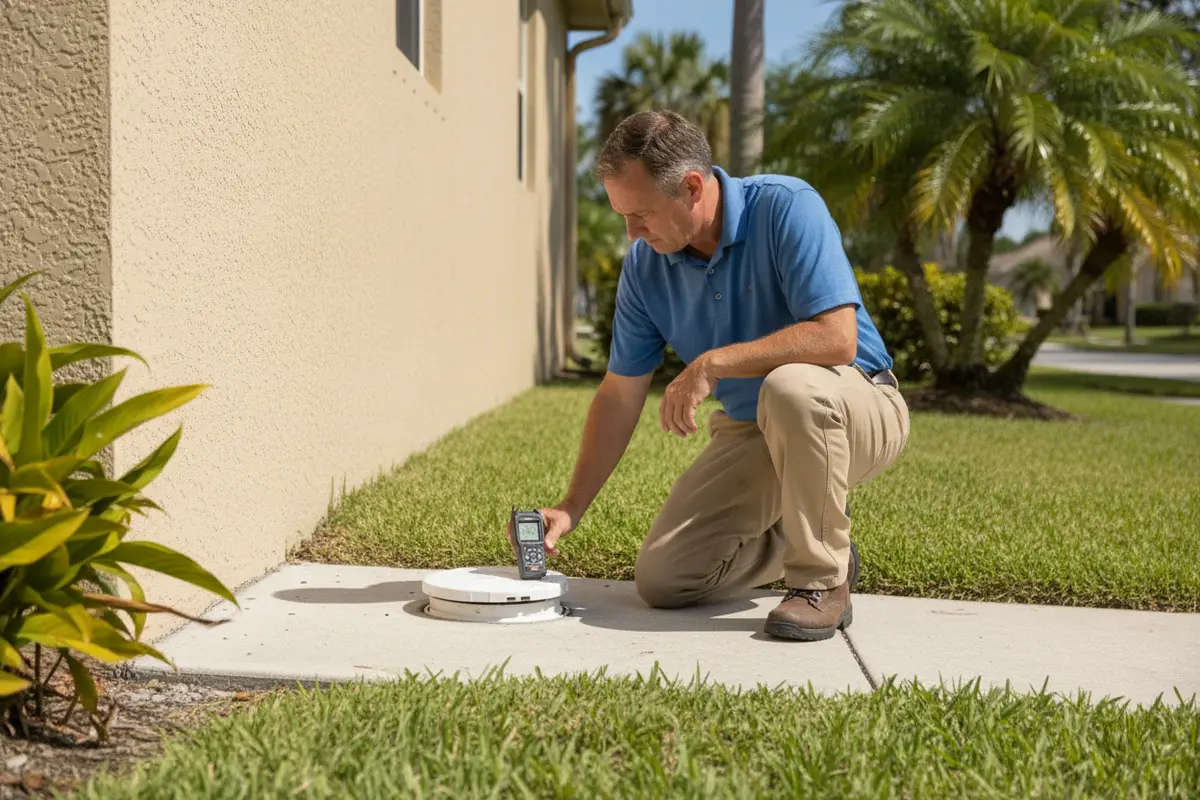
A sewer cleanout is a capped access fitting connected to a building’s drain or sewer line. A plumber may use it to reach the pipe for inspection or clearing. Many cleanouts are outside near a building, but the location and appearance can vary. A capped pipe is not automatically a sewer cleanout, so do not remove a cap unless a plumbing professional has identified it and advised you what to do.
The cleanout itself does not diagnose or repair a blockage. It gives a professional access to the line. The plumber determines whether a clog, pipe damage, or another plumbing issue is responsible and what work is appropriate. If wastewater has entered occupied space, restoration professionals assess and address the resulting contamination and property damage. Clearing the line and cleaning the building are related but distinct jobs.
In a home or business, the visible access point may be near landscaping, a driveway, or an exterior wall. Avoid digging, moving heavy objects, or trying to force a cap. If you can see a suspected cleanout, note its location for the plumber and keep people away from any wet or soiled ground around it.
What signs may point to a sewer line problem?
A slow drain in one sink can be a local fixture issue. Several fixtures acting differently at once can suggest a larger drainage problem, although only a plumber can identify the cause. Notice whether symptoms happen together, whether they are getting worse, and whether wastewater is visible.
- Several sinks, tubs, or toilets drain slowly at the same time.
- Toilets or drains gurgle when water is used at another fixture.
- Water rises in a lower fixture when another fixture drains or a toilet is flushed.
- Wastewater appears in a tub, toilet, floor drain, or other low point.
- An unpleasant drain odor persists or becomes stronger around an affected room.
- A wet patch or unusual pooling appears near an outdoor access point or drain route.
These observations are clues, not a diagnosis. A single fixture can have its own clog, and outdoor wetness can have causes unrelated to the sewer. Write down which fixtures are affected and when symptoms occur. That short timeline can help the plumber distinguish an isolated drain issue from a broader line concern.
If you see sewage indoors, treat the affected area cautiously rather than trying to identify the exact plumbing fault. The U.S. Environmental Protection Agency provides general information about environmental and water concerns at EPA.gov; it does not replace a property-specific assessment or a plumber’s diagnosis.
What should you do before help arrives?
Focus first on preventing additional discharge and keeping people out of the affected space. Do not attempt to open a cleanout or investigate by touching wastewater. These practical steps can help you prepare for the plumber and restoration professional without disturbing the scene.
- Stop using water if a backup is active or suspected. Avoid flushing toilets, running faucets, showers, dishwashers, washing machines, or other drains connected to the affected system. Ask the plumber when normal use can resume.
- Keep children, visitors, and pets away. Close doors or otherwise mark off affected rooms. Do not walk through wastewater or carry wet items through clean areas.
- Leave the cleanout cap in place. A cap may release wastewater if opened, and an unfamiliar fitting may not be the right access point. Let the plumbing professional inspect it.
- Watch for electrical hazards from a safe position. Do not touch wet electrical equipment, cords, or switches. If standing water is near electrical components, stay out and seek qualified help.
- Call a plumber and describe the pattern. Report the fixtures involved, whether water is still coming up, when it began, and whether an outdoor cleanout is visible. Ask whether anyone should stop using water and what access the plumber needs.
- Document visible impact without handling materials. If it is safe, take photos from a dry, clean location. Make a list of affected rooms and belongings, and note when you first noticed the problem.
- Contact restoration help if wastewater reached the property. Explain whether the plumbing issue is ongoing, where the water reached, and what materials appear affected. If the source has not been controlled, say so clearly.
Who handles the pipe, and who handles the property?
A plumber and a restoration professional have different responsibilities. The plumber evaluates the drainage system and addresses the line problem. The restoration team assesses the building materials and contents affected by wastewater, then discusses appropriate cleanup and drying. One provider’s work does not automatically resolve the other concern.
| What you observe | Who to contact | Useful information to share |
|---|---|---|
| Multiple slow or gurgling drains, with no water inside | Plumber | Which fixtures are involved and whether symptoms occur together |
| Wastewater is coming up into a fixture | Plumber promptly | Whether the backup continues and what water use has occurred |
| Wastewater has reached floors, walls, or contents | Plumber and restoration professional | Where it spread, whether the source is controlled, and which rooms are affected |
| The line has been addressed but property damage remains | Restoration professional | What materials remain wet or contaminated and what work has already occurred |
For example, a household may notice that the downstairs toilet bubbles when an upstairs sink drains. If no water has surfaced, the immediate task is to describe the pattern to a plumber and avoid unnecessary water use until advised. If wastewater then appears at a floor drain, the response changes: keep the room closed off, tell the plumber the backup is active, and contact restoration help about the affected building materials.
When the line is not yet controlled, tell both providers. Cleanup planning may depend on plumbing access and whether more wastewater could enter. iMold offers water damage restoration services and emergency restoration services. The team can discuss property damage from a backup, while a plumber handles diagnosis and repair of the sewer line.
Why is sewage cleanup different from an ordinary spill?
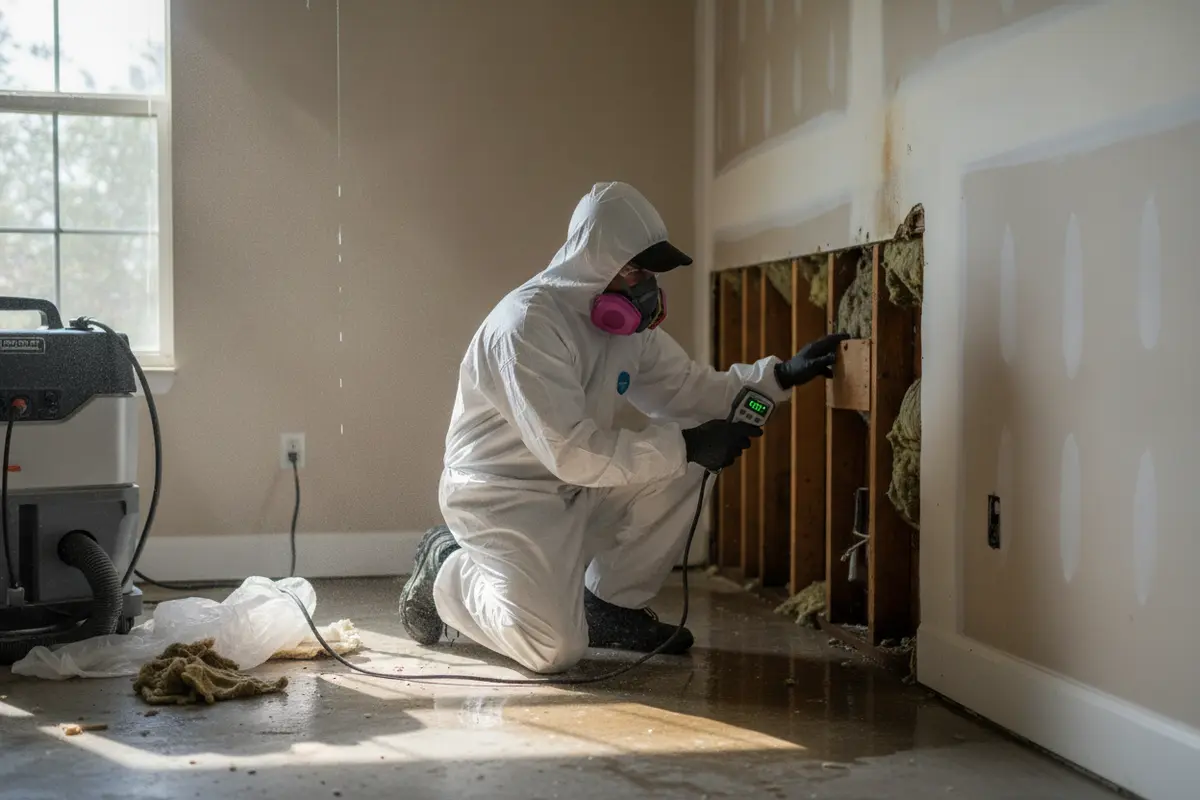
Wastewater from a sewer backup is not the same as a clean-water spill. It may contain contaminants, and the extent of impact can be difficult to judge by appearance alone. Porous materials, seams, and concealed spaces may be affected in ways that are not obvious from the surface. Do not assume that a small visible puddle means only that spot needs attention.
Avoid mopping, vacuuming, deodorizing, or moving contaminated belongings yourself. Do not use household fans or equipment where they could spread contamination or create an electrical hazard. Do not mix cleaners or treat bleach as a substitute for an assessment. Keep the area closed off and ask a qualified professional how to proceed.
A restoration professional can review the affected area, discuss which materials may be cleaned and which may require removal, and plan appropriate cleanup and drying. The steps depend on what happened and what was affected; avoid promising yourself a particular result before the property is assessed. If you are considering an insurance claim, document visible damage from a safe location and ask your insurer what records it needs. Coverage depends on the policy and circumstances.
How can you coordinate plumbing and restoration work?
A clear handoff helps each professional understand what has already happened and what remains. You do not need to diagnose the pipe. Share observations and ask direct questions about the next stage.
Questions for the plumber
- What do you believe is causing the backup, and what did you find?
- Has the line been cleared or otherwise stabilized?
- Is it safe to resume normal water use, and are there limits to follow?
- Will additional plumbing work require access to an affected room or outdoor area?
- Can you tell me what areas should remain accessible while work is underway?
Questions for the restoration professional
- Which rooms and materials appear affected based on the assessment?
- What should remain untouched until the work plan is agreed upon?
- How will cleanup and drying work be documented?
- What access, preparation, or coordination is needed while plumbing work continues?
Share the plumber’s findings with the restoration provider and let the plumber know if cleanup work may affect access. Keep copies of photos, notes, and estimates together. iMold describes its restoration process online; for broader repairs after damage, review its home damage restoration options. For information about the company and its experience, see iMold’s about page.
How do you prepare for the plumber’s visit?
A little preparation can make the first conversation clearer without requiring you to inspect the plumbing yourself. From a dry, unaffected spot, note the order in which symptoms appeared. For instance, record whether a toilet started bubbling before a tub filled, or whether the issue began after several fixtures were used. Include the time you first noticed it and whether anyone used water afterward. These details are observations, not proof of the cause, but they can help the plumber understand the pattern.
Make a short access plan. Tell the plumber where the affected fixtures are, where you saw a suspected cleanout, and which areas are blocked off. Keep pets and other household members away from work areas. Do not move furniture or belongings through wastewater to clear a route; explain the access concern and ask the professional what is safe. If the property is a business, notify the person responsible for facilities and keep staff or customers out of the affected area.
It can also help to gather relevant information without delaying an urgent call: whether the building has had similar backups, what rooms have visible impact, and whether a plumber has already visited. If you do not know, say so. Avoid guessing about the pipe, the cause, or the extent of contamination. A factual account is more useful than a confident but unverified explanation.
How should you think about affected belongings?
Do not sort or clean items in an affected room just to decide what can be saved. Moving wet belongings may spread contamination, and some materials cannot be evaluated properly until the source and the extent of impact are understood. From a safe location, photograph the general scene and make a simple list of visible items. Include the room and approximate location of each item rather than handling it for a closer picture.
Tell the restoration professional about items with special importance, such as work equipment, documents, or furniture that cannot easily be replaced. Ask what should stay in place and what handling is appropriate. Keep receipts or ownership records if already available, but do not put yourself at risk to retrieve them. If you contact an insurer, ask how it wants property details recorded and whether it needs to inspect before items are discarded. The insurer’s instructions and the property conditions govern that process.
What should you avoid after a sewer backup?
- Do not open a suspected cleanout or try to clear a sewer line without a plumbing professional.
- Do not let children or pets enter a room or outdoor area where wastewater may be present.
- Do not touch wet electrical equipment or enter standing water when electrical hazards may exist.
- Do not run a vacuum, household fan, or other equipment in a potentially contaminated area.
- Do not mix cleaning products or use fragrance to cover an odor before the cause is addressed.
- Do not move affected belongings into an unaffected room, since that can spread soil or moisture.
- Do not discard potentially affected items before taking safe documentation, unless immediate safety requires removal.
- Do not assume a drain odor alone proves sewage is present or that a cleanout is the cause.
For planning ideas, consult iMold’s safety and preparedness resources. If you are unsure whether visible water is contaminated, avoid contact and ask a qualified professional. The priority is a safe boundary and an accurate diagnosis, not a quick cosmetic cleanup.
Frequently asked questions
Can I remove the sewer cleanout cap to check for a clog?
It is safer to leave the cap in place and contact a plumber. Opening it may release wastewater, and the fitting may not be the cleanout you think it is. Tell the plumber where you saw it instead.
Does a sewer cleanout clear a blockage?
No. It provides access to the line. A plumbing professional identifies the likely cause and decides how to inspect or clear the obstruction.
Should I call a plumber or a restoration company first?
For drain or sewer-line symptoms, contact a plumber to diagnose and control the source. If wastewater entered the property, contact a restoration professional as well to discuss cleanup. If possible, tell each provider what the other is handling.
Can I clean up a small backup myself?
Do not assume a small amount is safe to handle. Sewer wastewater may contain contaminants. Keep people away, avoid direct contact, and ask a qualified professional how to proceed.
Will insurance cover sewer backup damage?
Coverage depends on the policy and the facts of the loss. Record visible damage from a safe location and contact your insurer or agent to ask what applies. iMold provides information about insurance claims and restoration, but your insurer can explain your specific coverage.
Contact iMold about affected property
Get a clear next step for your property
A sewer line clean out is a plumbing access point, not a cleanup solution. Keep clear of wastewater, ask a plumber to diagnose the line, and contact restoration help when a backup has affected the building so the plumbing and property concerns can be addressed in the right order.

