iMold provides 24/7 emergency service for property damage, and a no-cost visual mold inspection can help you understand what needs attention. If you are comparing professional mold removal providers, look beyond the promise to clean a surface: ask how the company will assess moisture, protect unaffected areas, explain the work, and verify that the underlying problem has been addressed.
Contact iMold to request an inspection
Mold removal is not just a matter of wiping or covering visible growth. The right response depends on where moisture is coming from, what materials are affected, and whether the source can be corrected. A careful conversation before work begins can make the project clearer and help you avoid misunderstandings about scope, access, and next steps.
What should professional mold removal include?
A qualified provider should be able to explain the problem and the work in plain language. That starts with looking at the affected area and the conditions that may be supporting growth. The goal is not to promise that mold can never return; the goal is to address the present issue responsibly and deal with the moisture condition that contributed to it.
Before agreeing to work, ask the provider to describe:
- Which areas and materials appear affected, and what observations support that assessment.
- Whether there are signs of an active leak, condensation, flooding, or another moisture source that needs attention.
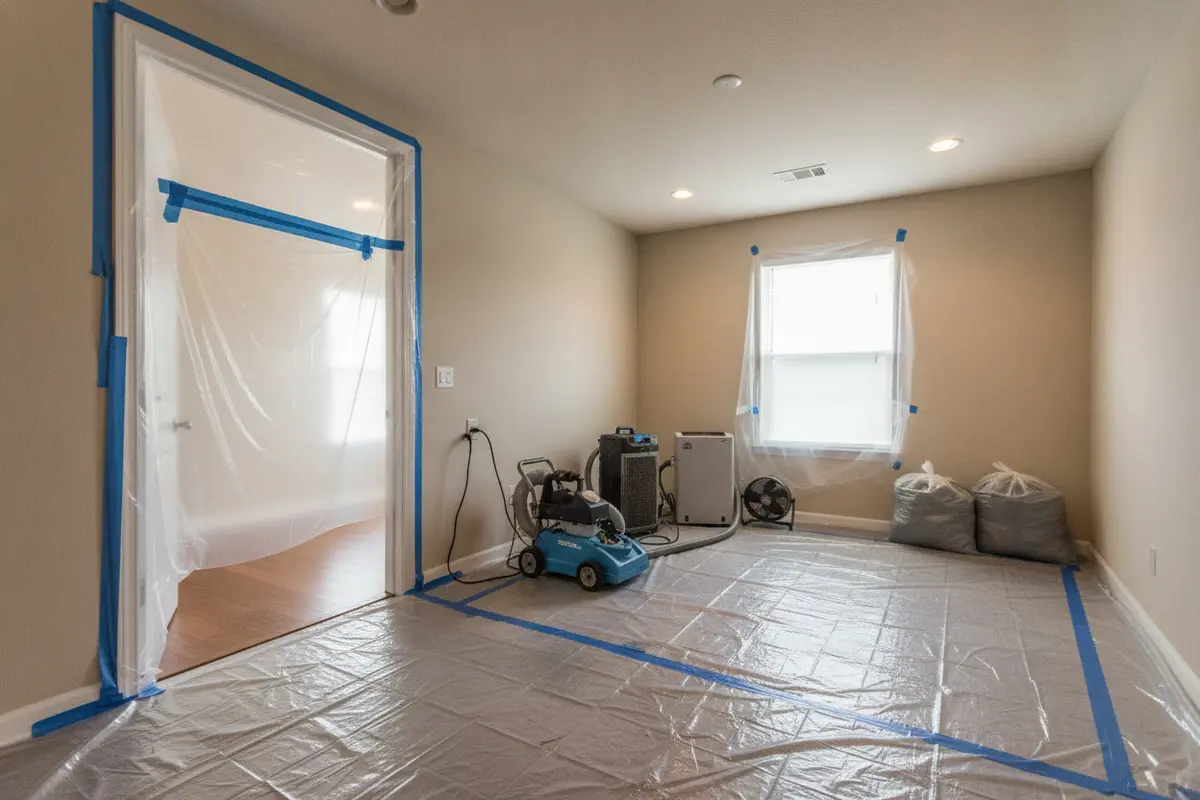
- How the work area will be separated from occupied or unaffected spaces.
- What cleaning, removal, or restoration tasks are included, and what is outside the scope.
- How progress and completion will be documented, and whether any independent testing is appropriate.
Be cautious of a proposal that treats a visible stain as the whole problem without discussing moisture. Also ask what the company cannot determine from a visual inspection alone. A clear answer is more useful than an unsupported guarantee.
How can you check a company’s training and credentials?
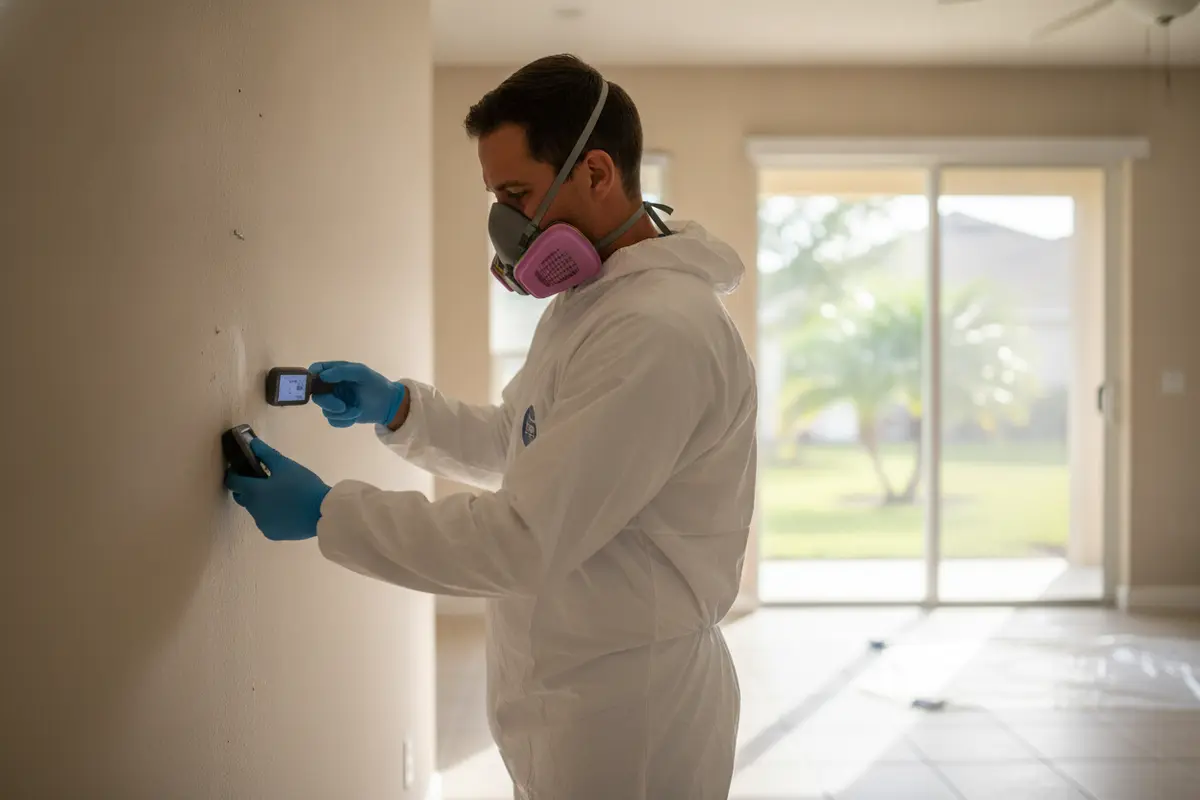
Ask who will perform the work, what relevant training the team has, and which credentials apply to the services in your project. A company should be able to explain the roles of the people on site and provide a straightforward way to verify the qualifications it claims. Do not rely only on a logo, a badge, or a general statement that the crew is experienced.
Texas A&M AgriLife Extension’s guidance on mold removal contractors recommends asking for proof of education or training and checking with the training organizations named by a contractor. Use that as a practical starting point: request specifics, then verify them when the information matters to your decision.
In Florida, you can also ask whether the company is properly licensed and insured for the work it proposes. Confirm that the answer matches the actual scope, especially if the project may involve repairs beyond cleanup. For iMold, the public-facing credentials include State Certified Mold Remediator (MRSR2170) and State Certified General Contractor (CGC1540205). The team has seven IICRC credentials across restoration disciplines. You can review the company’s background and experience and ask how the credentials relate to your specific project.
What should an assessment tell you?
A useful assessment should connect observations to a proposed plan. Ask the provider to distinguish what is confirmed from what is suspected. For example, a discolored patch may be visible, but the extent behind a wall or beneath a floor may not be known until materials are opened or additional investigation is done. A good explanation sets expectations for those possibilities before they become surprises.
Discuss moisture measurement and the limits of what can be seen. Ask which areas were checked, what the readings or observations indicate, and whether the provider recommends additional assessment. If mold testing is discussed, ask what question the test is intended to answer and who will interpret the results. iMold uses third-party testing for unbiased verification when appropriate; testing should help clarify a decision, not be presented as a mysterious hurdle.
Take photos of visible damage before work starts, and keep copies of reports, estimates, and communications. If the property is insured, documentation can also help you communicate with your carrier. iMold coordinates with insurance carriers and uses Xactimate for claims documentation; you can read more about mold damage insurance claims and what information may be useful.
How will the company protect the rest of the property?
Ask how the team will manage the work area. The exact measures depend on the conditions and materials involved, but the provider should be able to explain how it plans to limit disturbance and keep work organized. Ask whether belongings need to be moved, how the team will handle debris, and how access to the area will be controlled while work is underway.
Good communication matters as much as the equipment. Confirm who your point of contact is, when you can expect updates, and how changes in scope will be approved. If the assessment uncovers additional affected materials, the provider should explain the finding and discuss the plan before proceeding with added work.
What questions should the written plan and estimate answer?
Read the proposal carefully and ask for clarification before authorizing work. A useful written plan should make it possible to understand what the company intends to do, where it will do it, and what you will need to decide if conditions change. Avoid relying on a verbal summary if the scope is complex.
| Topic | What to ask | What a clear answer helps you understand |
|---|---|---|
| Assessment | Which areas and materials are included, and what remains uncertain? | The observed issue, project boundaries, and possible discoveries. |
| Moisture | What moisture source may be involved, and who will address it? | Whether cleanup is coordinated with correcting the condition. |
| Work method | How will the work area be managed and affected materials handled? | What happens during the project and how the home will be protected. |
| Documentation | What records, photos, or verification will be provided? | How progress and completion will be communicated. |
| Changes | How will added work or newly discovered damage be discussed? | Who approves scope changes and when. |
Compare proposals by scope and communication, not just by their bottom-line presentation. A lower or higher figure by itself does not show whether the same tasks, materials, or documentation are included. Ask each provider to explain differences in writing. iMold offers no-cost visual mold inspections and estimates; there is no need to commit to work simply to ask what an assessment covers.
How can you compare professional mold removal providers fairly?
Use the same questions with each company. That makes differences easier to spot and reduces the chance of comparing one detailed proposal with another that leaves important items unstated. Consider this short checklist:
- Verify the basics. Ask about relevant training, credentials, licensing, and insurance for the proposed work.
- Understand the findings. Ask what was observed, what is uncertain, and whether further investigation is recommended.
- Connect cleanup to moisture. Find out whether the likely moisture source is included, coordinated, or outside the project.
- Read the scope. Confirm the work areas, handling of materials, property protection, and any exclusions.
- Agree on communication. Identify the contact person and how you will review changes or newly discovered conditions.
- Ask about the finish line. Clarify what documentation or verification you should expect after the work.
A rushed decision can make it harder to understand what you are authorizing. Slow down and ask for clarification if a provider pressures you to sign before explaining the scope, will not put important promises in writing, or cannot say who is responsible for each part of the work. These are reasons to request more information, not proof by themselves that a company is unqualified.
Be cautious when a proposal guarantees a permanent result without explaining the moisture conditions, or when it recommends a test but cannot explain what the result would change. A plan that promises cleanup but ignores an apparent ongoing leak may leave an important issue unresolved. Ask the provider to separate urgent protective steps from work that can wait for your review.
If you are uncertain, get another qualified opinion and compare the written plans side by side. Make sure you understand access requirements, what happens to personal belongings, whether repairs are included, and how you will be notified if hidden damage changes the plan. A calm, specific discussion is a better basis for choosing than pressure or an absolute promise.
Experience in the region can be useful because local properties and weather create recurring water and moisture challenges. iMold has served Southwest Florida for 28 years and handles mold remediation alongside water damage restoration and rebuilding. The company is licensed, bonded, and insured, and has more than 35 certified professionals. Read about the iMold process and the company’s customer reviews as part of your research; then ask questions specific to your property.
What happens if water damage is still active?
If a leak or other water source is ongoing, address that condition promptly and avoid disturbing materials unnecessarily. If it is safe, move items away from the affected area and take photos. Do not enter a space with electrical hazards, unstable materials, or other immediate dangers. Contact the appropriate utility or emergency service when needed.
For active property damage, iMold offers 24/7 emergency response for water damage and restoration needs. Its water damage restoration service can help address the water-related part of the problem, while mold concerns can be assessed as part of the broader situation. If damage involves a claim, ask what records to keep and coordinate next steps with your carrier.
Learn more about mold remediation services
Frequently Asked Questions
Can a mold problem be handled by cleaning the visible area?
Sometimes the visible area is only one part of the issue. The provider should assess the surrounding materials and moisture conditions before recommending a response. Ask what the inspection can confirm and what would require additional investigation.
Should I get mold testing before hiring a removal company?
Testing is not automatically necessary for every situation. Ask what decision the test would inform, who will perform it, and how results will be used. Independent testing may be helpful when it answers a specific question or provides verification.
Will mold removal prevent mold from ever returning?
No responsible assessment should promise that mold can never return under any conditions. Managing moisture is an important part of reducing the chance of recurrence, so ask what source needs attention and whether it is included in the work plan.
Does insurance cover mold remediation?
Coverage depends on the policy and circumstances, so review your policy and speak with your insurance carrier. Keep photos, reports, estimates, and written communication. A restoration company can help document its work and coordinate information, but your carrier determines coverage.
When you compare professional mold removal providers, look for a clear assessment, a written scope, relevant qualifications, and a practical plan for addressing moisture. If you have questions about a property in Southwest Florida, contact iMold to discuss an inspection and the next appropriate step.