

When you are facing house flood repairs in Cape Coral, it can be hard to know what to tackle first. iMold offers 24/7 emergency availability for water damage, with a team that can help homeowners organize the response from initial assessment through restoration. Start by protecting people, documenting visible damage, and getting advice before damaged materials are removed.
Request 24/7 emergency service
What should you do first after a flood?
Before thinking about new flooring or paint, make sure it is safe to enter the affected area. Do not step into standing water if electrical equipment, outlets, or wiring may be wet. If you are unsure whether power is safe, stay clear and contact the appropriate utility or a qualified professional. Avoid touching water when you cannot tell what it contains.
Once you can safely enter, take a moment to record what you see. Photograph and video each affected room, including floors, walls, cabinets, furniture, and belongings. Note when the water entered, when it receded, and any actions already taken. Keep receipts for emergency purchases and temporary work. These records can help you explain the sequence of events to your insurance carrier and restoration team.
- Keep children and pets away from wet areas and equipment.
- Do not run electrical appliances or fans that have been exposed to water.
- Do not discard damaged materials or belongings before documenting them and checking with your insurer.
- If the water source is not clear, do not assume the water is clean or safe to handle.
For urgent property damage, you can review iMold’s 24/7 emergency response information and arrange a conversation about what is happening at your property.
How do you prioritize flood repairs?
A flooded home usually needs a sequence of decisions, not a rush to replace visible finishes. The first priorities are safety, stopping or controlling the water source, removing water where appropriate, and drying affected areas. After that, the team can determine what materials can be cleaned or dried and what needs to be removed before repairs begin.
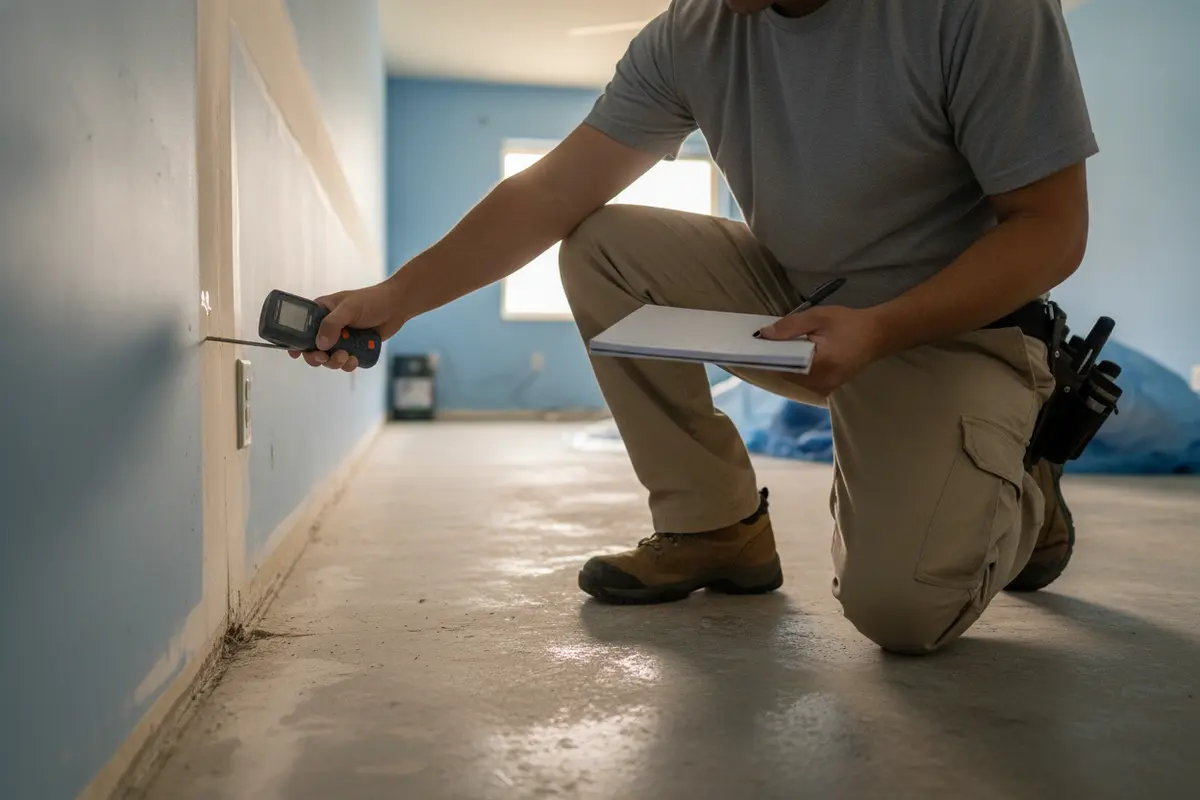
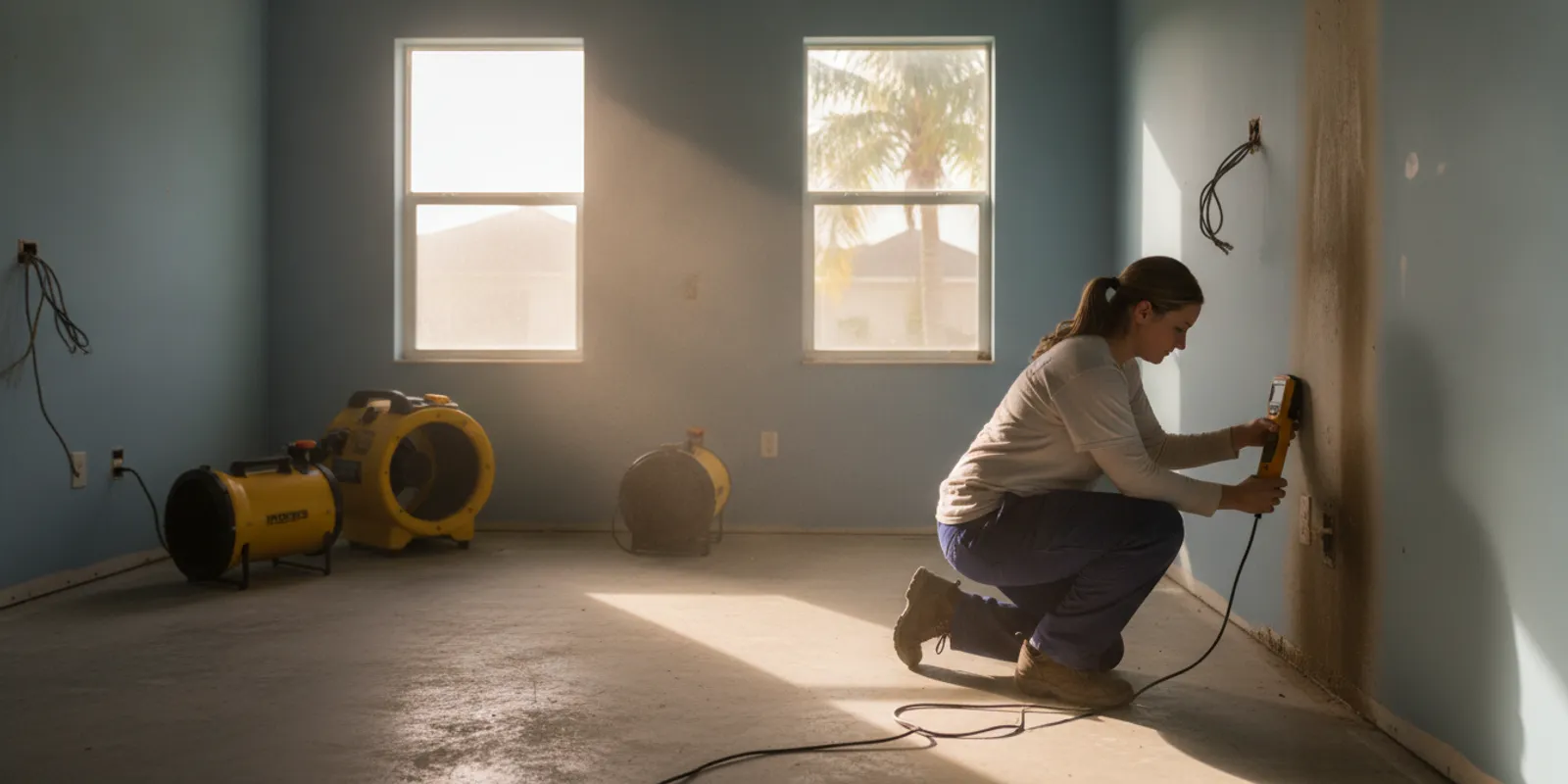
Hidden moisture matters. Water can move beneath flooring, behind baseboards, or into wall cavities. A room may look dry while materials behind or below the surface remain damp. Assessment helps identify the affected areas and plan the next work. Photograph the condition before and during the work, and ask the team to explain what they found and why a particular step is recommended.
| Priority | What to address | Why it comes at this stage |
|---|---|---|
| 1. Safety and source | Keep people out of unsafe areas and address the source of incoming water. | Work should not begin in conditions that may expose people to electrical or other hazards. |
| 2. Document and assess | Record damage, identify affected rooms and materials, and establish a work plan. | A clear record helps guide restoration and insurance conversations. |
| 3. Water removal and drying | Remove water as appropriate and dry affected building materials. | Drying helps prepare the property for decisions about cleaning and removal. |
| 4. Remediation and cleaning | Address materials or areas that require specialized cleaning or mold remediation. | Repairs should not cover unresolved damage or affected materials. |
| 5. Reconstruction | Repair and replace approved building finishes and components. | Rebuilding follows assessment and mitigation, rather than hiding a wet area. |
What should you do with wet belongings?
Separate decisions about contents from decisions about the building. If it is safe, photograph wet furniture, rugs, boxes, and personal items in place before moving them. Do not put belongings in a room that is already dry if they are still wet or dirty. Ask the restoration team which items can be evaluated for cleaning, whether they should be moved, and how to keep a record of what was affected. Avoid throwing items away until you have documented them and checked your insurer’s instructions.
Some items may need a specialist or separate evaluation, especially when the material is porous, delicate, or has been exposed to water of uncertain cleanliness. Do not use a household vacuum on standing water or attempt to clean areas with electrical hazards. Keep a simple list of items and their location, and add photos when you can. These small steps help keep the contents discussion organized while the building is being assessed.
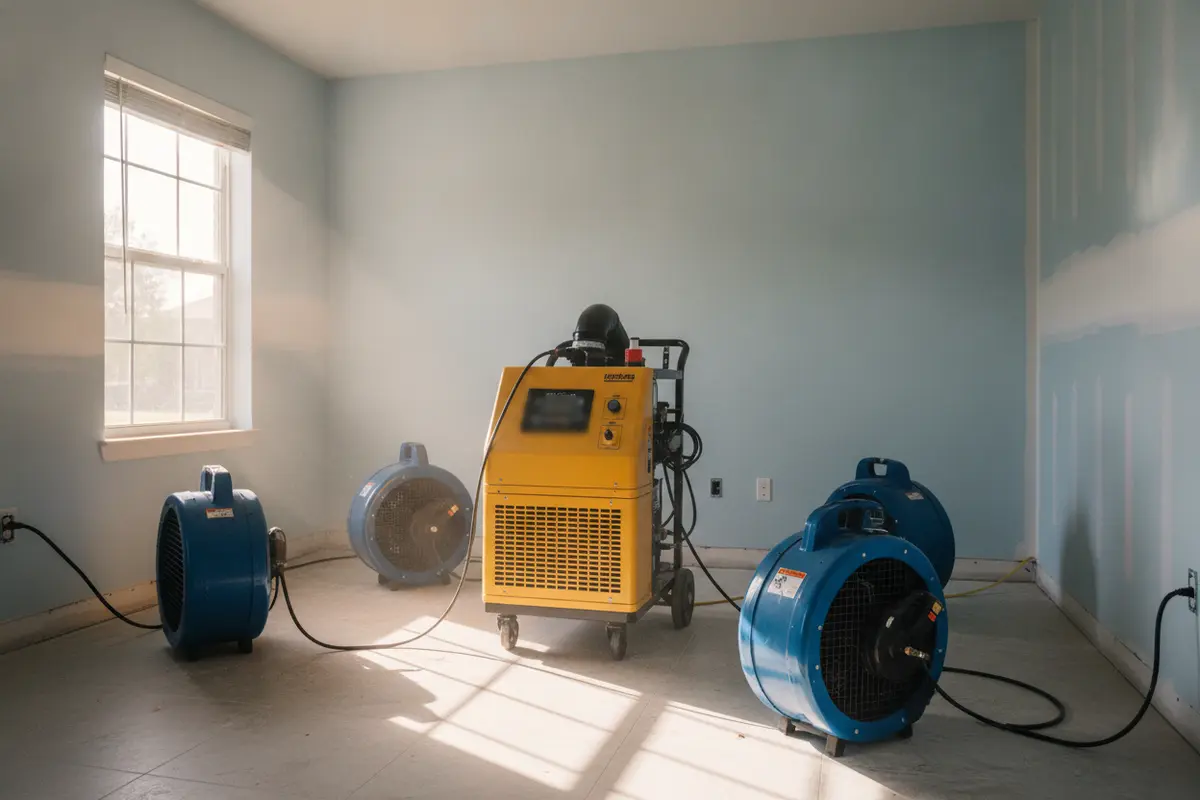
It can also help to divide the home into affected and unaffected areas. Keep the unaffected space clear for daily use and avoid carrying wet materials through it when possible. Follow directions about equipment and access, since moving fans or dehumidifiers may interfere with the drying plan. If you need to move essential belongings, ask how to do so without crossing a work area or creating a safety issue.
The order can differ from one property to another, so ask for an explanation tied to your home’s conditions. iMold’s restoration process describes how assessment and restoration work fit together. For a Cape Coral-specific service overview, see Cape Coral flood repairs.
Why should drying happen before rebuilding?
Replacing a wet floor or patching a wall too soon can leave questions unanswered about moisture in adjacent materials. Drying is not just a matter of making a room feel comfortable. A restoration team assesses the affected area, uses appropriate equipment, and monitors conditions to determine whether materials are drying as expected. If materials cannot be adequately restored, removal may be part of the plan.
Ask what areas are being monitored and how the team will decide that drying is complete. You can also ask which items or building materials may be saved, which need more evaluation, and what conditions would change the plan. Clear answers help you understand the difference between mitigation work and reconstruction.
After water damage, mold may become a concern if materials remain damp. Avoid covering a musty or visibly affected area with paint or new finishes. If you have a concern about mold, ask whether a visual assessment or additional testing makes sense for the situation. iMold offers mold remediation services and mold inspection and testing information. Visual mold inspections and estimates are no-cost.
How do you coordinate insurance and repairs?
Contact your insurance carrier as soon as you can and follow its instructions for documenting the loss and arranging an inspection. Keep copies of claim correspondence, photographs, estimates, invoices, and notes from calls. Ask before disposing of damaged belongings or authorizing work that is not needed to address an immediate safety issue or prevent further damage.
Restoration and insurance work can involve multiple conversations. A clear scope of work, job records, and photographs help everyone understand what was observed and completed. iMold works directly with insurance carriers, uses Xactimate, and has preferred vendor status with major insurers. These details do not replace your policy or your carrier’s decisions, but they can support coordination. Learn more about insurance claims and restoration or iMold’s insurance coordination.
If you need to discuss project payments, ask about available options and how they apply to your situation. Financing information is available from iMold. A custom estimate should explain the proposed work; avoid relying on a generic online figure for a property-specific repair plan.
Do Cape Coral flood repairs need permits?
Permit requirements depend on the property, location, and type of work. In particular, Cape Coral says repairs of structures in a Special Flood Hazard Area require a permit. If your property may be in that area or your project includes structural work, confirm the requirements with the city before work proceeds. See the city’s permit guidance for properties in a Special Flood Hazard Area. A restoration contractor can help identify questions to raise, but the city is the source for local permitting decisions.
Do not assume that every flood-related repair has the same permit requirements. Ask which tasks are mitigation, which are reconstruction, and whether the planned work needs a permit or inspection. Keep written records of approvals and inspection outcomes with your project documents.
How can you choose a restoration team?
After a flood, you may be speaking with several people: an insurer, an adjuster, a plumber or other trade professional, and a restoration contractor. Look for a team that explains what it will assess, how it will document the work, and how it will communicate changes. Make sure you know who to contact with questions and what work is included in the proposed scope.
For a large project, the handoff from emergency response to repairs is important. A full-service restoration provider may coordinate water damage mitigation, mold remediation when needed, specialty cleaning, and reconstruction. That can make it easier to follow the project from the first assessment through the final repair without treating each stage as a separate mystery.
iMold has served Southwest Florida for 28 years and brings water damage restoration, mold remediation, and reconstruction capabilities together. The company reports more than 900 Google reviews with a 4.9-star average. It is licensed, bonded, and insured, and its team is available for emergency property damage work in Cape Coral and throughout the region. Read more about iMold’s local team and experience and see customer feedback on the reviews page.
Before authorizing work, ask for the proposed steps in plain language. Who is documenting the affected areas? How will drying be monitored? What findings would lead to material removal? When does reconstruction begin? Who will coordinate with the insurer? These practical questions can help you compare plans without relying on promises that cannot be confirmed before the property is assessed.
What should you expect from a no-cost estimate?
An estimate is a chance to explain the damage, have the property assessed, and understand a recommended next step. Share your photos, the date of the event, any source information, and the areas you are most concerned about. Point out rooms that smell damp, floor transitions, cabinets, or walls that appear affected even if the visible damage seems small.
Ask whether the estimate covers emergency mitigation, drying, cleaning, removal, or reconstruction, and which items may require further evaluation. Also ask how updates will be shared and how the work will be documented. iMold provides no-cost visual mold inspections and estimates; additional testing or work should be discussed based on the property and the concern.
Frequently asked questions
Should I start repairs before the insurance inspection?
Contact your insurer promptly and follow its instructions. Document the damage before changes when it is safe to do so. If immediate work is needed to address a safety concern or prevent further damage, keep records and receipts and tell your carrier what was done.
Can I stay in my home during flood repairs?
That depends on the affected areas, the water conditions, and the work planned. Ask the restoration team what areas should remain clear and whether any safety concerns affect access. If you are uncertain about the safety of a room, do not enter until you have guidance.
Does every flooded home need mold testing?
No single answer applies to every property. The appropriate next step depends on what is visible, the moisture history, and the questions you need answered. Discuss a visual assessment and whether third-party testing would provide useful, unbiased verification for your situation.
When does reconstruction begin?
Reconstruction generally follows assessment and mitigation, once the affected materials and work plan are understood. Ask your contractor what must be completed before rebuilding and how the team will confirm that the area is ready for the next stage.
A flood can disrupt a home, but a clear sequence makes the next decisions easier: protect people, document the damage, assess and dry affected areas, coordinate with your insurer, and then rebuild. If your Cape Coral property has water damage, contact iMold to discuss the situation and arrange a no-cost estimate.

