After a leak or overflow, many property owners want to know the cost of carpet water extraction before deciding what to do next. A useful answer starts with the scope: how much carpet is wet, what caused the water, whether it reached padding or flooring, and what follow-up drying may be needed. iMold provides 24/7 emergency service in Southwest Florida, with no-cost visual mold inspections and estimates when appropriate.
Why is there no single carpet extraction price?
Carpet water extraction removes liquid retained in carpet and accessible areas. It is one part of a water-damage response, not necessarily the entire job. Extraction is distinct from cleaning, drying, removing and reinstalling carpet, or repairing a floor beneath it. An estimate should identify the work proposed for the conditions found, rather than treat every wet room as the same project.
A visible wet patch can understate the affected area. Water may travel below carpet, through pad, or along the floor to a doorway or wall. A recent spill on a small, accessible area can call for a different plan than a leak that spread across rooms or remained unnoticed. The source also matters because water quality affects safe handling and what materials may be suitable to keep.
There is a difference between a price for routine carpet cleaning and a restoration scope after water damage. A public county contract, for example, lists carpet-cleaning work under its own purchasing terms. It does not establish a household restoration rate or tell a property owner what drying and material handling a specific loss requires. This county carpet-cleaning contract illustrates why a quoted service is meaningful only alongside its defined scope.
What factors shape the cost of carpet water extraction?
When reviewing a quote, look for the conditions that explain the work, not just a room count. These details can change how much labor, equipment, and follow-up are involved:
- Area and water spread: The amount of wet carpet matters, but the visible edge may not show the full wet area. Ask how the affected boundary was identified and whether adjoining rooms or transitions were checked.
- Water source and condition: A clean supply-line leak differs from water that may contain contaminants. Explain what happened and whether the source is still active. The response may require different precautions or material decisions.
- Time wet: A newly discovered leak may differ from ongoing moisture. Share when it began, when you noticed it, and whether the carpet has been wet before.
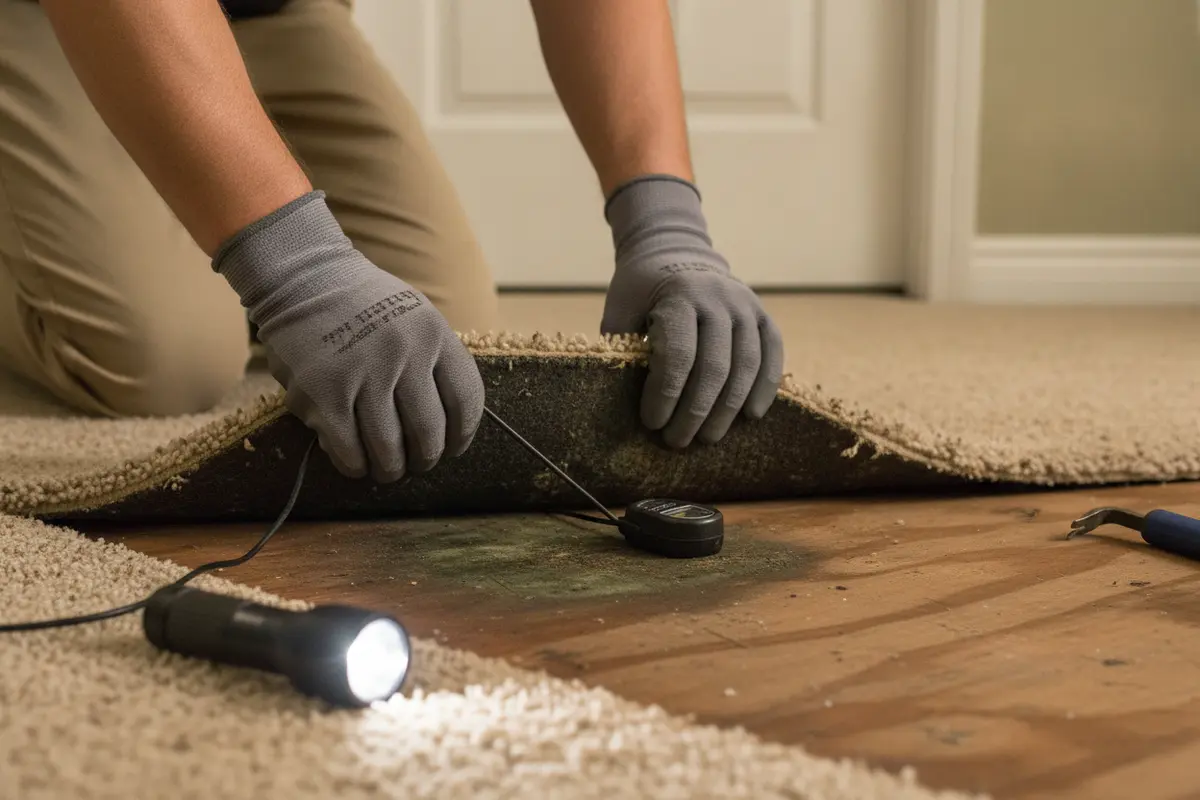
- Carpet and padding construction: Fiber, backing, pad thickness, installation, and condition affect whether the assembly can be dried in place or needs to be lifted or removed.
- Materials below and beside the carpet: Moisture can affect subfloor, baseboards, drywall, or nearby flooring. Surface extraction alone may not address moisture in those materials.
- Access and contents: Stairs, built-ins, tight spaces, and furniture can affect access. Tell the estimator what can be moved safely and what should remain undisturbed.
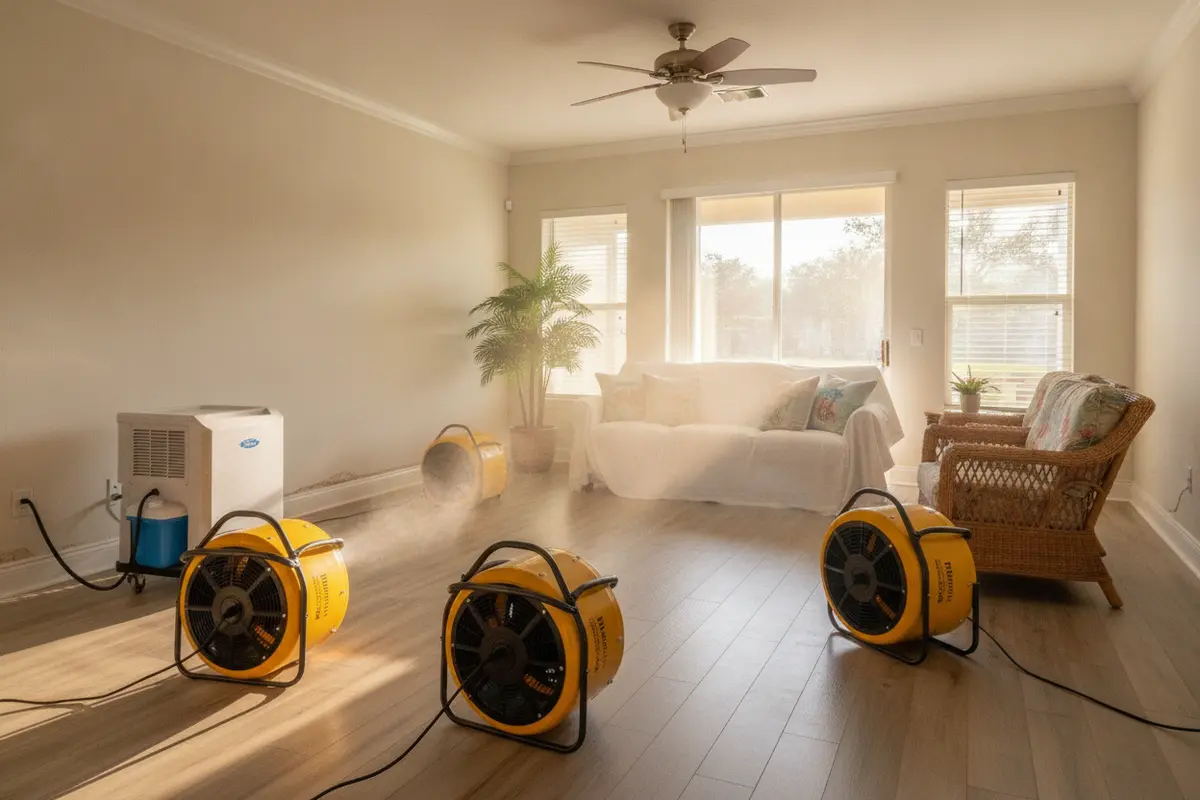
- Drying and monitoring: Extraction may be followed by air movement or dehumidification and checks on drying progress. Clarify whether this is included, how long equipment may remain, and what follow-up is planned.
- Separate cleaning or repair: Cleaning, disposal, carpet reinstallation, and flooring repairs may be separate phases. Ask which are included now and which would require a later scope.
What might a water extraction quote include?
A useful proposal connects each task to a material or condition. Ask for the affected rooms, the work planned, and any limits or assumptions to be written down. The table below is a checklist for discussion, not a promise that every item belongs in every project.
| Possible work item | What it addresses | Question to ask |
|---|---|---|
| Inspection and scope | Visible wet areas and likely affected materials | Which rooms, surfaces, and boundaries are included? |
| Water extraction | Standing or retained water in carpet or accessible areas | Is extraction limited to carpet, or are other surfaces included? |
| Carpet and pad handling | Whether materials stay in place, are lifted, or are removed | What conditions support that recommendation? |
| Structural drying | Moisture in flooring, walls, or other building materials | What equipment and progress checks are included? |
| Cleaning or restoration | Cleaning, reinstallation, disposal, or repair after mitigation | Is this part of the current estimate or a later phase? |
Ask how a change in conditions would be handled. For example, if lifting carpet reveals moisture in the pad or subfloor, the provider should explain what was found, what additional work is recommended, and whether you will receive a revised scope before it proceeds. For broader context, review iMold’s water damage restoration services.
Can wet carpet be saved?
Sometimes carpet can be dried and kept. There is no universal rule based only on how wet it feels. The water source, time wet, carpet and pad materials, and condition of the floor below all matter. A surface that feels dry can still have moisture underneath, while wet carpet is not automatically beyond saving.
Ask the professional to explain whether the recommendation applies to the carpet, pad, or both. If removal is proposed, ask whether the subfloor will be checked and how the next step will be decided. Be cautious of blanket assurances that every carpet can be saved or that every wet carpet must be replaced; the plan should reflect the actual assembly and conditions.
Extraction also does not fix the source. If a leak remains active, stop it only if it is safe to do so and arrange for the plumbing or building issue to be repaired. Otherwise, water can continue entering while drying is underway.
What should you do while waiting for help?
Simple preparation can protect people and make the assessment more useful. Do not take risks to save belongings or document the scene.
- Put safety first. Keep away from water near outlets, appliances, or wiring. Do not enter an area if electrical safety is uncertain.
- Stop the water only if safe. Shut off an accessible fixture or supply valve if you know how and can do so safely. Contact an appropriate repair professional if the source is unclear.
- Move small belongings. Take lightweight items out of the wet area if doing so is safe. Avoid dragging heavy furniture across wet carpet or lifting items that could injure you.
- Record what you see. Take a few photos of the visible water and affected belongings for your records, but do not delay urgent mitigation to do this.
- Note the timeline. Write down when the water began or was discovered, the suspected source, which rooms are involved, and whether the area has been wet before.
- Avoid assumptions from surface appearance. Household equipment may not reach moisture below carpet. Ask what is safe in your situation instead of relying on a fan or improvised removal as a complete solution.
iMold’s emergency restoration response information can help you understand how to get assistance. If water may have spread beyond what you can see, mention that when you call.
How can you compare carpet water extraction quotes?
Compare the proposed work, not just the headline number. One estimate may cover extraction only; another may include equipment, monitoring, or checking adjacent materials. Neither label alone tells you whether the scopes match. Put the proposals side by side and note what each includes, excludes, and assumes.
- Does each estimate identify the rooms and materials being addressed?
- Does it explain how the wet boundary was assessed and whether water under carpet will be checked?
- Are equipment placement, follow-up visits, and monitoring included or listed separately?
- Are cleaning, removal, disposal, reinstallation, and repairs included or excluded?
- What could change the scope after work begins, and how will changes be explained?
- What documentation will be provided for your records or insurer?
A simple comparison can prevent misunderstandings. If one proposal says “extraction” and another says “mitigation and drying,” ask each provider to describe the actual tasks and affected materials in plain language. Request clarification on equipment duration, any daily or follow-up charges, and what completion means. Do not assume two quotes cover the same work because the totals or room labels look similar.
iMold works with insurance carriers and uses Xactimate for documentation. Coverage depends on the policy and circumstances, so ask your insurer about coverage, deductibles, and notice requirements. iMold’s insurance claims information explains how documentation can fit into the process. For payment questions, you can also review financing information; ask directly about current terms and eligibility.
How do extraction, drying, and repairs fit together?
These stages have different purposes. Extraction removes accessible liquid water. Drying addresses remaining moisture in materials that can be retained. Cleaning or reconstruction may follow once the condition is understood. A project may not need every stage, and work can change if inspection reveals a larger affected area.
Consider a hypothetical leak beside a living-room wall. The carpet feels wet in one corner, but water may have moved beneath it toward a doorway. A clear sequence might begin by stopping the leak and identifying the affected boundary, then extracting accessible water. The technician may check pad and flooring, explain whether lifting is needed, and discuss drying equipment and follow-up. If the pad cannot be retained, its handling is a separate decision from whether the carpet can remain. Repairs to a wall or floor are also distinct from extraction.
This example is not a prediction of what any specific property will need. Its point is to help you ask for a sequence: what happens first, what observation determines the next step, and which tasks appear in the estimate. iMold’s restoration process gives additional information about how work may be organized.
What details help prepare for a call?
You do not need to diagnose the damage before asking for help. A short, accurate description is more useful than a guess about the final scope. If possible, have these details ready:
- The property address and the rooms affected.
- What you think caused the water, and whether it is still coming in.
- When the issue began or when you first noticed it.
- Whether water has reached a hallway, wall, closet, or another floor surface.
- Any immediate safety concern, access restriction, or item that cannot be moved.
- Whether you have already contacted a plumber, insurer, or property manager.
Share what you know and say when you are unsure. That helps the responder distinguish observed facts from assumptions and explain what can be assessed next. iMold serves Southwest Florida, including Lee, Collier, Charlotte, Sarasota, and Manatee counties, with service in specified communities beyond those counties. See the service area information for details.
When is professional help the right next step?
Consider a professional assessment when water spread beyond a small, promptly addressed spill, carpet remains damp, the source is uncertain, or moisture may have reached padding or building materials. A recurring damp area or musty odor is also a reason to investigate rather than simply cover the spot. The goal is to understand what is wet and choose a suitable response, not to assume the worst.
iMold offers 24/7 emergency service and no-cost visual mold inspections and estimates when appropriate. Learn more about iMold’s restoration services or see about iMold for company information.
Frequently Asked Questions
Is carpet extraction the same as carpet cleaning?
No. Extraction removes water from wet materials as part of a restoration response. Carpet cleaning addresses soil or residue. Depending on the water source and condition, a property may need one or both.
Does the carpet pad always need to be removed?
No single answer applies in every case. The water source, time wet, materials, and ability to dry the assembly matter. Ask why the recommendation fits your carpet and pad.
Will insurance pay for carpet water extraction?
That depends on the policy, cause of loss, and claim circumstances. Contact your insurer to confirm coverage, deductibles, and documentation requirements. Keep records of damage and the work discussed.
Can I get a price over the phone?
You can describe what happened and ask what information is needed, but an accurate scope may require an assessment. Be ready to share the source, timing, affected rooms, and visible conditions.
Request an estimate from iMold
Get a clear next step for your property
The right response depends on what is wet, where the water came from, and whether the carpet assembly and nearby materials can be dried. Ask for a clear explanation of the extraction scope and follow-up work so you can make an informed decision for your Southwest Florida property.