Pipe burst water damage in Florida is an emergency that requires source control, electrical safety, documentation, and prompt drying. Shut off the water if you can do so safely, stay out of standing water near electricity, and arrange professional help before moisture spreads behind walls or beneath flooring.
Get 24/7 water damage help from iMold in Southwest Florida.
A burst pipe is a plumbing failure, but the resulting loss can affect drywall, flooring, cabinets, insulation, furniture, and belongings. Florida homes may not face the same freeze conditions as northern homes, yet sudden pipe failures, damaged supply lines, corrosion, pressure changes, and storm-related damage can still release water quickly. The safest response is calm, ordered, and focused on preventing the next problem.
For the broader restoration process after the immediate emergency, read iMold’s Water Damage Restoration Southwest Florida guide.
What should you do in the first 10 minutes after a pipe bursts?
In the first 10 minutes, stop the water if the shutoff is accessible, protect people from electrical hazards, call a qualified plumber and water damage restoration professional, and document the condition before cleanup changes the scene. Do not enter unsafe standing water or dismantle walls to find the source.
- Shut off the main water supply. Turn the main valve clockwise or move a lever valve to the closed position. If you cannot reach the valve safely, contact the water utility or a plumber. Once the main supply is off, open a nearby faucet if doing so is safe to relieve pressure in the lines.
- Keep away from electrical hazards. If water is near outlets, appliances, fixtures, wiring, or the electrical panel, do not walk through it. Turn off the affected circuit only if you can reach the breaker from a dry location. Otherwise, call the utility company or an electrician.
- Call for source repair and restoration. A plumber can address the failed pipe. A restoration team can evaluate the water loss, extract standing water, and identify moisture that has moved into building materials. These are related but different jobs.
- Take photos and video. Record the pipe, water path, affected rooms, walls, ceilings, flooring, furniture, and personal property before moving items or removing materials. Note when you discovered the loss and when you shut off the water.
- Move belongings only when safe. Remove small valuables, electronics, documents, and furniture from wet areas if you can do so without stepping into unsafe water. Do not lift heavy soaked materials alone.
- Stop the spread. Place containers under active drips and use towels only where the water is clean and the area is safe. Do not use a standard household vacuum on standing water.
- Preserve receipts and records. Keep receipts for emergency services, temporary protection, and necessary purchases. Save messages, call details, photos, and the names of everyone involved in the response.
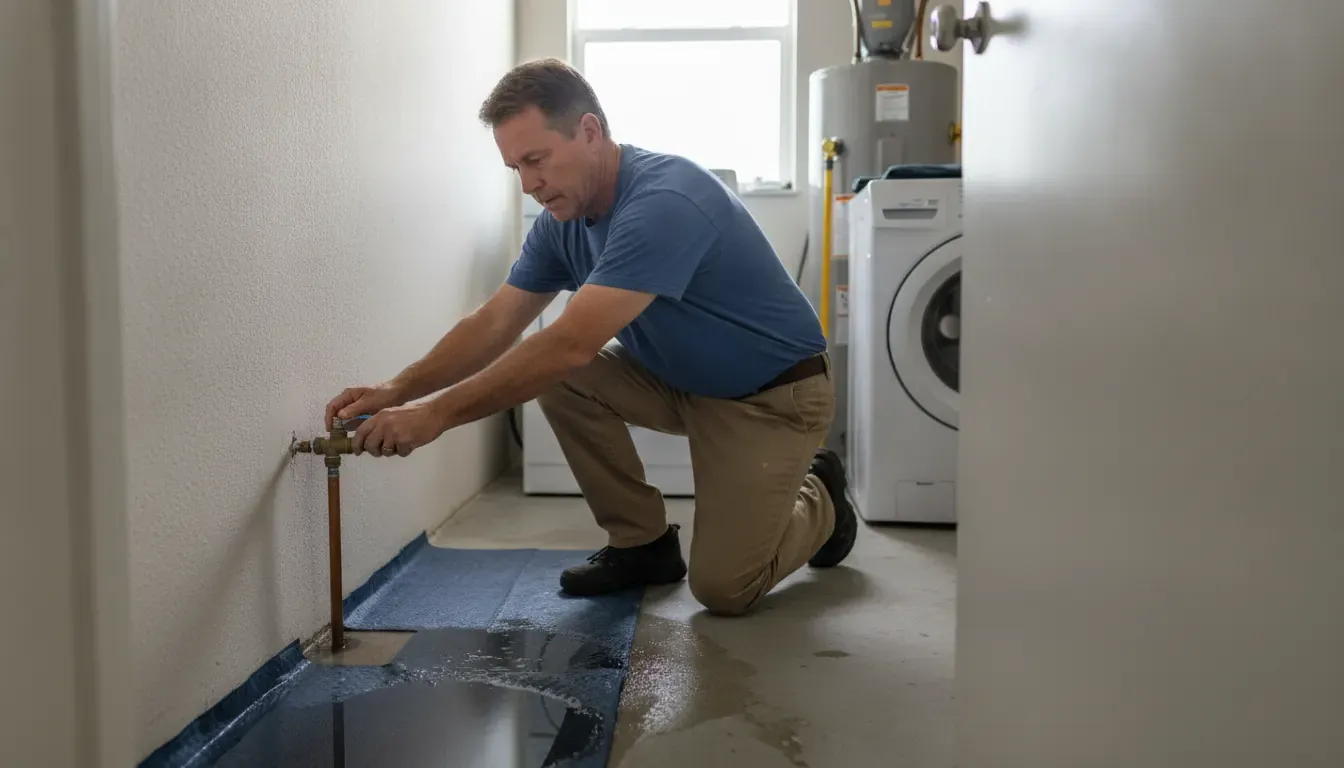
How much damage can a burst pipe cause?
A burst pipe can damage more than the area where water is visible. Water may travel beneath flooring, into wall cavities, through ceilings, and into insulation or cabinets. The final impact depends on the amount of water, the materials involved, how long they remain wet, and whether the water is clean or contaminated.
| Area affected | What to look for | Why it matters |
|---|---|---|
| Drywall and ceilings | Softness, swelling, staining, bubbling paint, or sagging | Water may remain inside the cavity even after the surface looks better. |
| Flooring and subfloor | Cupping, buckling, lifted seams, damp edges, or odor | Moisture can remain below finished flooring and delay safe repairs. |
| Cabinets and contents | Swollen panels, damp backs, wet boxes, or damaged electronics | Porous materials can hold moisture and may need specialized evaluation. |
| Insulation and wall cavities | Dampness, musty odor, or moisture readings away from the visible leak | Hidden moisture can continue damaging materials after extraction at the surface. |
Do not judge the loss by the size of the pipe or the remaining puddle. Moisture mapping and material readings help show where water traveled. iMold’s structural drying guidance explains why drying must address building materials, not only the visible floor.
Why does mold become a concern after pipe burst water damage?
Mold becomes a concern when wet or damp materials remain moist long enough for growth to begin. The U.S. Environmental Protection Agency recommends drying wet materials within 24 to 48 hours when possible, while noting that this is a guideline rather than a guarantee. The key prevention step is moisture control, not simply covering a stain.
Drying time can vary by material and location. Carpet padding, drywall, wood, insulation, and subflooring may hold moisture below the surface. Air movement and dehumidification can help after the water source and sanitation risk have been evaluated, but fans should not be used before determining that the water is clean. For EPA guidance, review mold, moisture, and home cleanup recommendations and its clean-water damage response table.
If materials have been wet for more than a day, the source is uncertain, or a wall, ceiling, or floor assembly is affected, request an assessment. A restoration professional can use moisture meters, thermal imaging, extraction equipment, air movers, and dehumidification to identify what needs attention. That evidence is more useful than guessing based on surface appearance.
When is DIY cleanup reasonable, and when should you call a professional?
DIY cleanup may be reasonable for a small amount of clean water on a nonporous surface when the source is fully stopped, there is no electrical danger, and no wall, ceiling, insulation, or subfloor has been affected. Even then, monitor the area for dampness and odor rather than assuming it is dry.
Professional water damage restoration is the safer choice when:
- Water is still flowing or the source is behind a wall, under flooring, or above a ceiling.
- More than one room is affected, or water has reached cabinets, insulation, or HVAC components.
- Standing water is near electricity or the electrical panel.
- The water may contain sewage, chemicals, or other contaminants.
- Drywall, flooring, subflooring, or structural materials are swollen or soft.
- The property has been wet overnight or the moisture source is uncertain.
- You need documentation for an insurance claim or a reconstruction scope.
Do not mix cleaning chemicals, cut into walls without understanding what is behind them, or run equipment that could spread contaminated water. If sewage or other contaminants may be present, keep people and pets away and wait for guidance on appropriate protective equipment and containment.
Need immediate help? See iMold’s 24/7 emergency response for Southwest Florida properties.
How does iMold handle a burst-pipe emergency in Southwest Florida?
iMold Cleaning and Restoration coordinates the response from initial assessment through drying, remediation when needed, and reconstruction. The team serves Fort Myers, Cape Coral, Naples, Bonita Springs, and communities throughout the broader Southwest Florida service area. iMold has operated locally for 28 years and provides 24/7 emergency service. Its Southwest Florida water damage restoration guide provides broader context on the complete recovery process.
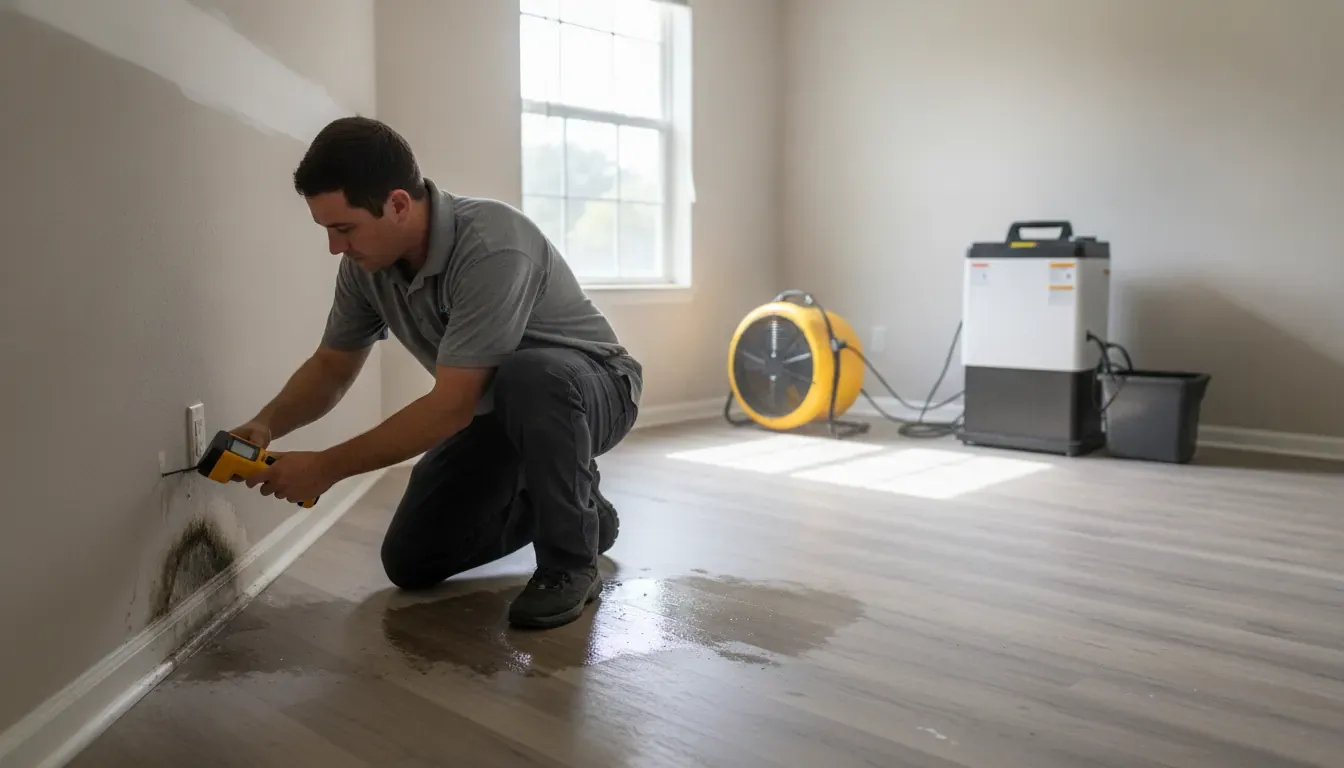
The response begins with an assessment of the source, affected materials, safety conditions, and visible and hidden moisture. Technicians use moisture meters and thermal imaging where appropriate, document the loss, extract standing water, and establish a drying plan. Equipment may include commercial air movers and dehumidifiers selected for the affected materials and conditions.
When the space is dry and safe for the next phase, iMold can coordinate cleaning, mold remediation when indicated, and rebuild work such as drywall or flooring restoration. This full-spectrum approach helps reduce the gap between emergency mitigation and the final repair.
What should Florida homeowners know about insurance after a pipe burst?
Coverage depends on the policy, the cause of the loss, exclusions, and the facts documented during the claim. Do not assume that every pipe failure or every resulting repair is covered. Notify your insurer promptly, follow its instructions, and keep a record of the claim number and communications.
Good documentation helps establish what happened and what changed. Keep the photos and video from the initial condition, receipts, plumber information, restoration records, moisture documentation, and an inventory of damaged belongings. iMold can help document restoration work and coordinate with insurance carriers using industry-standard estimating practices. Review the company’s insurance claims support information for more context.
Do not delay emergency mitigation while waiting for an adjuster if delay could worsen the loss. Ask your carrier how it wants emergency work documented, and keep damaged materials or samples when safe and appropriate. A restoration estimate is not the same as a coverage decision, so coverage questions should be directed to your insurer or qualified insurance adviser.
Schedule prompt water damage restoration with iMold before hidden moisture spreads.
Frequently Asked Questions
Can a burst pipe cause mold?
Yes, a burst pipe can create mold risk when water remains in drywall, flooring, insulation, cabinets, or other materials. The EPA recommends drying wet materials within 24 to 48 hours when possible, but the timeframe is only a guideline. Moisture must be found and controlled, including in areas that are not visibly wet.
Should I turn off the electricity after a pipe bursts?
Keep away from water near outlets, appliances, wiring, fixtures, or electrical panels. If you can reach the affected breaker from a dry location, turn off the circuit. If the panel or path to it is wet, do not enter the area. Contact the utility company or an electrician for safe assistance.
Should I call a plumber or a water damage restoration company first?
Call for source control and restoration as soon as the situation is safe. A plumber repairs the failed pipe, while a restoration professional evaluates moisture, extracts water, and starts drying. When the leak is active, both responses may be needed, and neither should be delayed by trying to complete a full cleanup alone.
How do I know if water reached behind a wall?
Staining, swelling, soft drywall, peeling paint, damp baseboards, musty odor, and moisture readings away from the visible leak can indicate hidden water. Water can also move through ceilings, flooring, and wall cavities. A professional assessment with moisture meters and thermal imaging can help locate affected areas before repair decisions are made.
Does iMold respond to pipe burst water damage in Florida?
iMold Cleaning and Restoration provides 24/7 emergency water damage response in Southwest Florida, including Fort Myers, Cape Coral, Naples, Bonita Springs, and nearby communities. The company offers a 30-minute response promise within its immediate service zone, subject to the conditions and coverage of that zone. Call to confirm the current response area and next steps.
For help with an active loss, contact iMold’s water damage team and explain where the water is located, whether the source is stopped, and whether electricity may be affected.